
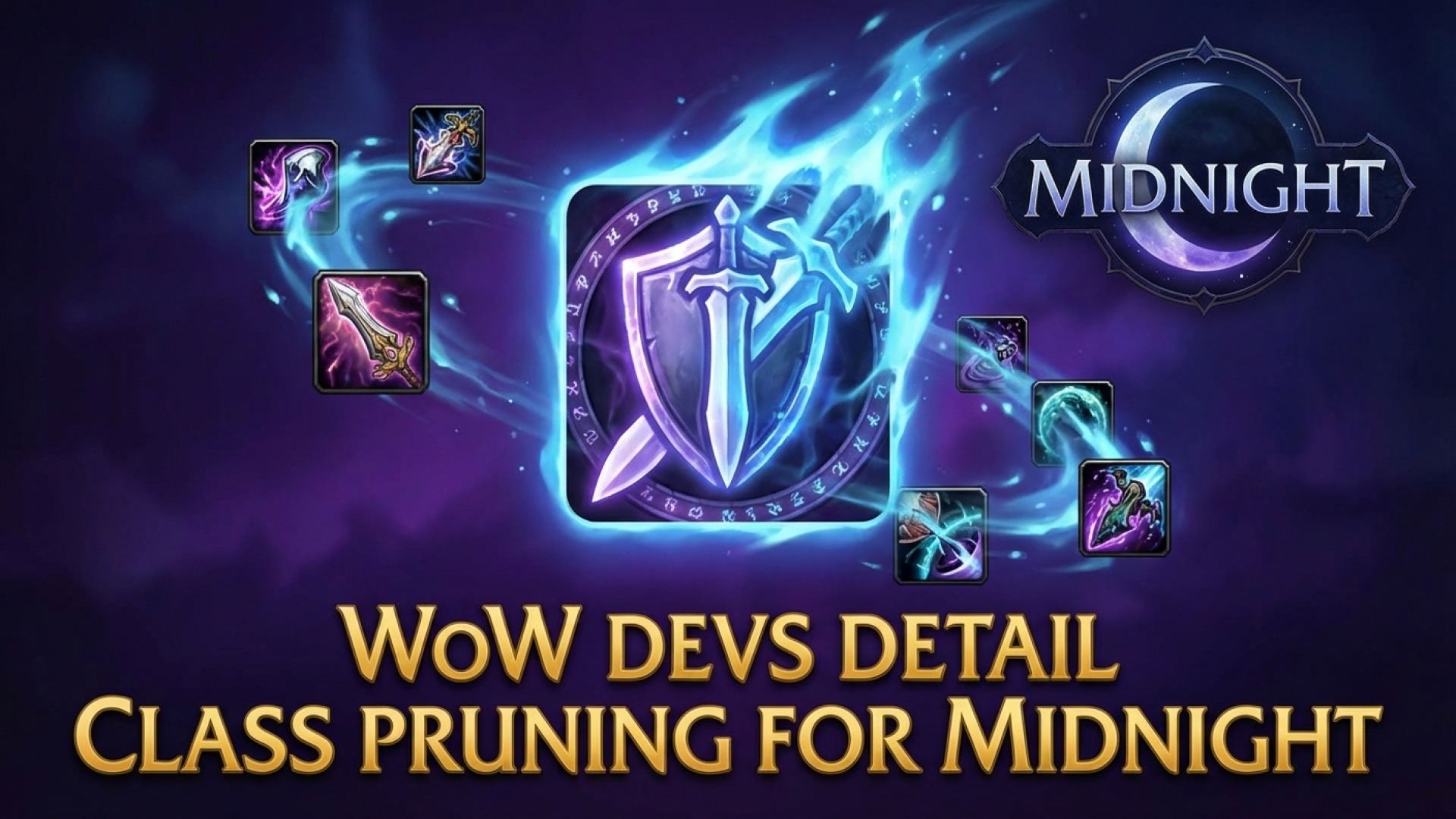
At Digital Tech Explorer, we closely follow how software architecture influences user experience. Recently, World of Warcraft embarked on a massive undertaking: redesigning its numerous character specializations to function natively without relying on heavy UI mods. For years, these third-party addons automated the staggering complexity of class rotations, essentially acting as a digital crutch for players navigating intricate combat systems.

As a long-time Outlaw Rogue, I’ve experienced this dependency firsthand. I previously relied on a specific addon to manage “Roll the Bones.” The decision-making process for that ability involved tracking several separate, randomly generated buffs, each with unique utility. It was a nightmare of a priority system. While computers excel at processing such data, it often disconnected the player from the actual mechanics of the class. I pushed buttons when the addon made a sound, bypassing the need to understand the underlying logic—a classic example of technical complexity overshadowing gameplay engagement.
With the shift toward World of Warcraft: Midnight, Blizzard is “pruning” these complexities. However, the community response has been a digital tug-of-war. While some players appreciate the streamlined interface, others feel that removing major pieces of their toolkit strips away the class identity they’ve spent years mastering.
Decoding Player Passion in Class Design
In a recent discussion regarding 2024 releases and future updates, associate game director Paul Kubit shared insights into this transition. “The only really all-encompassing word to describe player feedback is ‘passionate’,” Kubit explained. “People are very tightly tied to their classes. It’s your window into how you play the game. It’s your avatar… and when things change, there’s always a learning curve.”
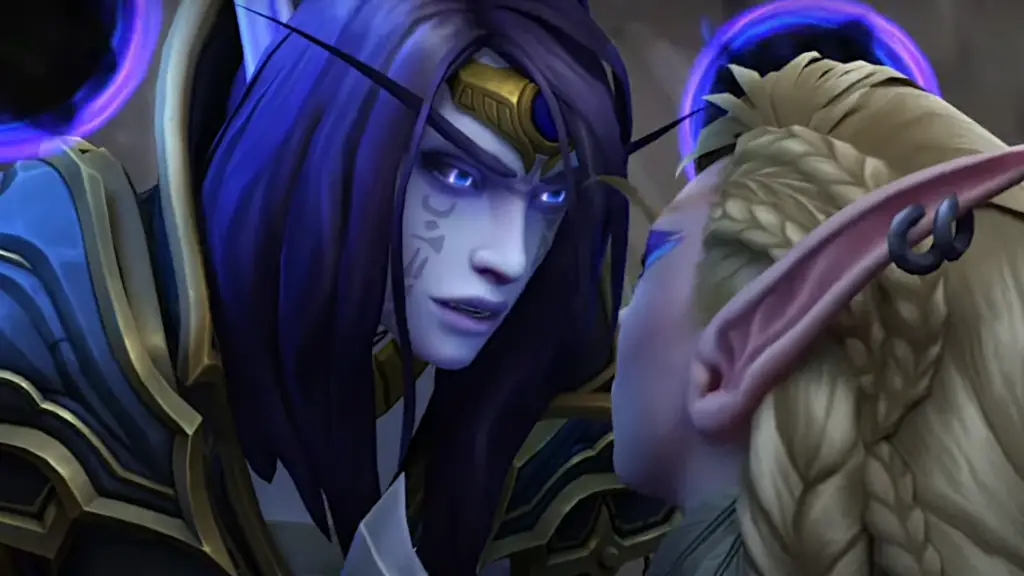
The development team isn’t ignoring the data. Some changes, such as those impacting the Paladin class, have already been reverted based on community outcry. Kubit noted that abilities like Roll the Bones were originally designed with the expectation that high-end competitive players would use computational addons to maximize efficiency. By removing that requirement, Blizzard aims to make the core game more accessible and intuitive.
The Road to Midnight: Apex Talents
The current state of class design is what Kubit describes as a “liminal space.” With players currently in the pre-patch phase, the full technical ecosystem of the expansion isn’t yet live. The real evolution occurs on March 2nd, when the level cap increases to 90 and the Apex Talents system is fully unlocked.
| Feature | Impact on Gameplay | Design Goal |
|---|---|---|
| UI Native Redesign | Reduces reliance on third-party scripts/addons. | Lowering the barrier to entry for new players. |
| Ability Pruning | Streamlines complex priority systems. | Reducing “button bloat” and cognitive load. |
| Apex Talents | Introduces high-impact, class-altering choices. | Reintroducing depth without needing external mods. |
| Feedback Loops | Live tuning based on player performance data. | Maintaining class balance and “class fantasy.” |
“Each Apex Talent is a different beast, but they’re going to change the way those classes play,” Kubit said. This suggests that while some complexity is being “shaved away,” Blizzard intends to replace it with more meaningful, developer-curated depth rather than addon-driven chaos.
“That’s sort of where the other shoe drops for class design changes… we haven’t completely unlocked all the systems of the next one yet.”
— Paul Kubit, Associate Game Director
For tech enthusiasts and gaming professionals, this shift represents a broader trend in software development: moving from “mod-required” environments to robust, “out-of-the-box” functionality. While the fear of homogenization—where every class feels the same—is real, Blizzard’s willingness to iterate based on user feedback is a promising sign for the future of Azeroth.
As we approach the launch of Midnight, the balance between simplicity and depth remains the ultimate quest. At Digital Tech Explorer, we’ll be watching closely to see if these Apex Talents can truly restore the unique “spark” of each class without sending us back to the world of endless UI scripts.