
In the intricate world of RPG design, crafting systems often serve as a double-edged sword. While titles like Kingdom Come: Deliverance 2 have mastered the tactile art of alchemy and blacksmithing, many other entries treat these mechanics as mere busywork. At Digital Tech Explorer, we’ve tracked how these software systems impact player retention, and Avowed provides a fascinating case study in how a mandatory progression loop can inadvertently stifle exploration.
Decoding the Friction: Why Players Bounced at Launch
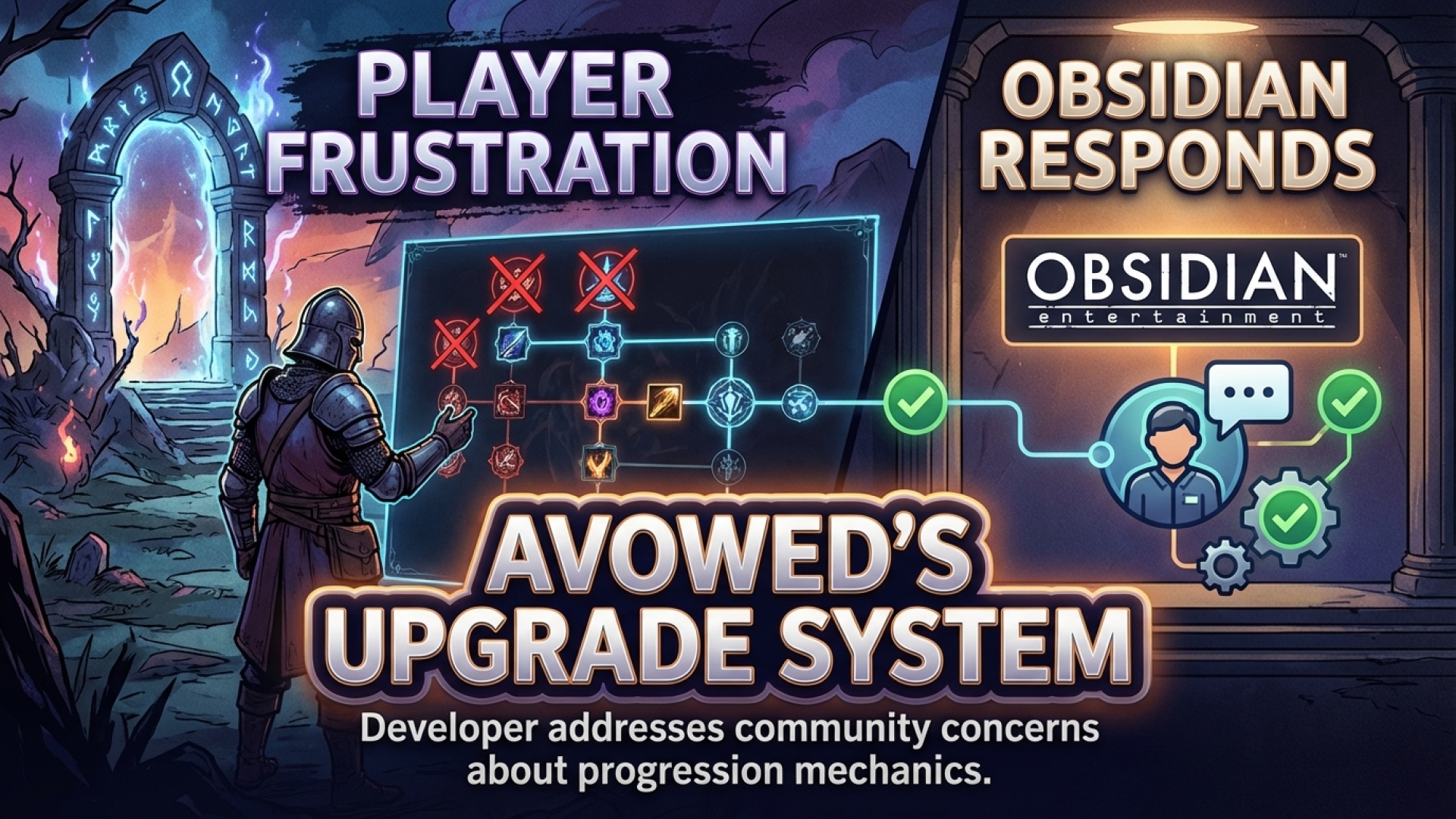
As a storyteller in the tech space, I’ve seen many developers struggle to balance freedom with friction. Obsidian’s gameplay director, Gabe Paramo, recently admitted that the team was “surprised by how many people consistently bounced off the upgrading experience.” The original intent was to create a rhythmic “tight gameplay loop”—adventurers would clear content, upgrade their gear, and unlock higher-tier zones.
However, the software’s open-area architecture invited curiosity that the math couldn’t support. Players found themselves exploring beautiful vistas only to be halted by artificial gear checks. The upgrade system simply wasn’t keeping pace with the player’s desire to discover, creating a technical bottleneck that Paramo noted was “impossible to ignore.”
The Anniversary Update: A Software Evolution
Addressing these hurdles, the Anniversary Update serves as a comprehensive refactoring of the game’s core economy. Beyond the “flashy” additions like playable Dwarves and Orlans, Obsidian focused on the underlying progression mathematics. The community’s consensus was that the economy felt restrictive, with steep vendor prices and a scarcity of crafting materials that made PC gaming enthusiasts feel more like accountants than heroes.
In this 2.0 iteration, the “friction has been smoothed out significantly.” The progression curve has shifted from a steep staircase to a more natural, gradual incline, allowing for a more fluid experience that aligns with our mission here at Digital Tech Explorer: making technology and gaming more accessible.
Comparison: Launch vs. Anniversary Update
| Feature | Launch Status | Anniversary Update (2.0) |
|---|---|---|
| Economy | Restrictive/Tight | Flexible/Generous |
| Upgrade Costs | High Resource Demand | Reduced/Modifiable |
| Crafting Access | Main Camp Only | World-wide Workbenches |
| Difficulty | Static World Settings | Custom Modifiers Added |
| Gear Variety | Standard RPG Sets | New Weapon Types (Quarterstaffs) |
Technical Refinement and Quality of Life
The most significant technical shift comes via the new custom difficulty modifiers. These allow players to tinker with the game’s internal variables, such as merchant prices and material costs. By decentralizing workbenches—now “dotted around the world”—Obsidian has removed the tedious need to fast-travel back to a main hub, a design choice that respects the player’s time and keeps the immersion intact.

For those who enjoy diving into the “code” behind the changes, the full 2.0 patch notes provide a granular look at the balance adjustments. Whether you are a seasoned developer or a casual fan of PC games, these updates signify a developer that listens to data and narrative feedback alike.
Final Verdict: Is Avowed Ready for a Re-Install?
With the Anniversary Update, Obsidian hasn’t just added content; they’ve repaired the mechanical foundation of the game. By transforming the mandatory upgrade grind into a customizable journey, Avowed now delivers on the promise of its open-world design. For a more detailed look at the author’s take on digital innovation, visit my author page.
Stay tuned to Digital Tech Explorer for more updates on AI-driven gaming and software reviews.