
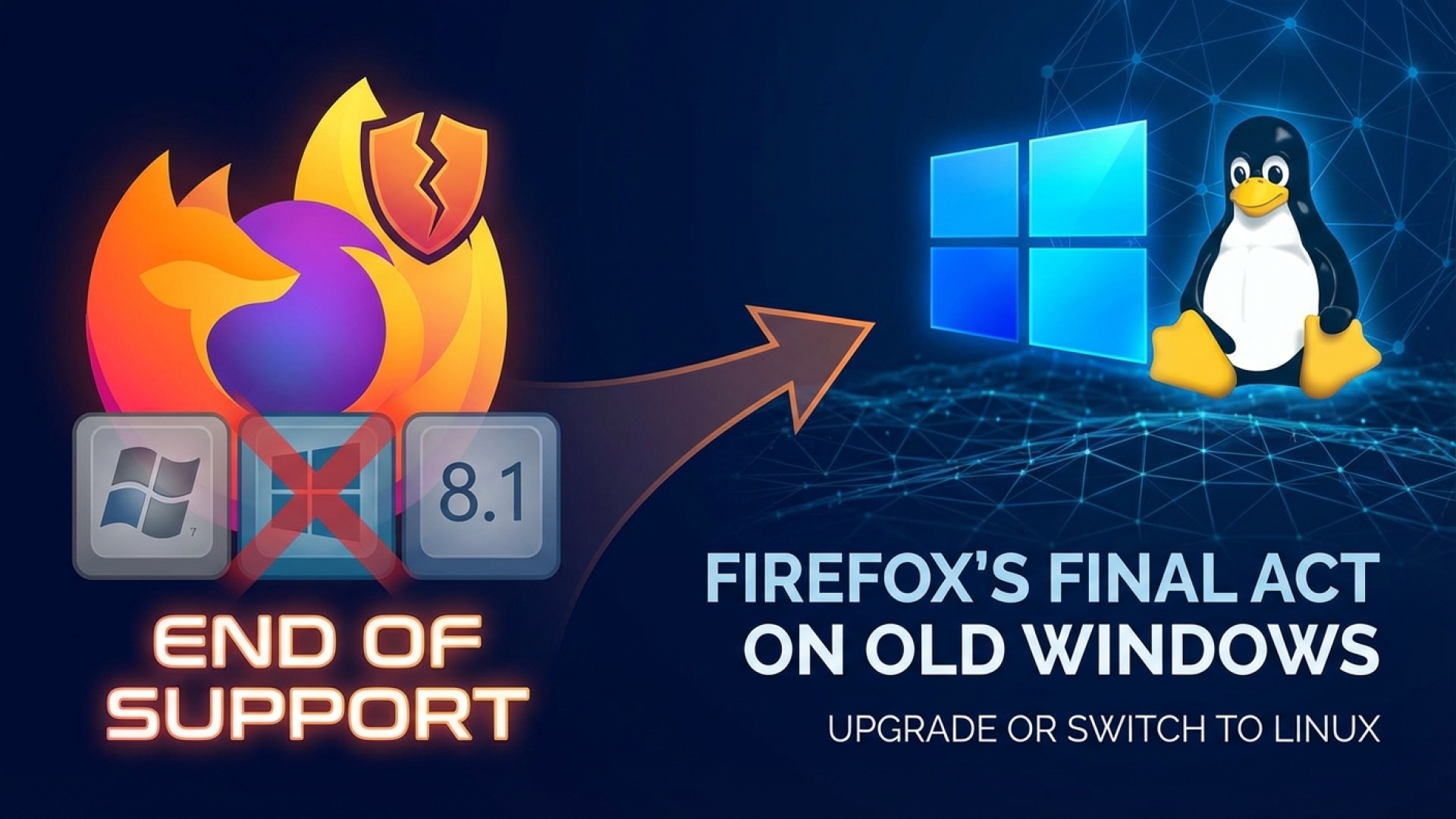
At Digital Tech Explorer, we’ve tracked the evolution of web browsing for decades. For many long-term users, Mozilla Firefox has been a reliable companion, often outlasting competitors in its support for legacy systems. However, a significant chapter is closing. If you are still running Windows 7, Windows 8, or Windows 8.1, your browsing experience is about to undergo a critical shift. According to recent updates from Mozilla, Firefox version 115 is the final supported release for these aging operating systems.
While the official phase-out began in early 2023, the Extended Support Release (ESR) program provided a necessary safety net. This lifeline allowed users to continue receiving vital security patches without upgrading their entire OS. As TechTalesLeo, I’ve seen many “end-of-life” cycles, but this one is particularly impactful given Firefox’s history of longevity. This temporary reprieve is scheduled to conclude by the end of February, leaving users on these versions without essential security updates.
The Security Reality: Why Upgrading Matters
Continuing to browse the web on an unsupported platform is a gamble with your digital security. Without regular patches, your system becomes a target for modern cyberattacks that exploit unpatched software vulnerabilities. This move by Mozilla follows the lead of industry giants like Google Chrome and Microsoft Edge, both of which have already moved on from these legacy platforms.
To help you visualize the current landscape of browser support across different Windows versions, we’ve compiled the following reference table:
| Operating System | Firefox Support Status | Recommended Action |
|---|---|---|
| Windows 7 / 8 / 8.1 | Ending Feb 2024 (v115 ESR) | Upgrade OS or Switch to Linux |
| Windows 10 | Fully Supported | Maintain Regular Updates |
| Windows 11 | Fully Supported | Optimized for Modern Hardware |
Windows 7 arrived in 2009, and its longevity has been impressive. Firefox, in particular, has a storied history of supporting users long after others have departed. For context, Mozilla only ended support for Windows XP and Vista in 2023—nearly two decades after the release of Firefox 1.0. This dedication to accessibility is a hallmark of the browser, but even the most robust support must eventually evolve to meet modern security standards.
Looking Ahead: Your Migration Options
If you are currently using Windows 10, you can breathe a sigh of relief. Firefox will continue to support this OS for the foreseeable future, even as Windows 10 itself approaches its projected end-of-life. For those still on the older 7 or 8 iterations, your primary path forward is to upgrade to Windows 11. However, be mindful that Windows 11 requires specific hardware specifications, such as TPM 2.0, which older machines may lack.
The Linux Alternative
For tech enthusiasts who aren’t ready to purchase new hardware, there is a powerful alternative: switching to a Linux-based operating system. Most Linux distributions are lightweight, highly secure, and come with Firefox pre-installed as the default browser. This allows you to keep your existing hardware while gaining a modern, secure environment for your web activity. At Digital Tech Explorer, we believe in empowering users with choices that bridge the gap between complex tech and everyday usability. Whether you choose to upgrade your OS or migrate to Linux, the goal remains the same: staying safe in an ever-changing digital world.