
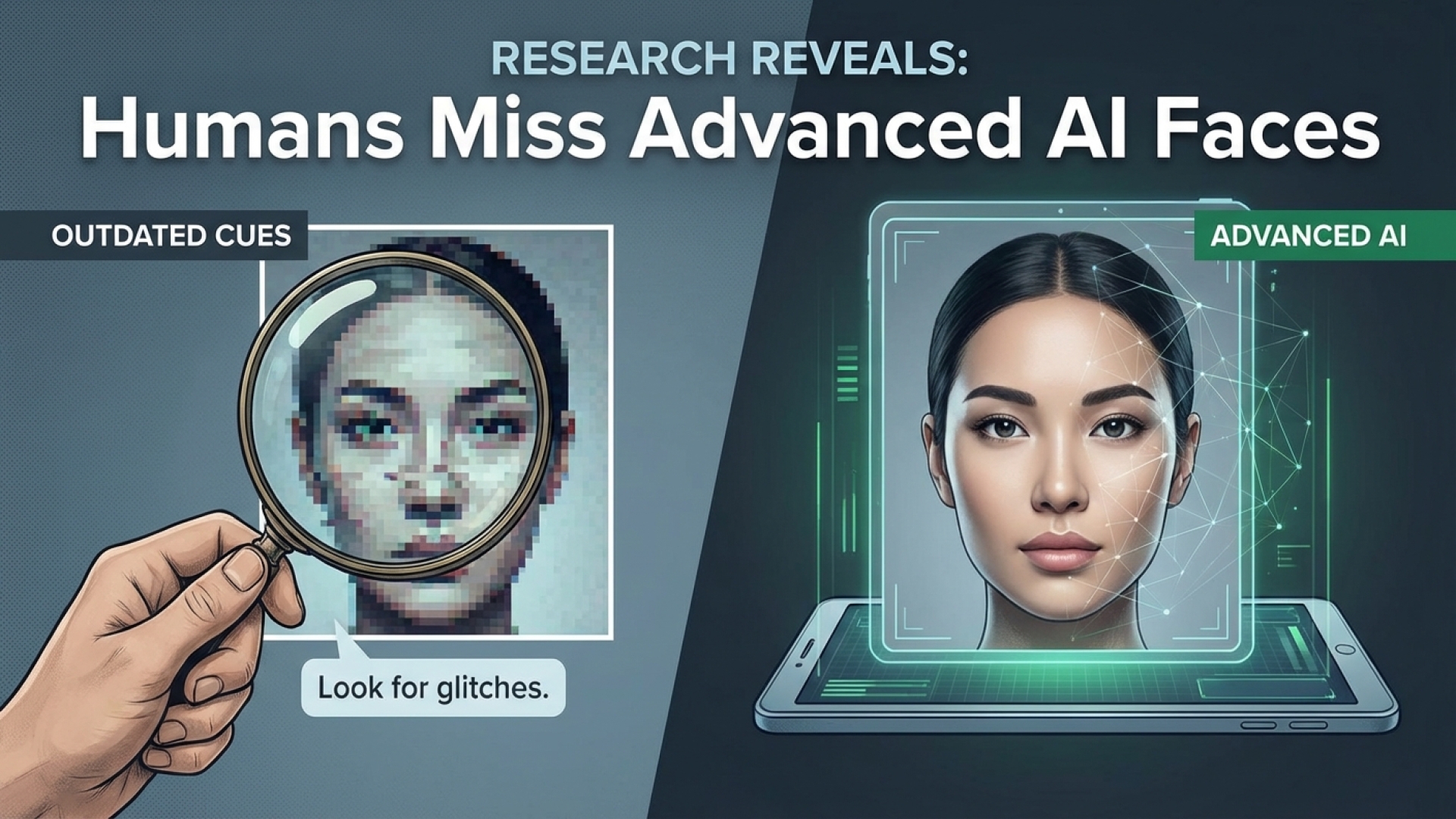
I like to think I’ve developed a keen eye for spotting the tell-tale signs of AI-generated images. We’ve all been trained to look for those classic red flags: the weirdly soft lighting, backgrounds that blur into a digital soup, or fingers that seem to multiply like a glitch in the Matrix. However, every time I take a “real or fake” test, I am immediately and thoroughly humbled. It turns out that as machine learning advances, our human intuition is struggling to keep pace.

The UNSW Sydney AI Face Test: A Reality Check
The latest challenge to go viral comes from the research team at UNSW Sydney. Their demo presents users with 20 faces, tasking them to categorize each as either “Human” or “Computer-generated (AI).” While I managed to score 14/20—landing me above the average of 11/20—that’s hardly a victory. When you consider that a score of 10/20 is essentially what you’d get by flipping a coin, the “human advantage” starts to look incredibly thin.
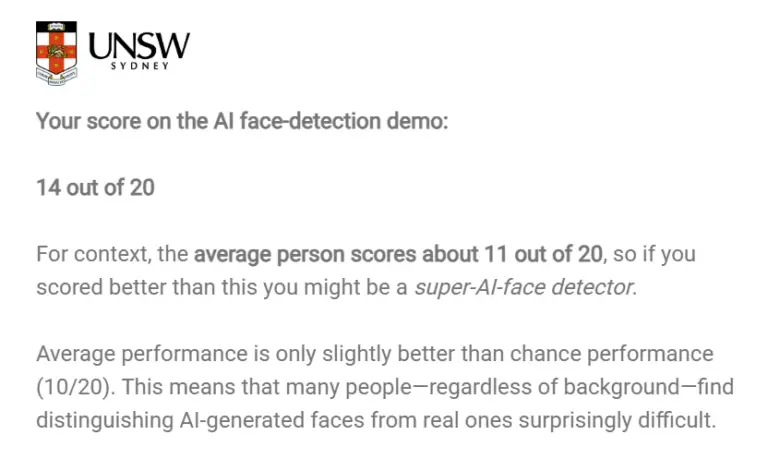
The study, recently published in the British Journal of Psychology, analyzed 125 participants. Among them were “super-recognizers”—individuals who possess an extraordinary ability to remember and distinguish between similar faces. While these individuals did perform better than the general public, the gap wasn’t as wide as you might expect. This suggests that even the best human observers are finding it difficult to keep up with modern AI acceleration.
The “Hyper-Average” Trap
What makes these faces so convincing? The research team noted that high-performing participants were sensitive to the “hyper-average” appearance of AI faces. Because generative AI models are essentially probability engines, they tend to output what is statistically most likely. This results in faces that look “too perfect” or “perfectly average,” lacking the unique asymmetries and skin imperfections that make us human.
Comparing the Data: Human vs. AI Detection
To put these findings into perspective, here is how humans have performed across recent major studies on AI image detection:
| Study Source | Detection Accuracy (%) | Key Finding |
|---|---|---|
| UNSW Sydney (Average) | 55% | Only slightly better than random chance. |
| UNSW (Super-Recognizers) | ~65% | Exceptional facial memory helps, but not by much. |
| Microsoft Research Study | 62% | Broad range of images (not just faces) are equally deceptive. |
Why Your Old “Tricks” No Longer Work
If you are still looking for distorted teeth, asymmetrical glasses, or hair that bleeds into the background, you are relying on outdated visual cues. The newest iterations of generative models have largely corrected these mechanical errors. As Lead Researcher Dr. James D. Dunn points out, the real danger is our overconfidence. Most participants believe they are much better at spotting fakes than their actual scores reflect.
Digital Tech Explorer’s Guide to Staying Sharp
At Digital Tech Explorer, we believe in using technology to enhance our understanding, not just being passive observers. While the visual quality of AI may eventually become indistinguishable from reality, the context surrounding the image remains a vital tool for verification. When you encounter a suspicious profile or image, look beyond the pixels:
- Account History: Is this a fresh account with no digital footprint?
- Repetitive Patterns: Are they posting the same high-impact image across multiple unrelated threads?
- Reverse Image Search: Does the image appear in different contexts or is it attributed to various “identities”?
- Interaction Style: Does the user send high-pressure links or “copy-paste” responses immediately?
Generative AI will continue to improve, and the “average” look may eventually give way to more complex, unique digital personas. However, by combining our visual intuition with a healthy dose of skepticism and real-world context, we can still navigate this shifting digital landscape. For more deep dives into the world of AI and software innovation, stay tuned to TechTalesLeo right here at Digital Tech Explorer.