
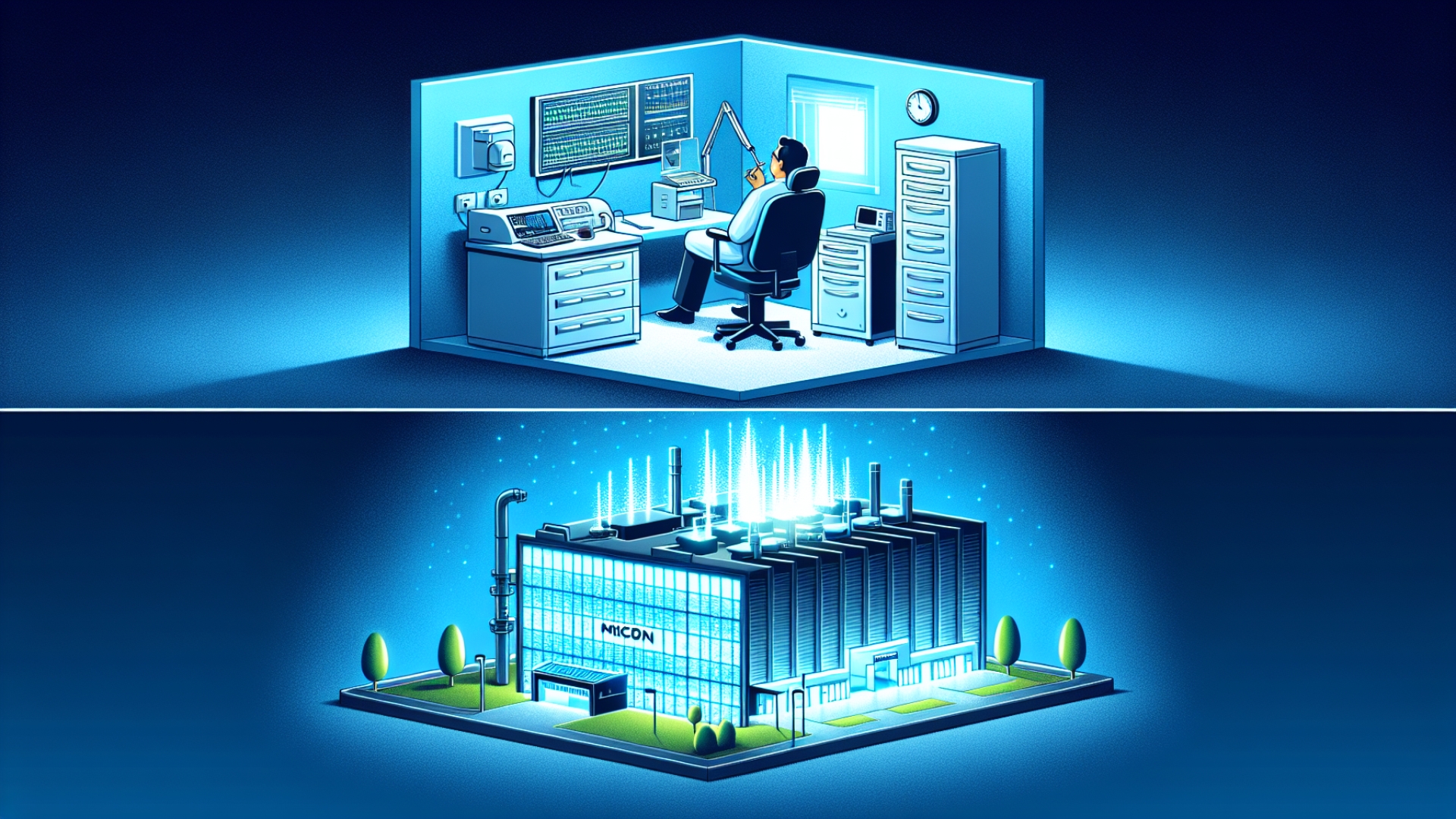
From a Dentist’s Basement to a Global Giant: The Remarkable History of Micron Technology
While tech giants like Samsung, TSMC, and Intel often dominate the headlines, Micron Technology has quietly maintained its position as one of the world’s top 10 semiconductor companies for decades. Here at Digital Tech Explorer, we love a good underdog story that transforms into a cornerstone of modern hardware. Based in Boise, Idaho, this multibillion-dollar enterprise has a history as unique as its location, involving everything from legal battles to potato magnates.
By TechTalesLeo
The Basement Beginnings
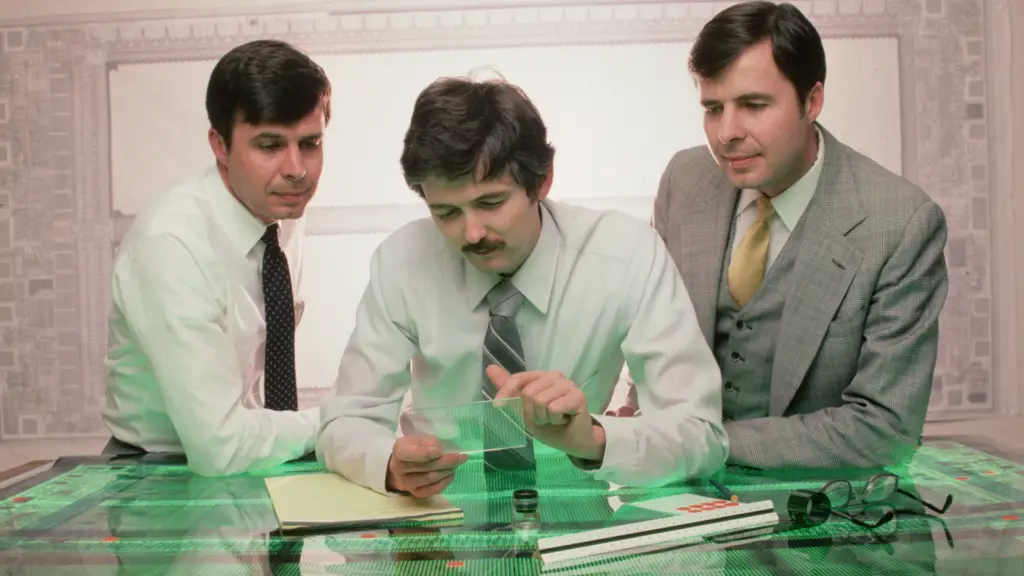
Micron’s story began in 1978 when Dennis Wilson, Doug Pitman, and twin brothers Joe and Ward Parkinson founded the company in an unlikely location: a basement beneath a dentist’s office. Ward Parkinson, an engineer, had previously worked for a Dallas-based semiconductor firm. When he decided to leave, his former employer fought his departure, leading to a legal battle won with the help of his brother Joe, a lawyer.
Disenchanted with the corporate environment in Dallas, Ward decided to start his own DRAM (Dynamic Random Access Memory) company. Boise became the company’s home largely because Doug Pitman was eager to move closer to his Idaho roots. After securing the basement space, the founders committed to building their future in the Gem State.
The Potato Connection
Starting a memory chip company in the late 1970s was a massive risk. Japanese manufacturers were flooding the market with high-quality, low-cost chips, putting American firms on the defensive. Micron’s first major contract to design a 64K DRAM chip evaporated when Fujitsu beat them to the punch.
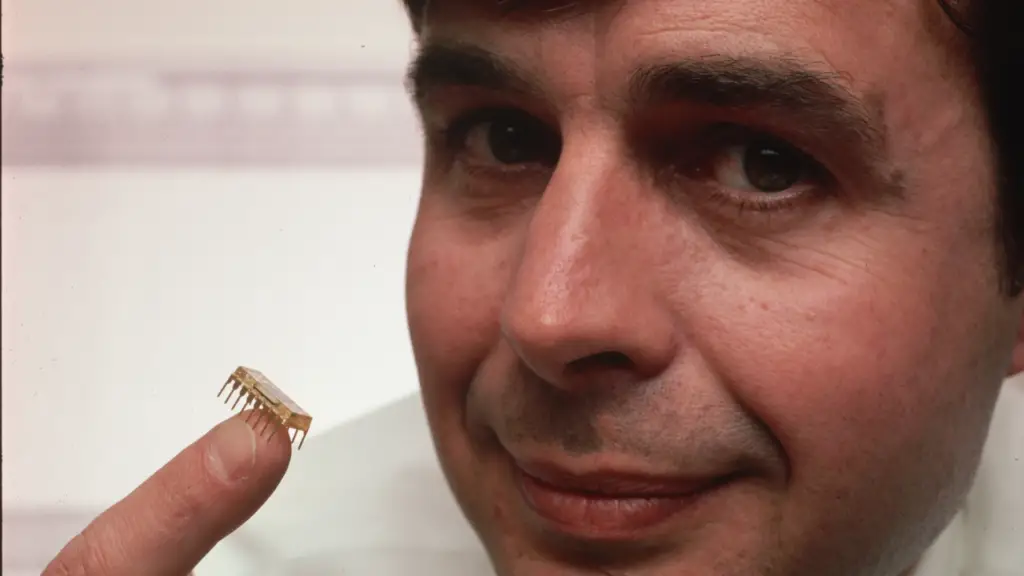
The company was saved by a $1 million investment from local businessman J.R. Simplot, known as the “Potato King” for his success in supplying freeze-dried french fries to McDonald’s. Simplot’s shift from potato chips to silicon chips provided the capital Micron needed to survive the mid-80s. By the time Micron went public in 1984, it was clear that Simplot’s gamble on high-tech hardware had paid off.
Trade Wars and Global Shortages
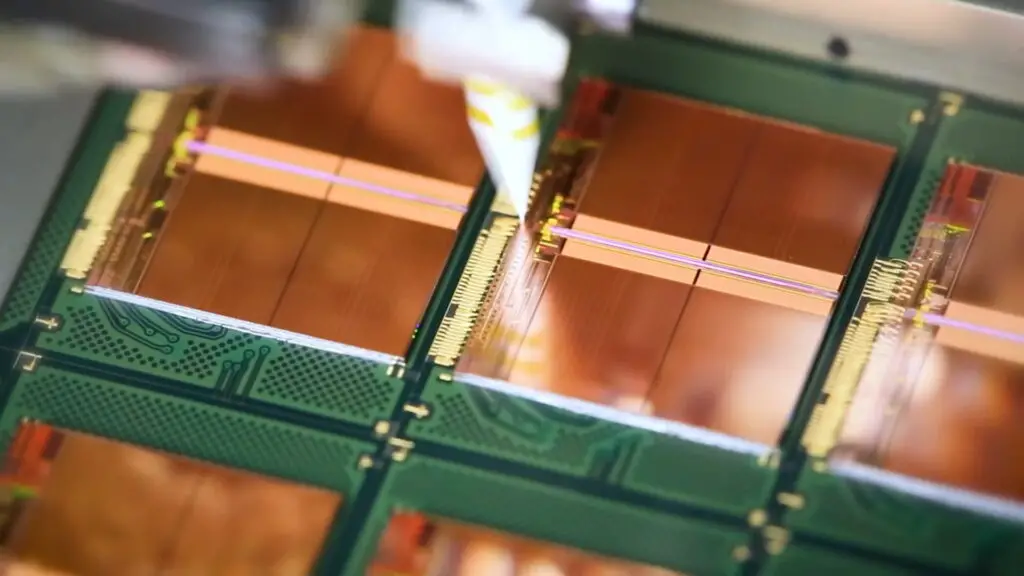
The late 1980s were defined by intense competition. Micron and other U.S. chipmakers successfully lobbied the government for tariffs on imported memory chips, leading to a 1986 accord that forced Japanese manufacturers to raise prices. Ironically, this led to a global DRAM shortage by 1988.
Micron thrived during this shortage. Intel, which had exited the DRAM market in 1985, actually invested in Micron to ensure a steady supply of chips for its own products. This era marked Micron’s transition from a struggling startup to a dominant industry player, even as computer manufacturers like Atari accused the company of predatory pricing during the supply crunch.
Micron Technology: Key Historical Milestones
| Year | Milestone | Significance |
|---|---|---|
| 1978 | Founding | Established in a dentist’s basement in Boise, Idaho. |
| 1984 | IPO | Micron goes public, backed by “Potato King” J.R. Simplot. |
| 1998 | TI Acquisition | Acquired Texas Instruments’ memory business, expanding global footprint. |
| 2012 | Leadership Change | Mark Durcan becomes CEO following the passing of Steve Appleton. |
| 2022 | CHIPS Act Pledge | Committed $40 billion to U.S. manufacturing. |
Expansion and Leadership
In 1994, Steve Appleton, who started at Micron as production staff, was named CEO. His tenure saw massive growth, including the 1998 acquisition of Texas Instruments’ memory business. However, the semiconductor industry is famously cyclical. Micron weathered multiple boom-and-bust cycles, leading to significant layoffs during the 2001 dot-com bust and the 2008 financial crisis.
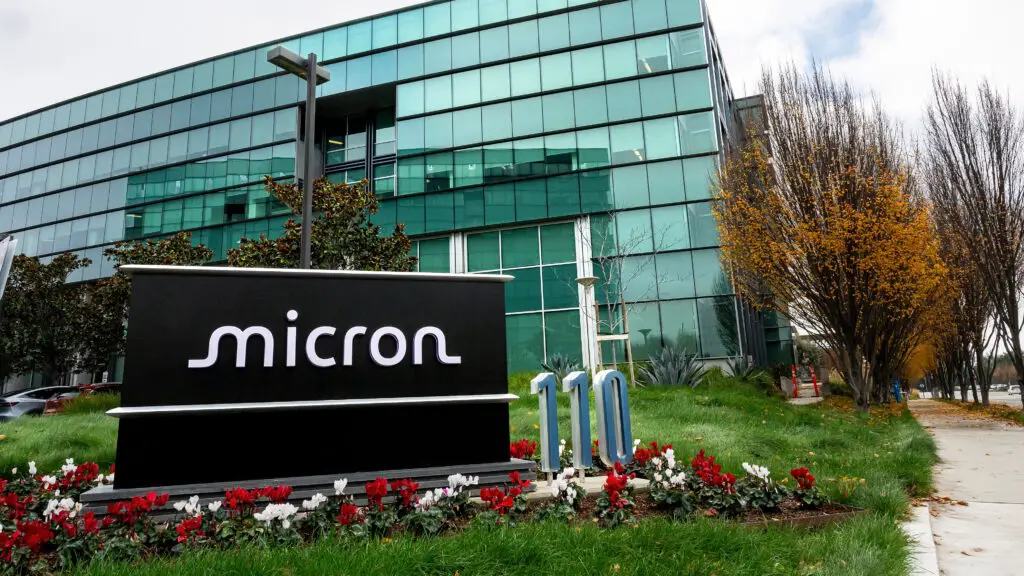
Following Appleton’s tragic death in 2012, Mark Durcan took the helm, overseeing the acquisition of Japan’s Elpida Memory. In 2017, Sanjay Mehrotra, a co-founder of SanDisk, became CEO, steering the company toward the burgeoning AI and data center markets.
The Future: AI and the CHIPS Act
Today, Micron is at the forefront of the AI acceleration revolution. The company has developed high-performance memory solutions like GDDR6X (in collaboration with Nvidia) which powers the latest GPU technology, and high-capacity 3D NAND flash memory.
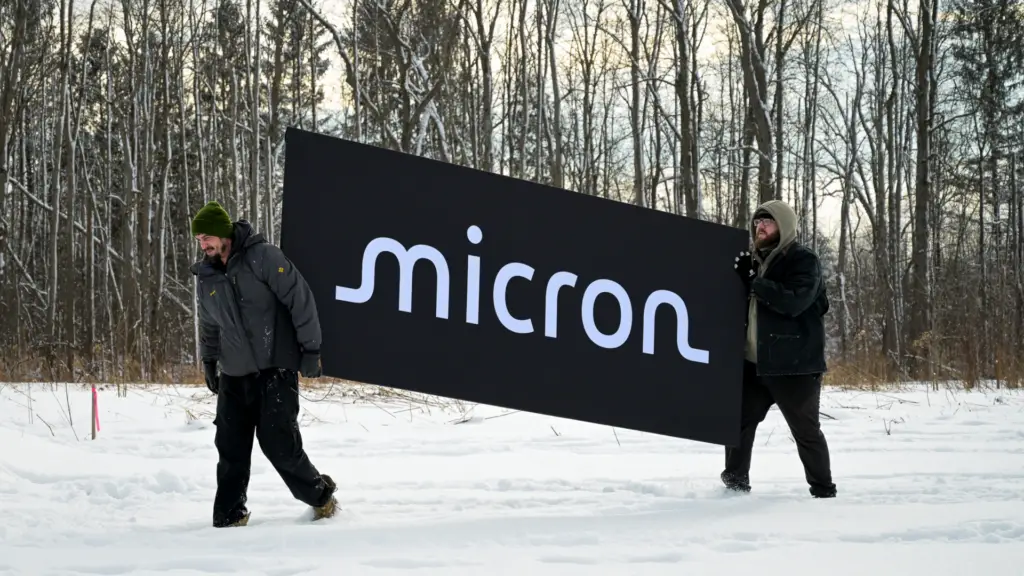
Supported by the 2022 CHIPS and Science Act, Micron has pledged to invest $40 billion in U.S.-based manufacturing through 2024 and beyond. This includes a massive new “mega-fab” project in Clay, New York, and new facilities in Idaho. As the world faces another memory supply crisis driven by AI demand, Micron’s long-term investments in domestic production are set to define the next chapter of its remarkable history.
About Digital Tech Explorer: Digital Tech Explorer is your trusted source for the latest in technology, software, and coding. We provide in-depth tech news, product reviews, and ratings for both physical and digital products. Our platform aims to make technology both educational and entertaining through transparency and real-world testing.
Disclaimer: All content on Digital Tech Explorer is for informational and entertainment purposes only. We do not provide financial or legal advice. Some of the links on Digital Tech Explorer are affiliate links. This means we may earn a commission if you click through and make a purchase, at no additional cost to you.