
Will Google’s TurboQuant AI Algorithm Finally Crash DDR5 RAM Prices?
At Digital Tech Explorer, we closely monitor how software innovations dictate hardware trends. Recently, Google’s TurboQuant AI algorithm has sent significant ripples through the global memory market. This breakthrough promises to optimize AI model memory usage by as much as 6x, a feat that could fundamentally change how we perceive hardware requirements in the AI and machine learning sectors. Following the announcement, industry giants like Micron and Samsung experienced a notable drop in stock prices. While supply chain constraints for production materials remain a factor, initial reports suggest this shift is finally starting to influence consumer DDR5 RAM prices.
As TechTalesLeo, I’ve watched the memory market’s narrative shift from scarcity to surplus and back again. There are currently claims of plummeting DDR5 costs, but for the average enthusiast building a gaming rig or a workstation, we need to look past the headlines to see if these discounts are truly landing in our carts.
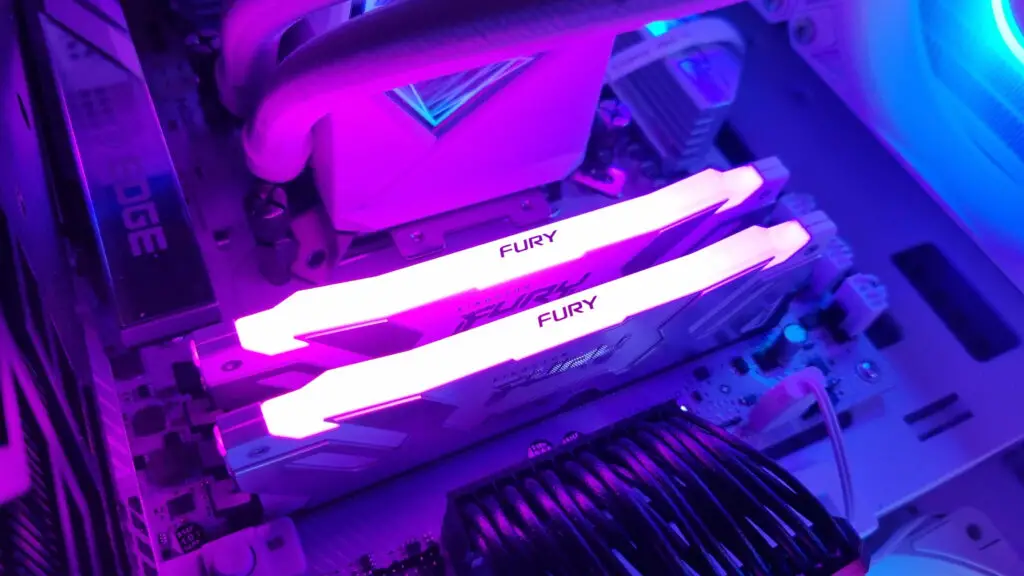
The Corsair Vengeance Rollercoaster: A Case Study
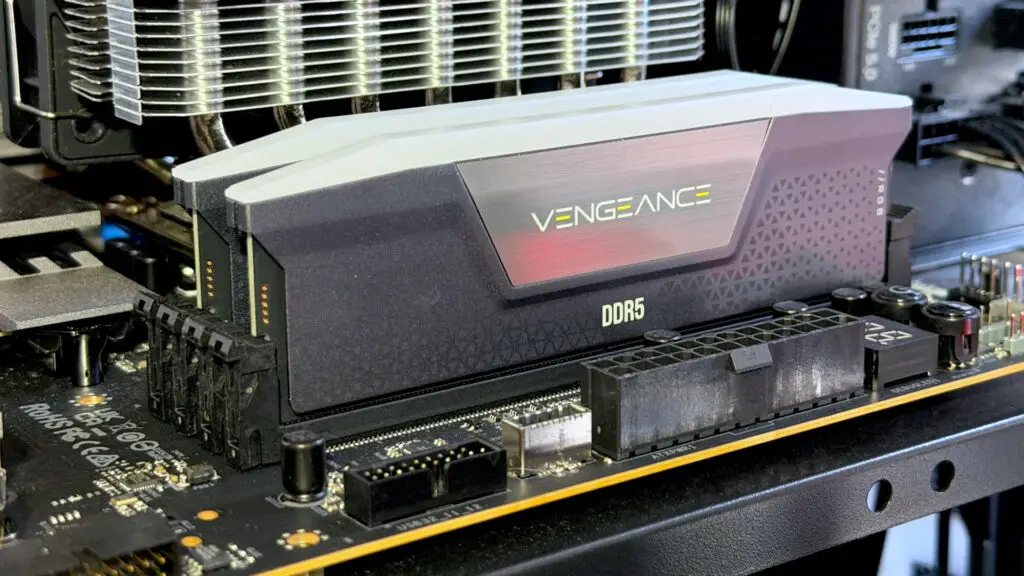
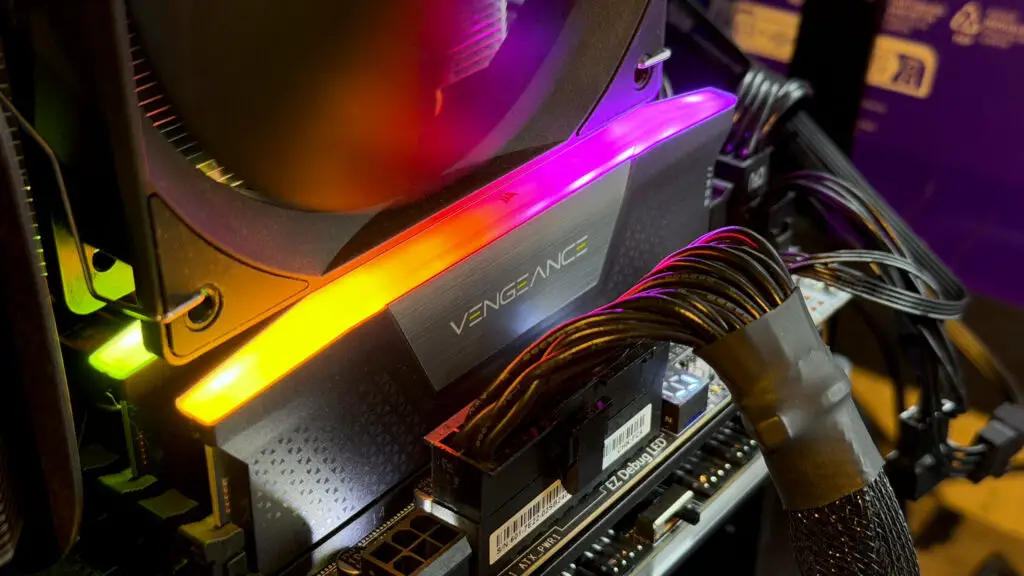
To understand the current volatility of hardware pricing, look no further than the Corsair Vengeance RGB DDR5-6000 32 GB kit. Three years ago, this kit was a relatively affordable $90. By late last year, however, the narrative changed drastically as prices peaked at a staggering $440. In early March, we saw this same performance RAM drop to $370. While a $70 decrease feels like a win, it’s a far cry from the sub-$100 glory days. It serves as a stark reminder that while the “peak” may be behind us, true affordability remains elusive.
Analyzing Market Data and Tracking Limitations
At Digital Tech Explorer, we rely on data-driven research to help our readers. Tools like Camelcamelcamel are essential for uncovering price histories. However, these tools reveal a fragmented market. For instance, the Crucial Pro DDR5-6400 32 GB kit recently dipped to $385 from $420, yet historical data shows it was actually cheaper (around $350) earlier this year before an unannounced spike. This inconsistency makes it difficult for consumers to identify a genuine “market-wide correction” versus temporary retail adjustments.
Retail Reality: High Costs vs. Superficial Discounts
Despite the buzz around “plummeting” prices, a deep dive into major retailers like Newegg and Best Buy tells a different story. Many of the current “sales” are merely shaving a small percentage off an already inflated price tag. Below is a breakdown of the current market reality for popular DDR5 kits:
| RAM Model | “Original” High Price | Current Sale Price | Capacity/Speed |
|---|---|---|---|
| G.Skill Trident Z5 RGB | $550 | $500 | 32GB DDR5-6400 |
| Team Group T-Create Expert | $500 | $440 | 32GB DDR5-6000 |
| Crucial Pro OC | $680 | $630 | 64GB DDR5-6000 |
| Corsair Vengeance RGB | $440 | $370 | 32GB DDR5-6000 |
As you can see, these “discounts” are superficial. Paying $500 for 32GB of RAM is still a massive investment for most builders, especially when compared to historical norms. While TurboQuant might eventually reduce industrial demand for massive memory arrays, that hasn’t fully trickled down to the consumer GPU and RAM markets just yet.
The Verdict: Should You Buy Now?
While small price corrections are beginning to appear, a true market stabilization has not yet materialized. Factors like Google’s algorithmic efficiency and broader market sluggishness are moving the needle, but their long-term impact remains speculative.
At Digital Tech Explorer, our mission is to help you stay ahead of trends and make informed decisions. As it stands, DDR5 memory remains significantly overvalued. For those looking to upgrade their gaming PCs or workstations, TechTalesLeo recommends exercising patience. Hold off on your purchase if possible, as we anticipate more substantial price drops as the impact of AI optimization software further settles into the hardware manufacturing cycle.
Disclaimer: All content on Digital Tech Explorer is for informational and entertainment purposes only. We do not provide financial or legal advice. Some of the links on Digital Tech Explorer are affiliate links; we may earn a commission if you click through and make a purchase, at no additional cost to you.
About the Author: TechTalesLeo is a dynamic storyteller and tech enthusiast dedicated to making complex digital innovations accessible for everyone from novices to seasoned professionals.