
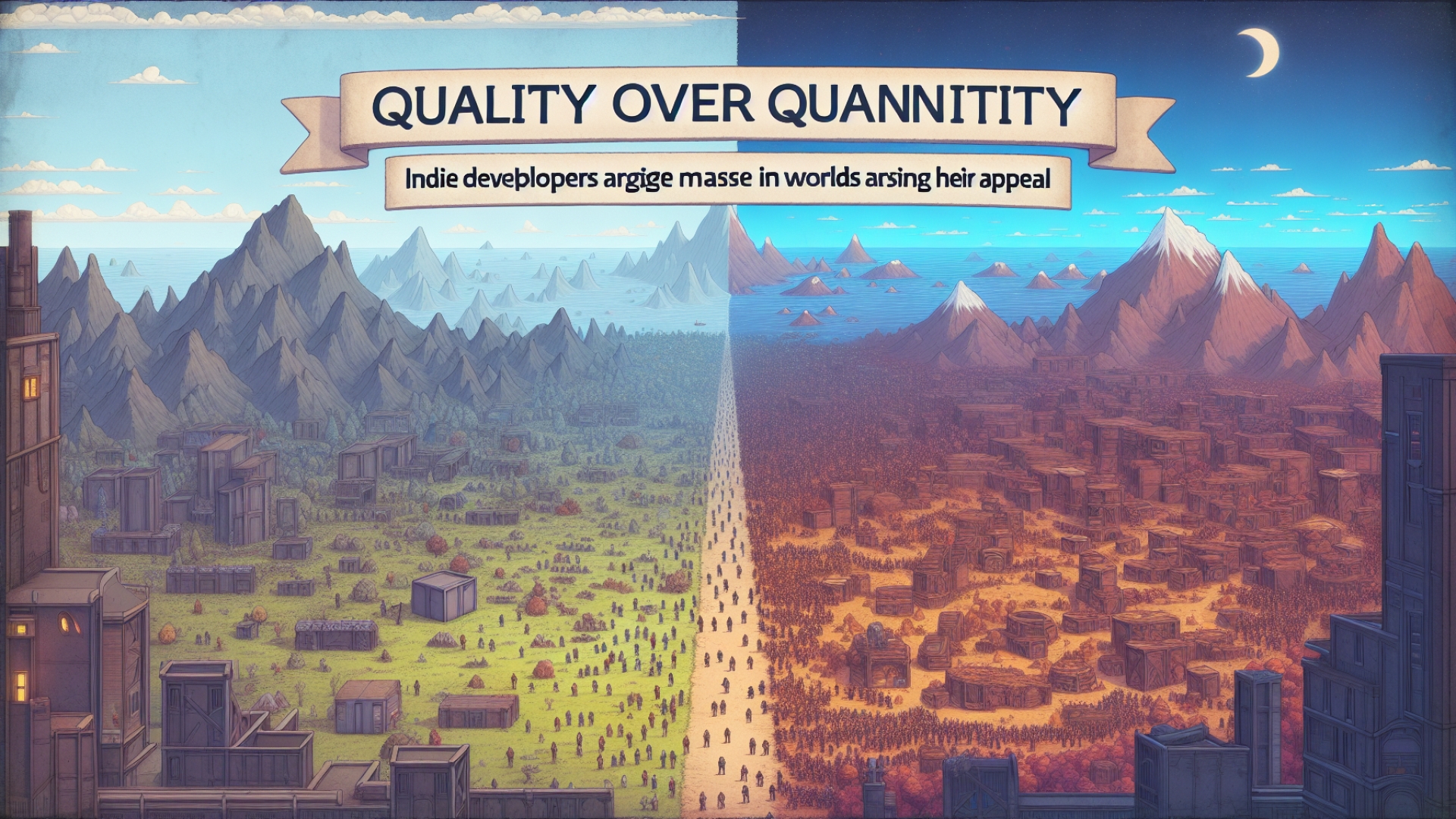
Indie Studio Co-Founders Reveal Why Huge Open Worlds are Losing Their Spark
By TechTalesLeo
In the rapidly evolving landscape of gaming, a palpable exhaustion is settling in among players. This “big game burnout” stems from the industry’s obsession with massive, “forever” open-world experiences. At Digital Tech Explorer, we’ve noticed a significant shift in user behavior: gamers are increasingly seeking focused, shorter titles that deliver a complete narrative without the soul-crushing commitment of a 100-hour quest log.

The Rise of Self-Contained Experiences
Nick Lives, the creative director and co-founder of Night Signal Entertainment, recently shared insights in Edge magazine regarding this shift. He noted that for years, the industry prioritized “infinitely replayable, high-retention loops” designed to keep players tethered to a single ecosystem. However, modern players are pushing back.
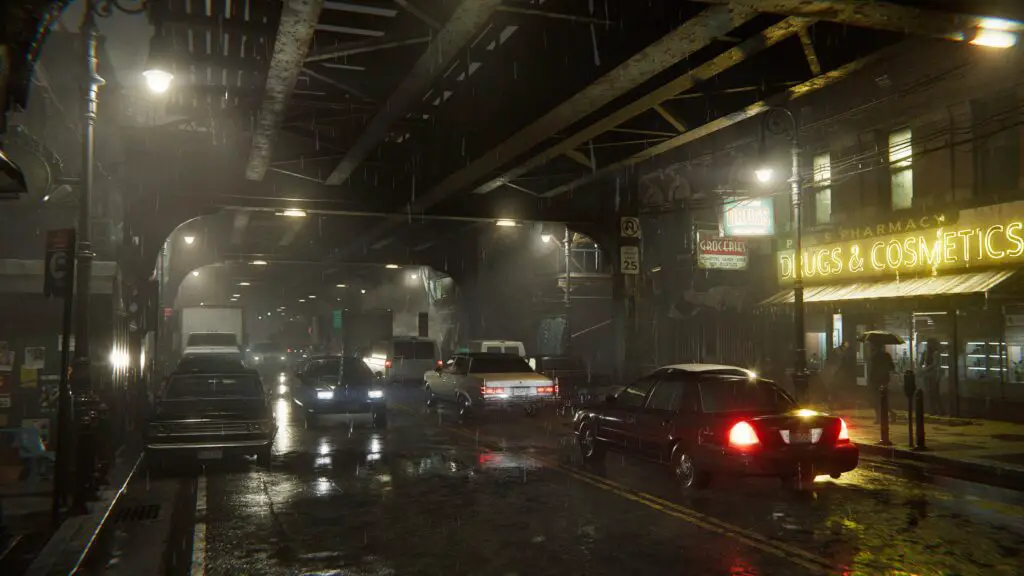
The trend is moving toward “self-contained, satisfying one-off experiences.” These games allow players to reach a definitive conclusion on a high note, avoiding the fatigue that comes with prolonged, aimless engagement. We see this preference reflected in the success of impactful, concise titles like Mouthwashing and Bloodletter, which prioritize atmosphere over acreage.
Quality Over Runtime: A New Standard for 2024
As we analyze 2024 releases, the argument for density over distance is winning. A high-quality 10-hour experience often provides more value than a bloated title filled with repetitive “fetch and carry” padding. For instance, Resident Evil Requiem serves as a masterclass in efficiency, proving that every second counts when the gameplay loop is tight and the narrative is purposeful.
To better understand the differences in player value, consider the following comparison between these two development philosophies:
| Feature | Massive Open Worlds | Focused “One-Off” Titles |
|---|---|---|
| Core Goal | Infinite retention and replayability | Narrative closure and impact |
| Content Density | Spread thin across large maps | Dense, high-quality interactions |
| Player Commitment | 50–100+ Hours | 2–15 Hours |
| Value Metric | Price per hour of playtime | Emotional and artistic satisfaction |
The Economic Reality of Indie Innovation
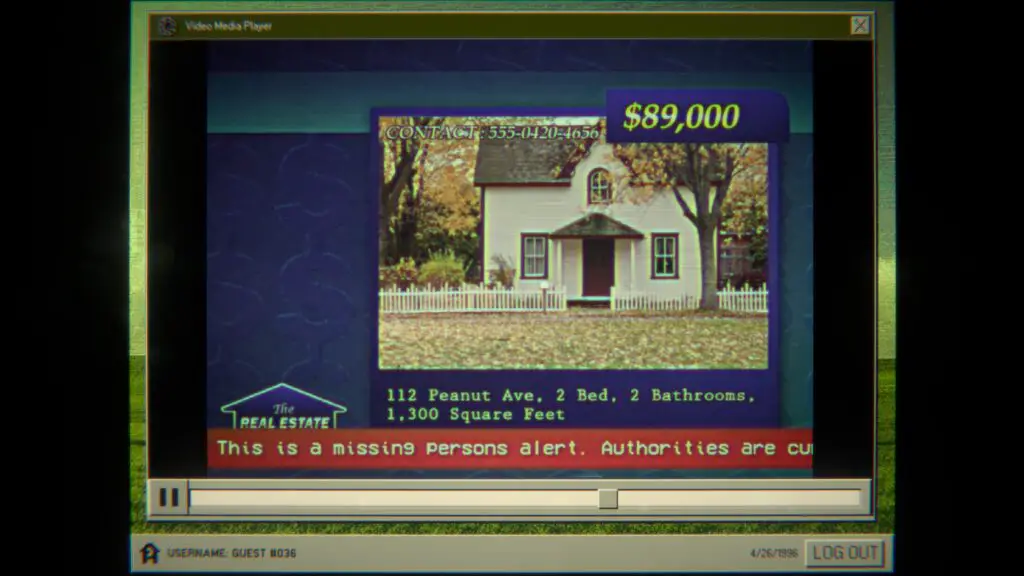
From a technical and business perspective, shorter games are proving to be a sustainable model for developers. Nick Lives highlighted that their two-hour horror sim, Home Safety Hotline, turned a profit quickly. With a accessible price point of $15, it demonstrates that games do not require massive hardware requirements or astronomical budgets to achieve financial success. This challenges the industry dogma that “bigger is always better.”
Why “Scale for Scale’s Sake” is Dying
Yura Zhdanovich of Sad Cat Studios delivered a blunt truth: “The notion of having a huge open world that’s, like, 500 kilometers isn’t new anymore. It’s not enticing. Nobody cares about that.” With modern game engines making it easier to generate vast landscapes, the “wow factor” of a large map has evaporated. In an era where AI can procedurally generate terrain, human-crafted, intentional design stands out more than ever.
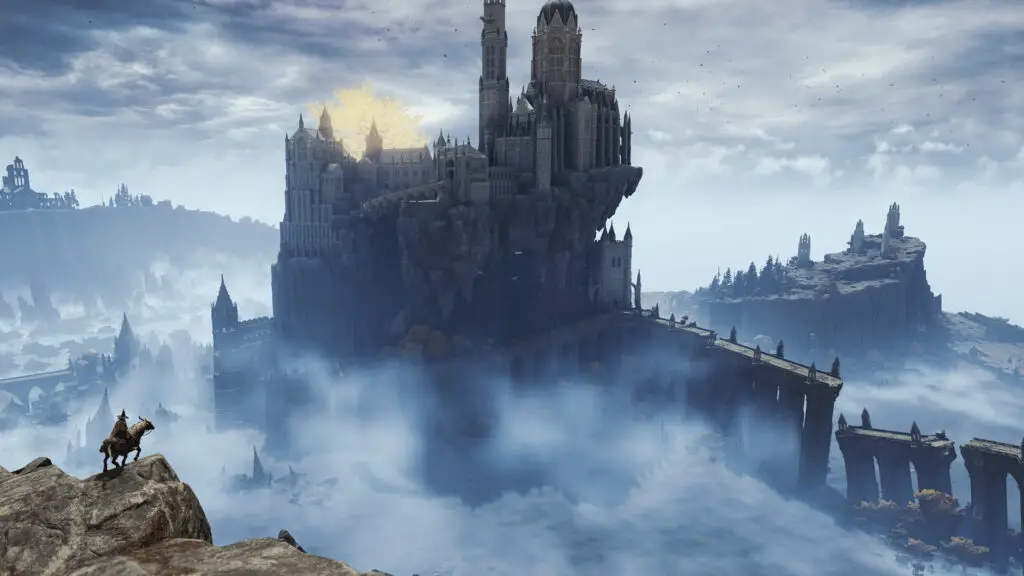
While massive titles like Crimson Desert still capture headlines, they are becoming the exceptions rather than the rule. At Digital Tech Explorer, we believe the future of PC games lies in the balance of technical excellence and respect for the player’s time.
Would you rather invest in a game that lasts weeks but feels like a second job, or a masterpiece that you can finish in a single weekend? Let us know your thoughts in the comments below.
Disclaimer: All content on Digital Tech Explorer is for informational and entertainment purposes only. We do not provide financial or legal advice. Some of the links on Digital Tech Explorer are affiliate links. This means we may earn a commission if you click through and make a purchase, at no additional cost to you.