
As a storyteller who loves unearthing the hidden narratives of the digital world, I’ve been diving deep into the archives of gaming history. Here at Digital Tech Explorer, we believe that understanding the origins of software is just as important as tracking the latest releases. Recently, I came across a fascinating piece of history regarding the early days of Bethesda, back when the team would “assemble boxes, inserts and use a heat gun” just to get a game out the door.
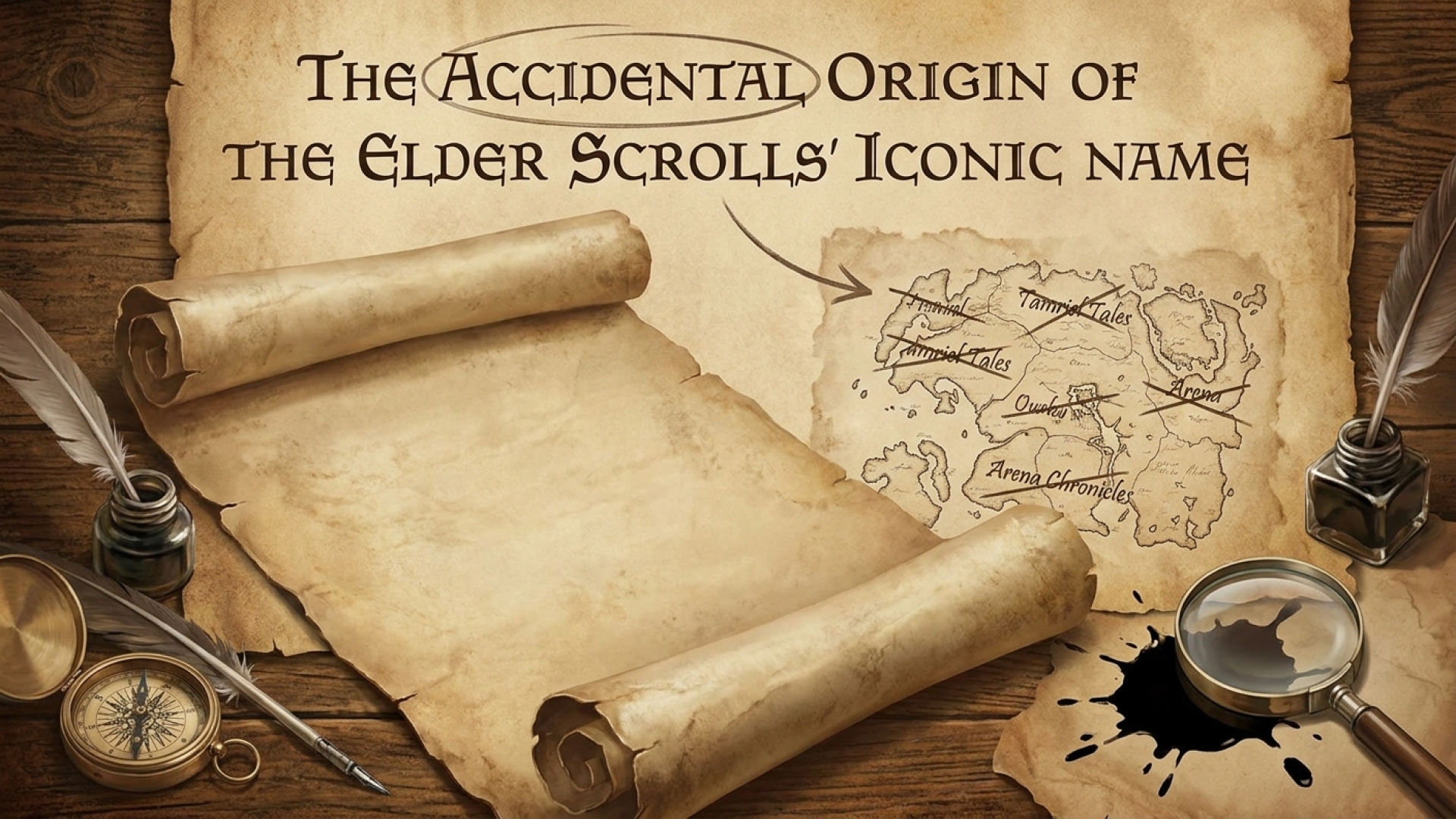
This led me down a rabbit hole toward a classic interview with designer and Daggerfall lead Ted Peterson. In this 2001 discussion, he answers a question that many modern fans might never have thought to ask: Why is the first game in the series actually called The Elder Scrolls: Arena?
Bethesda’s RPG Foray: The Road to Arena
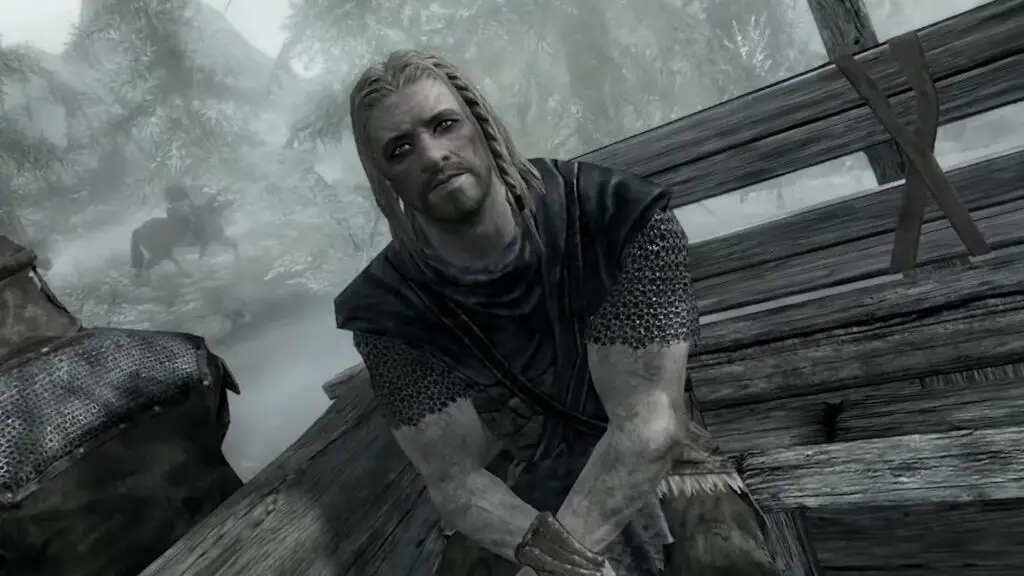
“I was one of two designers on it, the other being Vijay Lakshman, who along with Julian LeFay really spearheaded the initial development of the series,” Peterson explained. Before this project, Bethesda was primarily known for action games like the Terminator series and sports titles like Wayne Gretzky Hockey. Entering the RPG genre was a massive shift for the studio.
Peterson recalls that the transition wasn’t exactly met with open arms by the industry. “I remember talking to the guys at SirTech who were doing Wizardry: Crusaders of the Dark Savant at the time, and them literally laughing at us for thinking we could do it.”
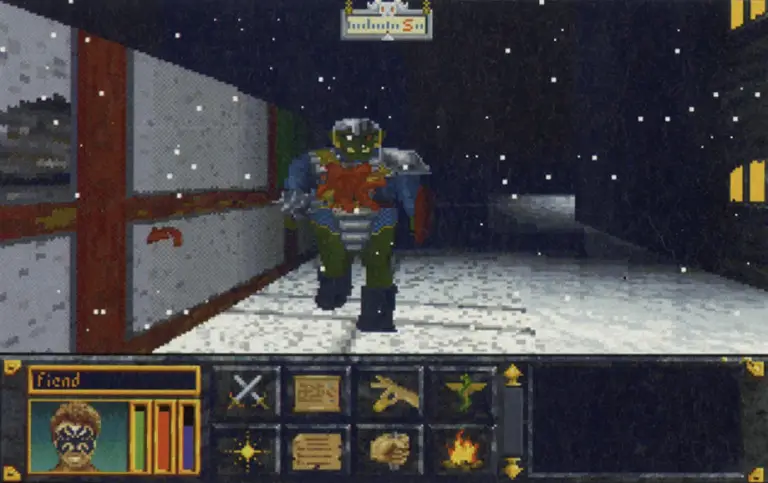
While the name “Arena” suggests a gladiatorial combat game, the context reveals how the project evolved from a combat-oriented title into a sprawling roleplaying game. Peterson, along with Julian and Vijay, were longtime fans of pen-and-paper roleplaying and the Ultima Underworld series, which served as their primary inspiration during development.
From Arena Combat to Epic Quests
The initial idea for the game was quite literal. Players were meant to manage a team of fighters traveling through a series of tournaments in an arena. The goal was to win the title of world champion. As development progressed, the team added a backstory involving an evil wizard named Jagar Tharn and introduced sidequests to flesh out the world.
“Eventually during development, the tournaments became less important and the sidequests became more important,” Peterson said. “We eventually dropped the whole tournament idea altogether and just focused on the quests and the dungeon-delving.”
This presented a marketing problem: the game was no longer about an arena, but the title was already set in stone.
The Serendipitous Naming of “The Elder Scrolls”
By the time the team realized they had a hardcore roleplaying game on their hands rather than a tournament fighter, the advertising was already out and the boxes were printed with the name Arena. To fix this, the team had to get creative with the lore.
“Someone came up with the idea that the Empire of Tamriel, because it was so violent, had been nicknamed the ‘Arena.’ That explained, kinda awkwardly I guess, why there was no arena combat in a game named Arena,” Peterson admitted.
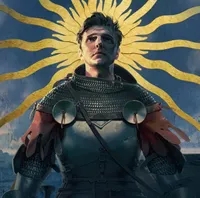
As for the iconic prefix? That was another last-minute addition. Vijay Lakshman reportedly tacked on the subtitle “The Elder Scrolls.” According to Peterson, the team didn’t initially have a deep plan for what those scrolls were, but they updated the opening voiceover to state, “It has been foretold in the Elder Scrolls…” to make it feel official.
At Digital Tech Explorer, we are always fascinated by these moments of serendipity. It’s incredible to think that one of the most successful franchises in PC gaming history received its name because of pre-printed boxes and a late-stage shift in design philosophy. It’s a testament to the chaotic, brilliant nature of digital innovation and the legends that built the industry we love today.