
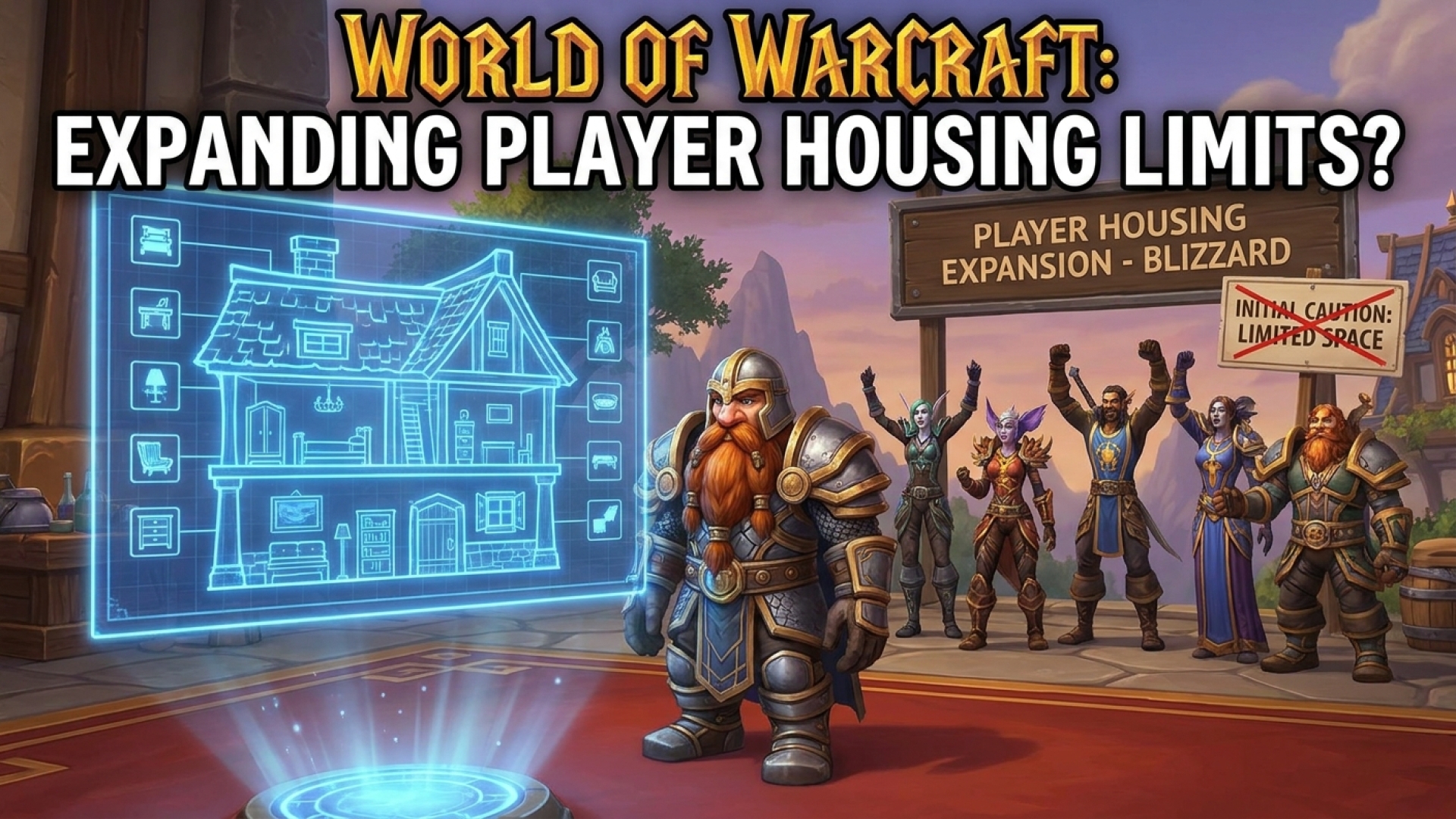
At Digital Tech Explorer, we’ve tracked the evolution of digital worlds for decades, and Blizzard Entertainment’s recent foray into player housing for World of Warcraft represents a significant milestone in MMORPG architecture. This new system offers an unprecedented level of creative freedom, allowing players to carve out their own corners of Azeroth. However, as any software engineer will tell you, scaling a feature of this magnitude requires a delicate balance between player ambition and server stability.
Our resident storyteller, TechTalesLeo, dives into the technical hurdles and future roadmap of this highly anticipated feature, exploring why the current limitations exist and what the future holds for digital decorators.
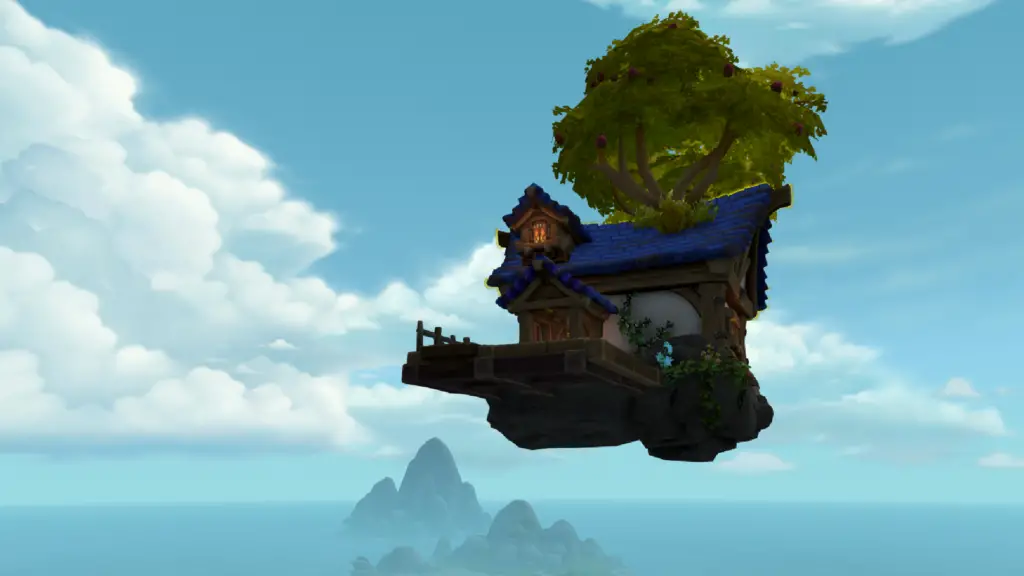
The Bottleneck: Current Housing Limitations
While the initial rollout has been a success, a primary pain point for the community is the current cap of two houses per account—typically restricted to one per faction. For the gaming community and dedicated roleplayers, this constraint is a significant hurdle. Many players manage rosters of characters with vastly different backstories and aesthetic needs, making the “two-home” rule feel like a restrictive partition in an otherwise open world.
Engineering the Future: Developer Insights
In recent discussions, design director Maria Hamilton and principal artist Jay Hwang provided a deeper look into the software solutions required to expand these virtual boundaries. According to Hwang, increasing the house limit is a high priority, but the development team is currently focusing on the foundational housing customization tools that ensure a seamless user experience.
The roadmap includes several sophisticated features designed to enhance the building process:
| Feature | Description | Development Priority |
|---|---|---|
| Copy-Paste Functionality | Allows players to replicate complex decor arrangements across rooms or houses. | High |
| Grouping Features | Enables multiple objects to be moved or edited as a single unit. | High |
| Asset Integration | Incorporating mounts and pets as interactive elements within the home. | Medium |
| Decor Budget Expansion | Increasing the number of individual items allowed in a single instance. | Ongoing |
Prioritizing Stability: The “Conservative Launch” Strategy
From a hardware and server management perspective, Blizzard’s cautious approach is a calculated move to prevent catastrophic system failures. Hwang noted that launching with an aggressive limit—such as 50 homes per account—could have “bogged down” the environment, leading to severe latency and a poor player experience.
As we often discuss here at Digital Tech Explorer, real-world stress tests often reveal machine learning patterns and server loads that internal environments cannot replicate. Maria Hamilton highlighted that a stable launch was the priority: “If no one could enter their house because it was lagging, I don’t think that would have been a great experience.” By starting with a conservative resource allocation, the team can monitor performance metrics and scale the infrastructure safely.
What’s Next for WoW Housing?
The narrative of World of Warcraft housing is just beginning. Blizzard is actively analyzing engagement data to determine how to meet the demand for higher decor budgets and more diverse architectural styles. The developer sentiment is clear: they are committed to “figuring out how to give you more” without compromising the integrity of the game’s PC gaming environment.
For tech enthusiasts and developers, this rollout serves as a fascinating case study in how legacy software adapts to modern player expectations. Stay tuned to Digital Tech Explorer as we continue to cover the intersection of digital innovation and gaming.
For more insights into the latest tech trends and software solutions, explore our deep dives on AI acceleration and GPU performance.