
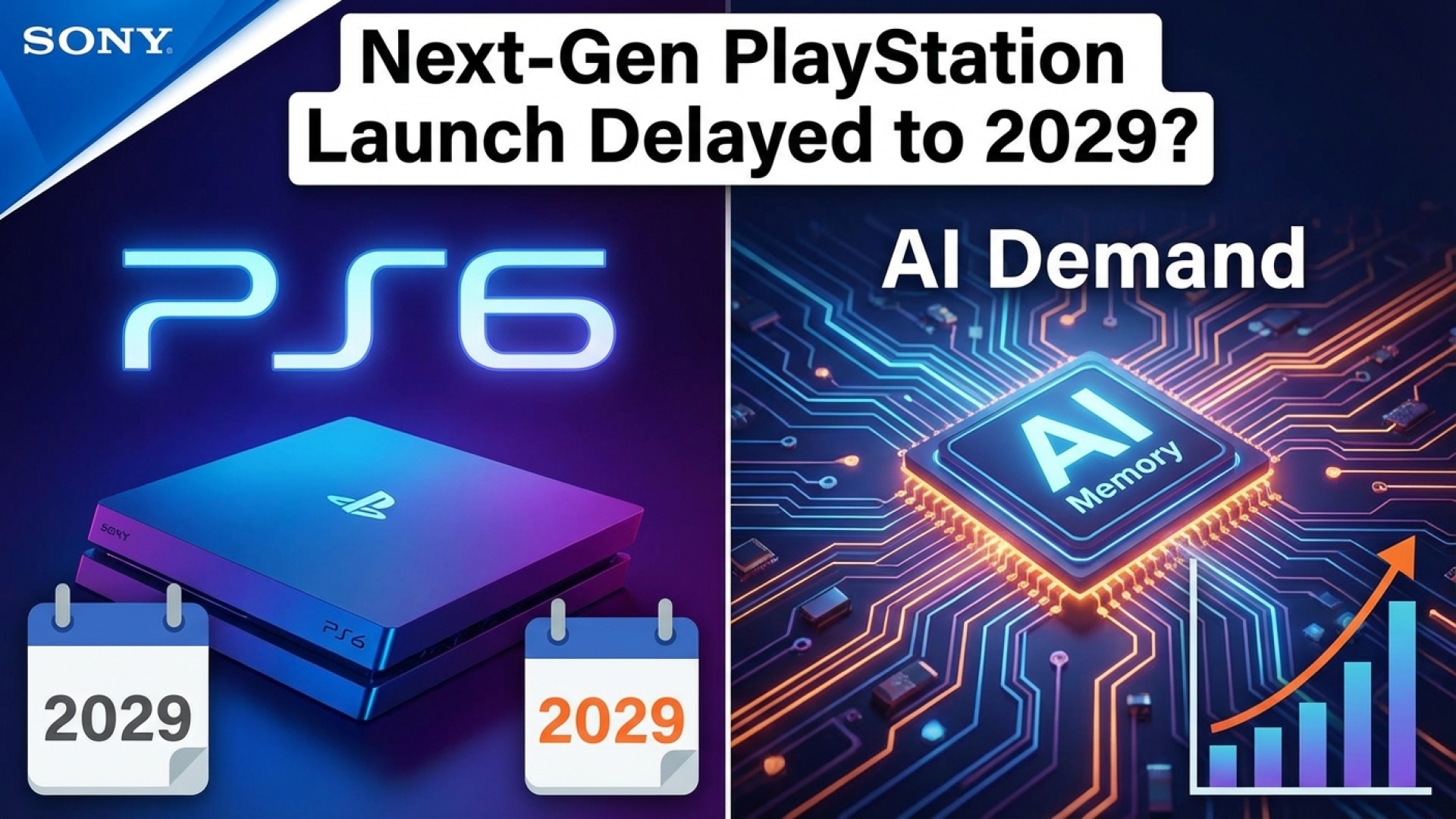
The burgeoning demands of artificial intelligence are creating significant ripples across the consumer electronics industry, potentially impacting major product launches and market stability. At Digital Tech Explorer, we’ve been tracking how the insatiable appetite for advanced memory chips by AI data centers is no longer just a corporate concern—it’s a looming crisis that could lead to unprecedented delays and price hikes for everyday tech products.
AI Demand Threatens Next-Gen PlayStation Launch
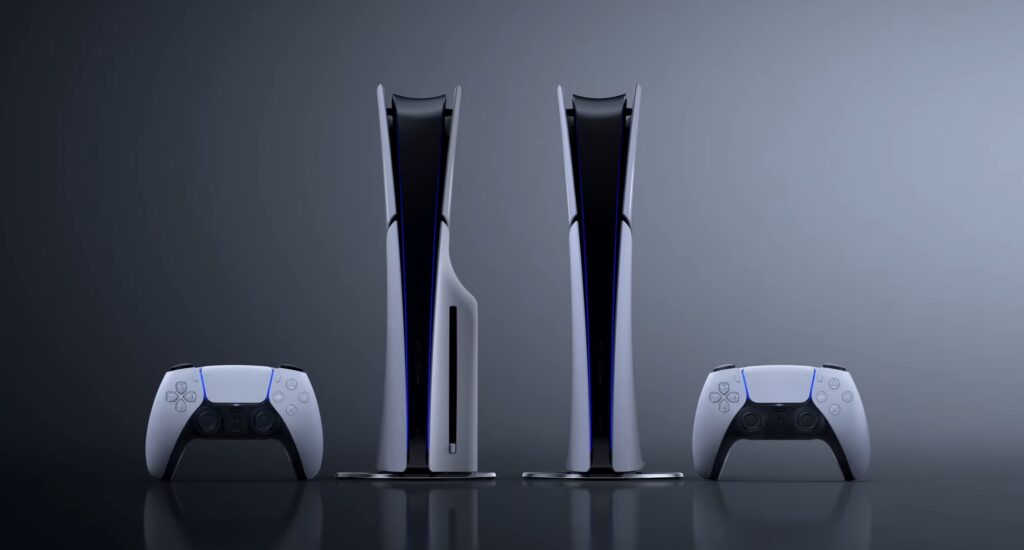
According to a report from Bloomberg, Sony is reportedly considering a substantial delay for the debut of its next-gen PlayStation console. Sources familiar with Sony’s internal discussions suggest the launch could be pushed back as far as 2028 or even 2029. This potential pivot stems directly from the rampant demand for AI-optimized memory, which is fueling a growing global chip crisis.
For gamers and developers alike, such a move represents a significant deviation from Sony’s established strategy for maintaining user engagement between hardware generations. As a platform founded by software engineers, we recognize that these delays don’t just affect hardware sales; they shift the entire development roadmap for upcoming PC games and console exclusives.
Broader Console Market Impacts: The Nintendo Factor
The effects of the memory shortage are not limited to Sony. Close competitor Nintendo is also assessing the volatile landscape. Following increased demand projections for its upcoming Switch 2 console, Nintendo is reportedly contemplating raising the price of the device in 2026. This reflects a broader trend where supply chain pressures are forcing manufacturers to pass costs directly to the consumer.
The Root Cause: AI Data Centers vs. Consumer Hardware
The root cause of this widespread issue is the exponential growth of AI technology. Tech giants like Alphabet Inc. and OpenAI are acquiring millions of Nvidia Corp. AI accelerators, which come bundled with massive allotments of high-bandwidth memory. This has left consumer electronics producers scrambling for a shrinking supply from manufacturers such as Samsung Electronics Co. and Micron.
| Market Segment | Impact Level | Primary Cause |
|---|---|---|
| Next-Gen Consoles | High | Potential launch delays (2028-2029) |
| PC Gaming (DIY) | Critical | Discontinuation of consumer memory lines |
| Handheld Consoles | Moderate | Projected price hikes in 2026 |
| AI Accelerators | Extreme | Massive allocation of global memory supply |
The Personal Computer Market Fallout
The PC hardware market, particularly the premium and DIY segments, has been hit hardest. The Crucial brand of consumer memory sticks—a staple for enthusiasts for three decades—was discontinued by Micron last year to prioritize enterprise AI clients. This led to a “stampede” for remaining inventory, driving memory prices to new highs.
Custom PC maker Falcon Northwest reported a staggering average selling price increase of $1,500 across 2025 for each of its custom-made computers, with some builds reaching approximately $8,000. For the tech-savvy professional, these figures highlight a worrying trend where high-end 4K resolution gaming and workstations are becoming increasingly inaccessible.
A Global Crisis in the Making
The ripple effect extends far beyond gaming. The Bloomberg report highlights that the world is facing a deficit of essential memory required for everyday functions—from storing smartphone photos and navigating modern vehicles to running essential software. At Digital Tech Explorer, we believe this underscores a significant “global crisis in the making.” As AI continues to evolve, the balance between industrial progress and consumer availability remains more fragile than ever.
Stay tuned to Digital Tech Explorer for more in-depth analyses and updates on how emerging trends are reshaping the digital landscape.