

At Digital Tech Explorer, we are constantly tracking the intersection of software optimization and hardware limitations. For many PC gamers, the “memory crisis” isn’t just a headline—it’s a daily struggle with rising costs for GPU and RAM upgrades. However, a significant breakthrough from the Linux development community is offering a lifeline to those running mid-range hardware. Natalie Vock, a prominent Valve Linux developer, has unveiled a sophisticated fix designed to drastically improve gaming performance on Linux for systems equipped with 8 GB VRAM graphics cards.
This development addresses a long-standing bottleneck where Linux applications aggressively consume available resources, often leading to stuttering or performance drops during intensive gaming sessions. As we explore the evolving landscape of gaming on open-source platforms, this fix stands out as a masterclass in kernel-level resource management.
The Mechanics of VRAM Management
The core issue involves how the Linux kernel handles hardware memory requests. In standard configurations, when a game demands more VRAM than the 8 GB physically available, the system doesn’t simply crash. Instead, the kernel attempts to “swap” or move memory allocations around. Because the kernel driver historically viewed all memory allocations as equal, it would often kick out essential game data to make room for background processes, causing massive frame-rate dips.
Vock’s solution introduces kernel patches and specialized utilities that utilize cgroups to “protect” specific memory zones. This allows the system to intelligently prioritize GPU memory allocations, ensuring that the active game retains the resources it needs while background tasks are deprioritized.
Key Utilities for Enhanced Performance
To implement this fix, users—particularly those on Arch-based distributions like CachyOS—are encouraged to utilize two specific packages:
| Package Name | Primary Function |
|---|---|
| dmemcg-booster | Manages dynamic memory cgroups to protect VRAM allocations from being prematurely evicted. |
| plasma-foreground-booster | Optimizes the KDE Plasma environment to ensure the foreground application (the game) receives priority resource scheduling. |
Installation Paths for Linux Enthusiasts
As TechTalesLeo, I’ve seen many “performance hacks” come and go, but this kernel-level approach is particularly robust. Currently, the easiest way to access these improvements is through CachyOS, which has already integrated the necessary support. However, the Linux community is nothing if not flexible:
- Arch Users: The packages are currently available in the AUR (Arch User Repository).
- Non-Arch Distributions: Users on Fedora, Ubuntu, or Debian can either wait for the patches to “trickle down” into their respective mainlines or take the path of compiling a custom kernel using the CachyOS patches.
- Future Compatibility: Vock has indicated that broader distribution support is on the horizon, with updates being tracked via GitHub.
The Strategic Link to SteamOS and 2024 Releases
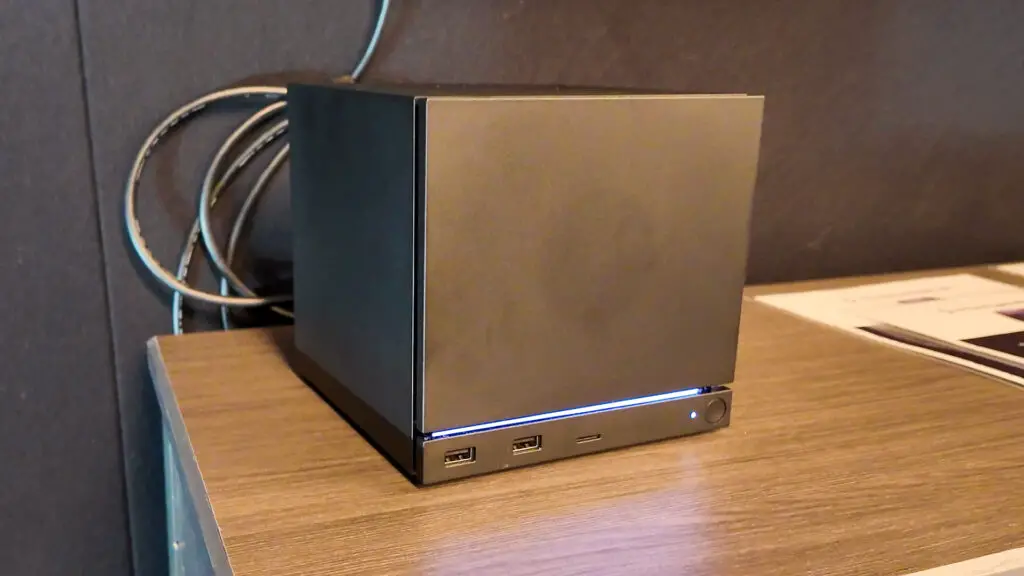
This optimization isn’t just a hobbyist project; it has deep implications for the future of handheld and living-room PC games. With the anticipated 8 GB Steam Machine operating on the Arch-based SteamOS, these kernel improvements are likely a direct result of Valve’s internal R&D. By stabilizing how 8 GB VRAM cards handle memory overflows, Valve ensures that their hardware remains competitive even as modern titles push the limits of texture and shader budgets.
For the average user, the result is a much more consistent experience. Instead of a slow degradation of performance as a play session continues, games should remain stable—provided the software itself does not exceed the physical limits of the VRAM. As we move further into 2024 releases, these types of software-driven efficiency gains are essential for keeping gaming accessible and affordable.
To stay updated on the latest in AI acceleration, GPU tech, and software solutions, keep exploring with us here at Digital Tech Explorer.