
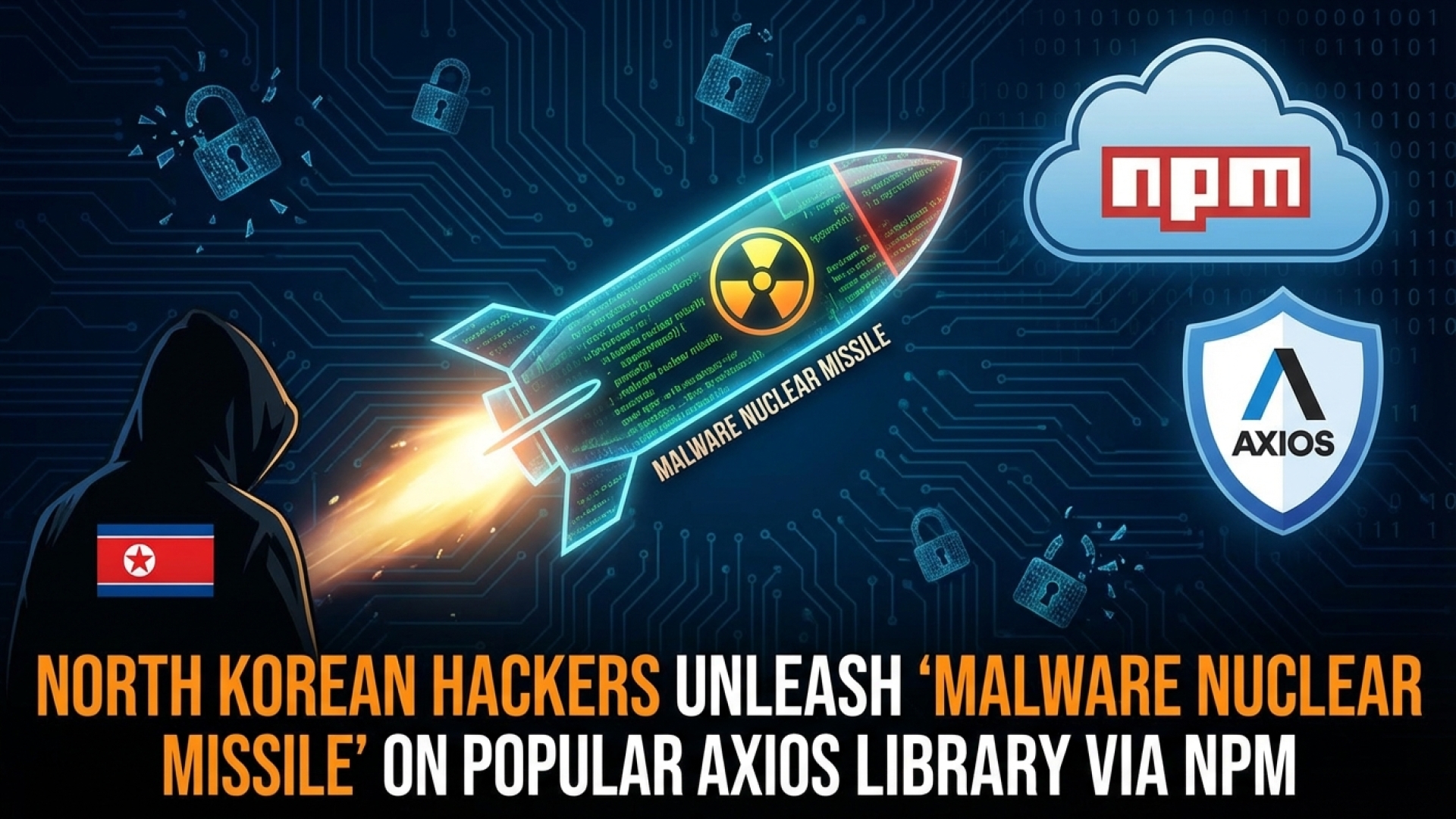
In the fast-paced world of JavaScript development, few libraries are as ubiquitous as Axios. However, even the most trusted tools in a developer’s kit can become vectors for sophisticated cyberattacks. Recently, the tech community was rocked by a calculated supply chain breach where malicious versions of the Axios library were used to deploy a Remote Access Trojan (RAT). Here at Digital Tech Explorer, we believe staying ahead of these trends is critical for every software engineer and tech professional.
Anatomy of the Axios NPM Supply Chain Attack
According to threat intelligence from Google, this breach has been linked to UNC1069 (also known as CryptoCore). This financially motivated threat actor, with known ties to North Korea, successfully compromised the npm account of a legitimate Axios maintainer. By gaining access to this high-trust account, the attackers were able to bypass initial scrutiny and distribute poisoned code directly through the npm registry.
The methodology was particularly devious: rather than tampering with the official Axios source code, the hackers published two “poisoned” packages from the compromised account. These packages introduced a hidden, harmful dependency that triggered the installation of the RAT. It is important to emphasize that the core Axios library remained secure; the danger resided in these specific, short-lived malicious releases.
Precision and Speed: A Calculated Operation
As TechTalesLeo, I often see attacks that are opportunistic, but this breach was a masterclass in calculated precision. Analysis from StepSecurity revealed that the malicious dependency was prepared 18 hours before the actual compromise. The attackers deployed three distinct payloads customized for different operating systems within a 39-minute window.
| Attack Phase | Details |
|---|---|
| Preparation | Malicious dependency staged 18 hours in advance. |
| Execution | Compromised releases published within a 39-minute window. |
| Payload Delivery | RAT execution within 2 seconds of npm install. |
| Cleanup | Evidence erased post-exploit to hinder forensic analysis. |
The malware was designed for lightning-fast execution, establishing a connection with the attacker’s Command and Control (C2) server within two seconds of a developer running an npm install command. This efficiency allowed the malware to activate even before the rest of the project’s dependencies had finished resolving.
Assessing the Impact on the Developer Ecosystem

The window of exposure was relatively short, as the malicious versions were removed within hours. However, the threat was far from theoretical. BitDefender confirmed active attempts to execute the RAT on user systems, and security researchers at VX-Underground likened the compromise to a “malware nuclear missile” due to its potential reach and sophistication.
Essential Security and Remediation Steps
For those managing software projects, immediate action is required to ensure your local environments and CI/CD pipelines haven’t been compromised. Based on expert recommendations from Malwarebytes and other industry leaders, here is your security checklist:
- Audit Your Dependencies: Check
package-lock.jsonfiles for any Axios versions installed during the window of the attack. - Analyze Network Traffic: Look for unusual outbound connections to unknown IP addresses or domains, which may indicate data exfiltration.
- Treat Infected Machines as Compromised: If a malicious version was installed, the host machine should be wiped and re-imaged.
- Rotate All Secrets: Immediately change API keys, repository access tokens, and signing keys that were stored on or accessible from the affected machine.
- Implement Lockfile Integrity: Ensure your team is using and verifying lockfiles to prevent unexpected dependency changes.
This incident serves as a stark reminder that the tools we rely on are only as secure as their weakest link. At Digital Tech Explorer, we remain committed to helping you navigate the evolving landscape of digital innovation by providing the insights you need to build secure, resilient software.