
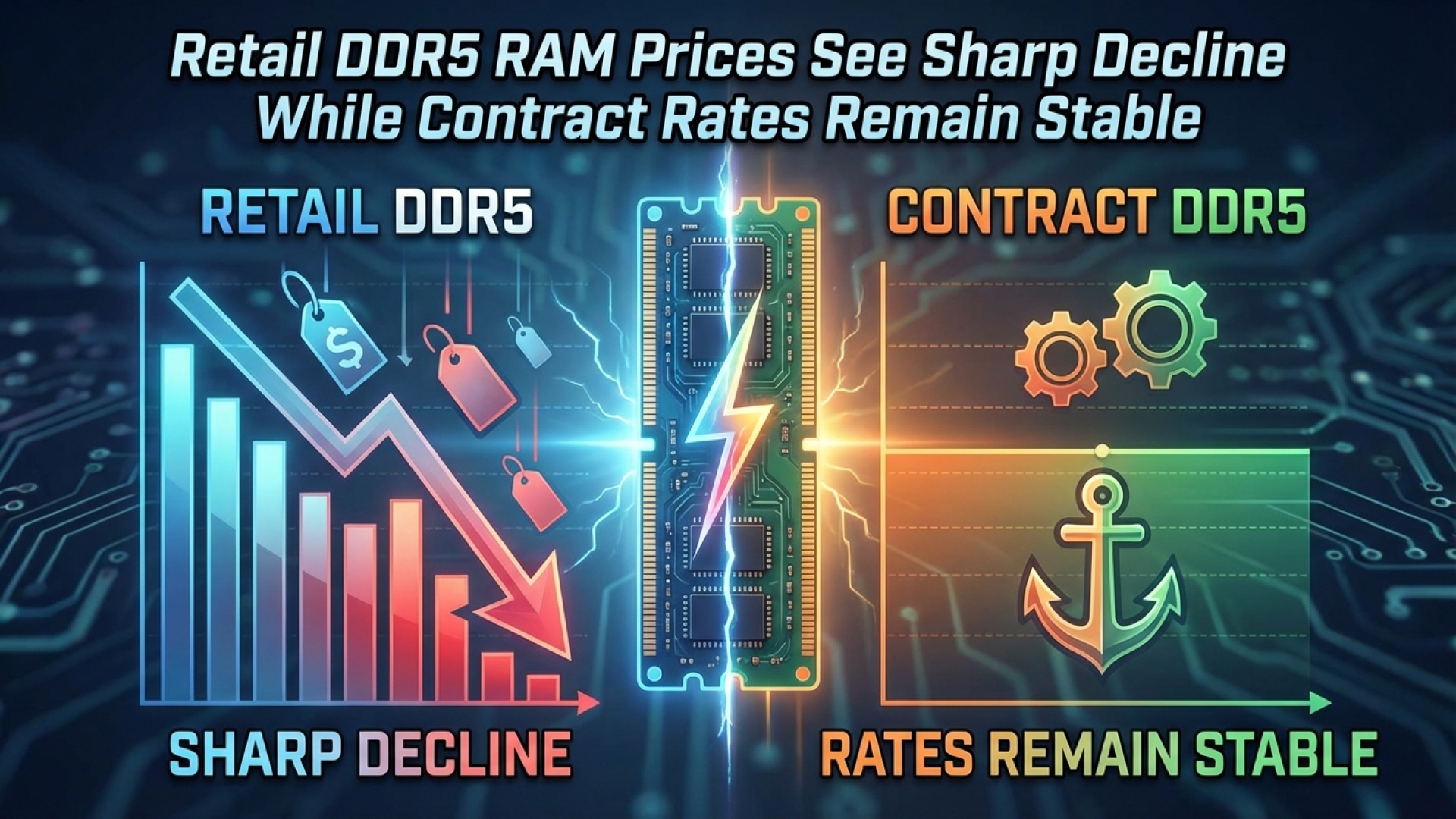
Is the tide finally turning for the PC gaming community? After months of being pummeled by skyrocketing component costs, there is a glimmer of hope on the horizon. Here at Digital Tech Explorer, we’ve been tracking the volatility of the hardware market closely. Recently, reports surfaced regarding spending adjustments at OpenAI potentially cooling off memory chip prices. Now, market analyst Trendforce suggests that retail DDR5 RAM kit pricing is beginning to fall “sharply” across major markets in the US, Europe, and China.
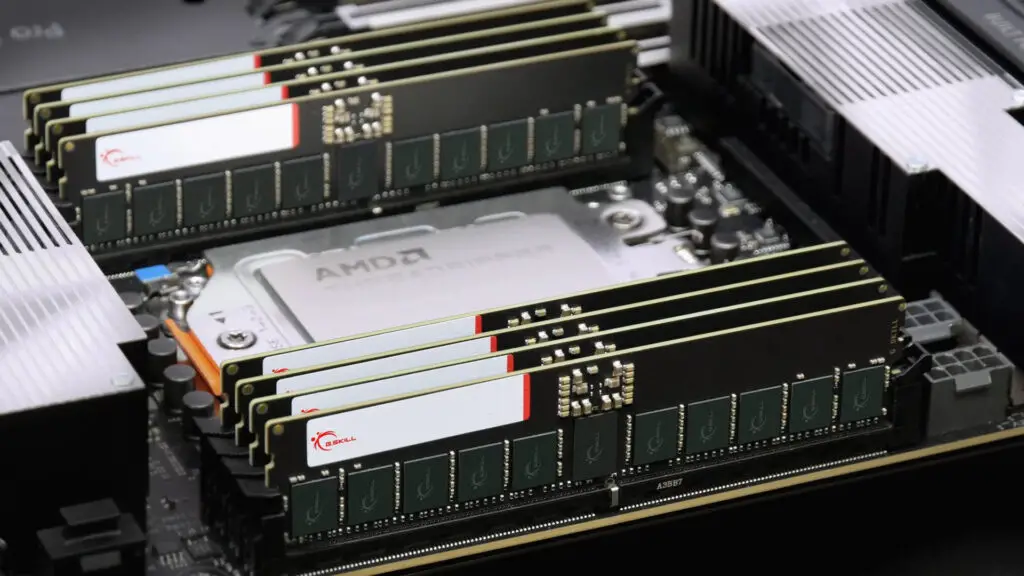
According to Trendforce’s latest analysis, “Recent sharp price corrections across retail memory channels have pushed DDR5 modules to the center of a broader sell-off.” This shift is partly fueled by industry debates surrounding Google’s TurboQuant and questions about whether we are reaching an inflection point for weakening demand in the consumer sector.
Retail Price Fluctuations vs. Stable Contract Prices
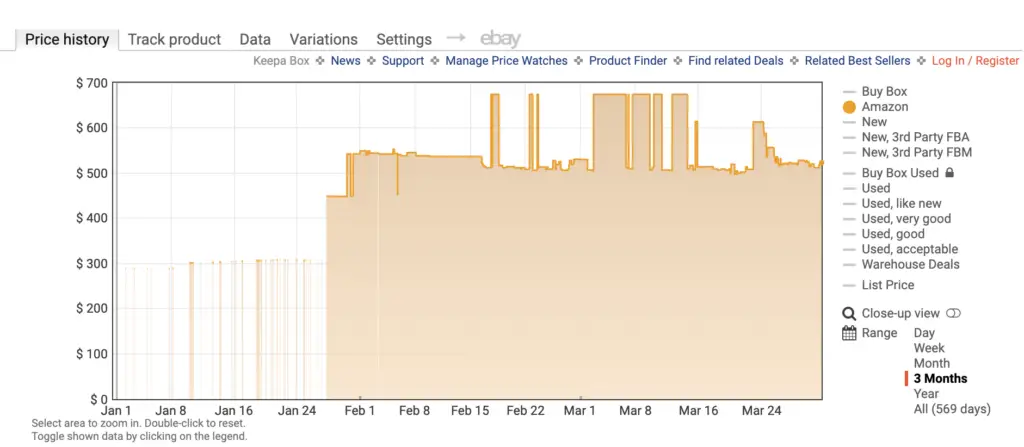
While reports from various regions suggest a downward trend, the reality for the average builder is a bit more nuanced. When our team at Digital Tech Explorer analyzed current listings on major e-commerce platforms, we found that while some DDR5 kits have retreated from their absolute peak, the trend isn’t a straight line down. Instead, we are seeing significant “oscillations.”
For example, a popular Kingston 32 GB DDR5 kit has been bouncing between $515 and $657 since February. This volatility is common across the hardware landscape. Furthermore, Trendforce points out that while retail prices are twitchy, contract prices from major memory suppliers remain remarkably stable. This suggests that while retailers might be clearing stock, the base cost of manufacturing hasn’t dropped significantly yet.
| Market Factor | Current Status | Impact on Price |
|---|---|---|
| Retail Channels (US/China) | Sharp Correction | Downward Pressure |
| Manufacturer Contracts | Stable | Price Floor Maintenance |
| AI Infrastructure Demand | High / High-Priority | Upward Pressure |
| Consumer PC Demand | Weakening | Downward Pressure |
Industry Outlook: A Healthy Cooldown?
As TechTalesLeo, I’ve seen these market cycles play out many times. Trendforce currently views this DDR5 price correction as a short-term consumer-driven adjustment rather than a structural collapse. High-Bandwidth Memory (HBM) and server-side DRAM demand remain incredibly strong, with major suppliers locked into multi-year agreements with enterprise clients.
Whether this is a “healthy cooldown” for gamers or an early warning sign of a larger economic shift will become clearer as we move through the quarter. For now, the long-term fundamentals of the memory industry remain anchored by the rapid expansion of AI acceleration.
The Pivotal Role of AI in Your Next Upgrade
The elephant in the room remains the AI industry. From OpenAI’s shifting budgets to Google’s claims that new algorithms can reduce memory overhead by 6x, the software side of tech is dictating hardware costs more than ever. Even emerging sectors like autonomous vehicles and robotics are projected to consume massive amounts of RAM—up to 300 GB per device in some instances.
Ultimately, the price you pay for your next gaming PC upgrade hinges on the AI hype cycle. If the industry continues its meteoric rise, it’s unlikely we’ll see memory return to “budget” levels anytime soon. However, if demand for AI training hardware plateaus, the surplus could lead to a golden age for PC builders. At Digital Tech Explorer, we’ll be here to chronicle every shift in the narrative.