
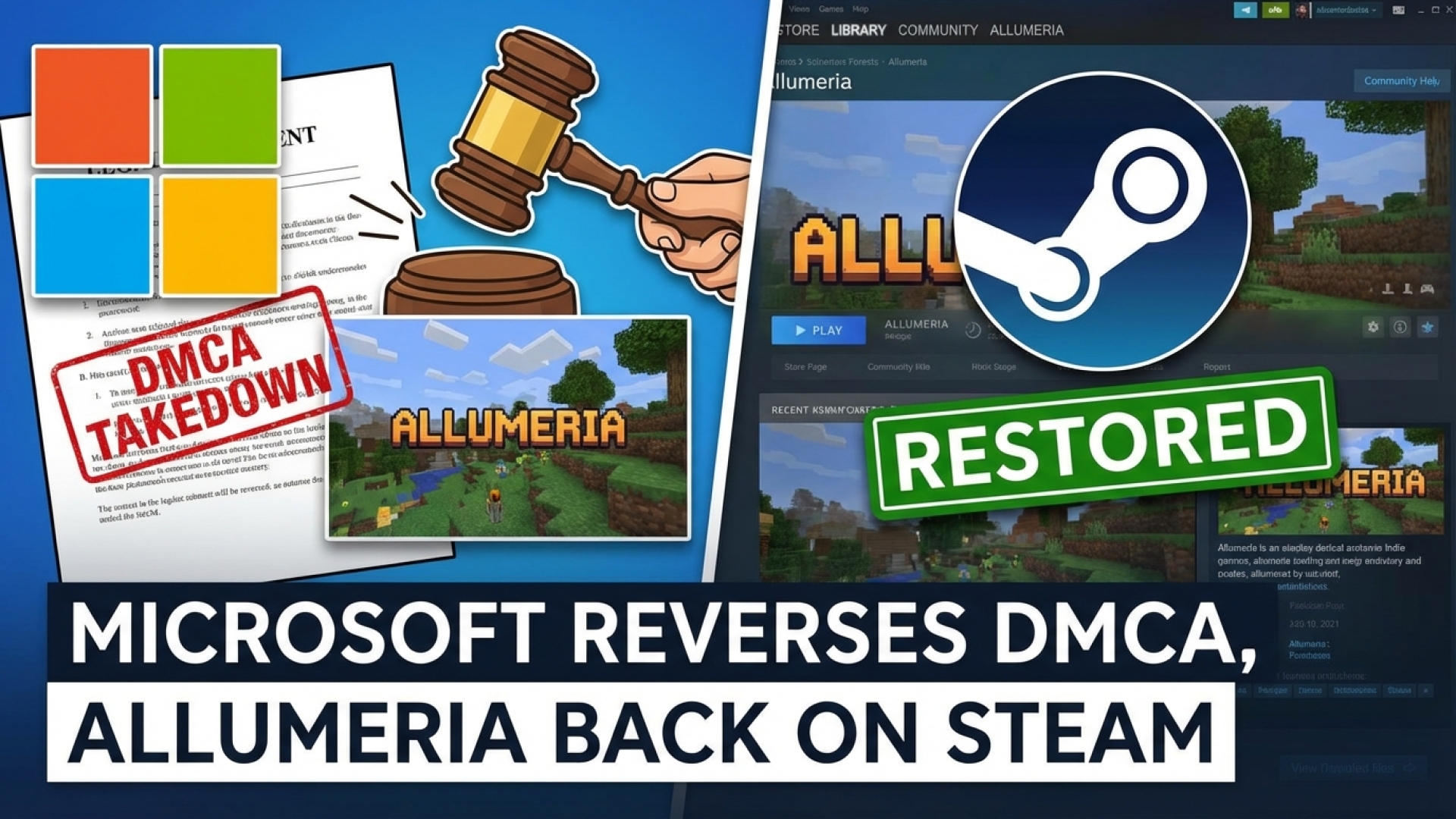
In the high-stakes world of indie game development, drawing inspiration from industry giants is a common practice. However, as the creators of the lo-fi voxel sandbox game Allumeria recently discovered, the line between homage and infringement can be thin—especially when automated systems are involved. Here at Digital Tech Explorer, we’ve seen how emerging tech can both empower and disrupt creators, and the story of Allumeria is a quintessential narrative of the modern digital landscape.
The Unexpected DMCA Takedown
For indie developer Unomelon, the journey to Steam Next Fest took a harrowing turn when their project was abruptly scrubbed from the Steam storefront. The cause? A Digital Millennium Copyright Act (DMCA) takedown notice issued by Microsoft Corporation, the powerhouse behind Minecraft. The notice, delivered via Valve, alleged that Allumeria infringed upon Minecraft’s copyright by utilizing unauthorized assets and gameplay mechanics.
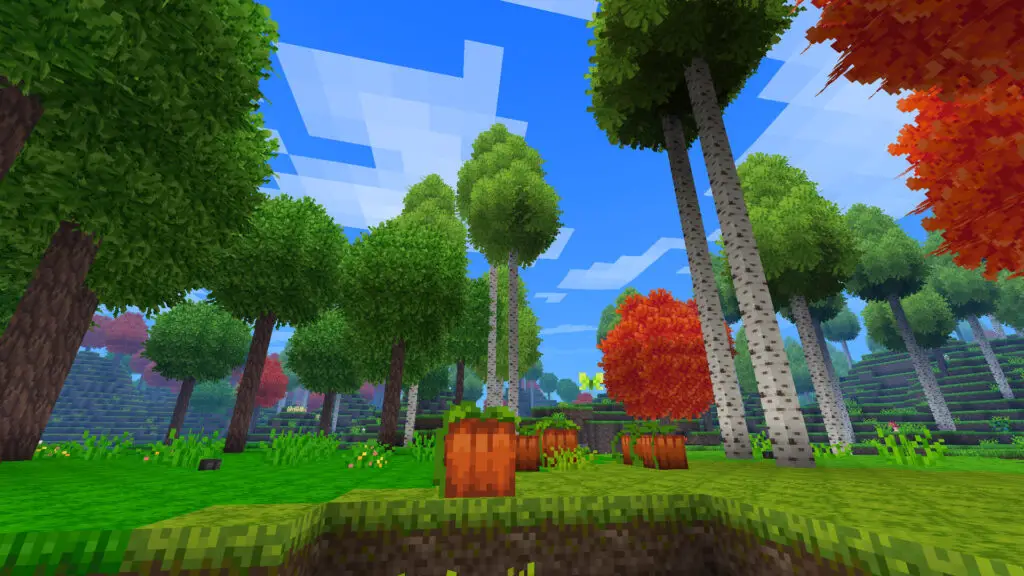
While the visual similarities to Minecraft are inherent to the voxel genre, the specific claim by Microsoft representative Judith Woodward didn’t initially provide granular details. This left the developer—and the wider community—questioning where “genre standards” end and “copyright infringement” begins.
The Role of AI in Legal Enforcement
As we often discuss here at Digital Tech Explorer, the intersection of AI and law is increasingly complex. Unomelon speculated on the game’s official Discord that the takedown likely originated from Tracer.AI, an automated brand protection service. This suggests that the incident may have been a “false positive” triggered by an algorithm scanning for visual patterns rather than a human-led legal review of the code or specific assets.
In the tech industry, this highlights a growing concern: the “guilty until proven innocent” protocol of platforms like Steam. When a DMCA notice is filed, Valve’s policy is to remove the content first and ask questions later, placing a heavy burden on small-scale developers who lack the legal resources of a trillion-dollar corporation.
Snapshot: The Allumeria Dispute
| Key Detail | Information |
|---|---|
| Developer | Unomelon |
| Game Title | Allumeria |
| Claimant | Microsoft (via Tracer.AI) |
| Primary Reason | Alleged use of Minecraft content/assets |
| Outcome | Claim withdrawn; Game restored |
Community Solidarity and Industry Context
The developer’s distress—summarized in a heartfelt Discord post: “I genuinely do not know what to do”—resonated throughout the indie gaming community. Experts and fellow developers pointed toward other titles like Hytale and Vintage Story. Despite their visual lineage to Minecraft, these games have operated without legal friction.
The developer of Vintage Story even publicly labeled the claim against Allumeria as “ridiculous,” urging Mojang and Microsoft to clarify their stance on voxel-based creativity. This incident underscores a critical need for transparency in how hardware and software giants manage their intellectual property without stifling the next generation of PC games.
A “Best Case Scenario” Resolution
Fortunately, this story has a happy ending. In a swift reversal, Microsoft officially withdrew the DMCA claim. This allowed Allumeria to return to Steam without the developer needing to engage in a costly legal battle or a formal counter-claim process.
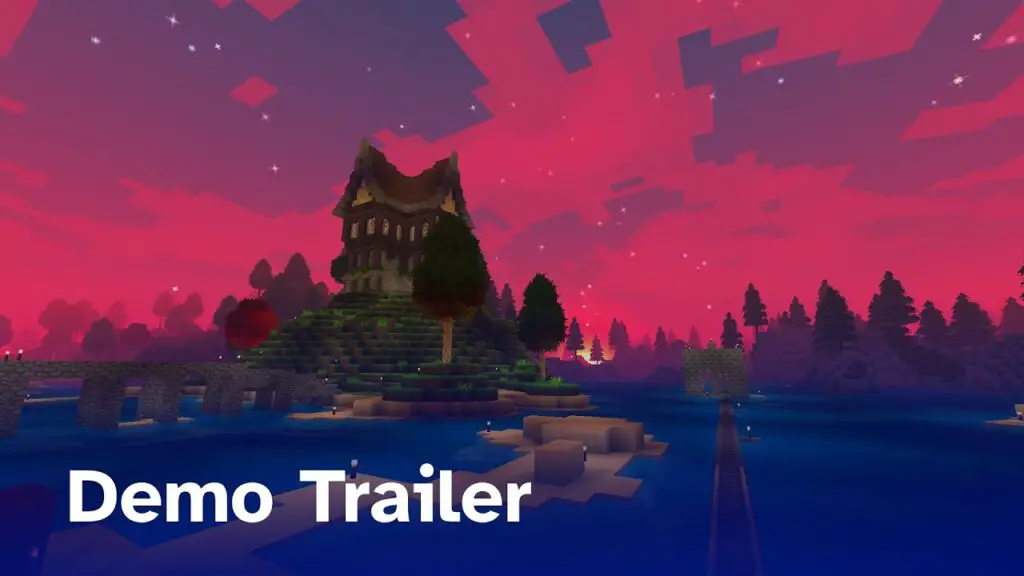
Unomelon expressed immense relief, characterizing the withdrawal as the “best case scenario.” For the team at Digital Tech Explorer, this serves as a reminder that while AI acceleration in brand protection is efficient, it still requires human oversight to protect the vibrant indie ecosystem that keeps the tech world innovative.
As always, stay tuned to Digital Tech Explorer for more insights into the tech trends and stories shaping our digital future. Our goal is to bridge the gap between complex digital innovation and everyday usability.