
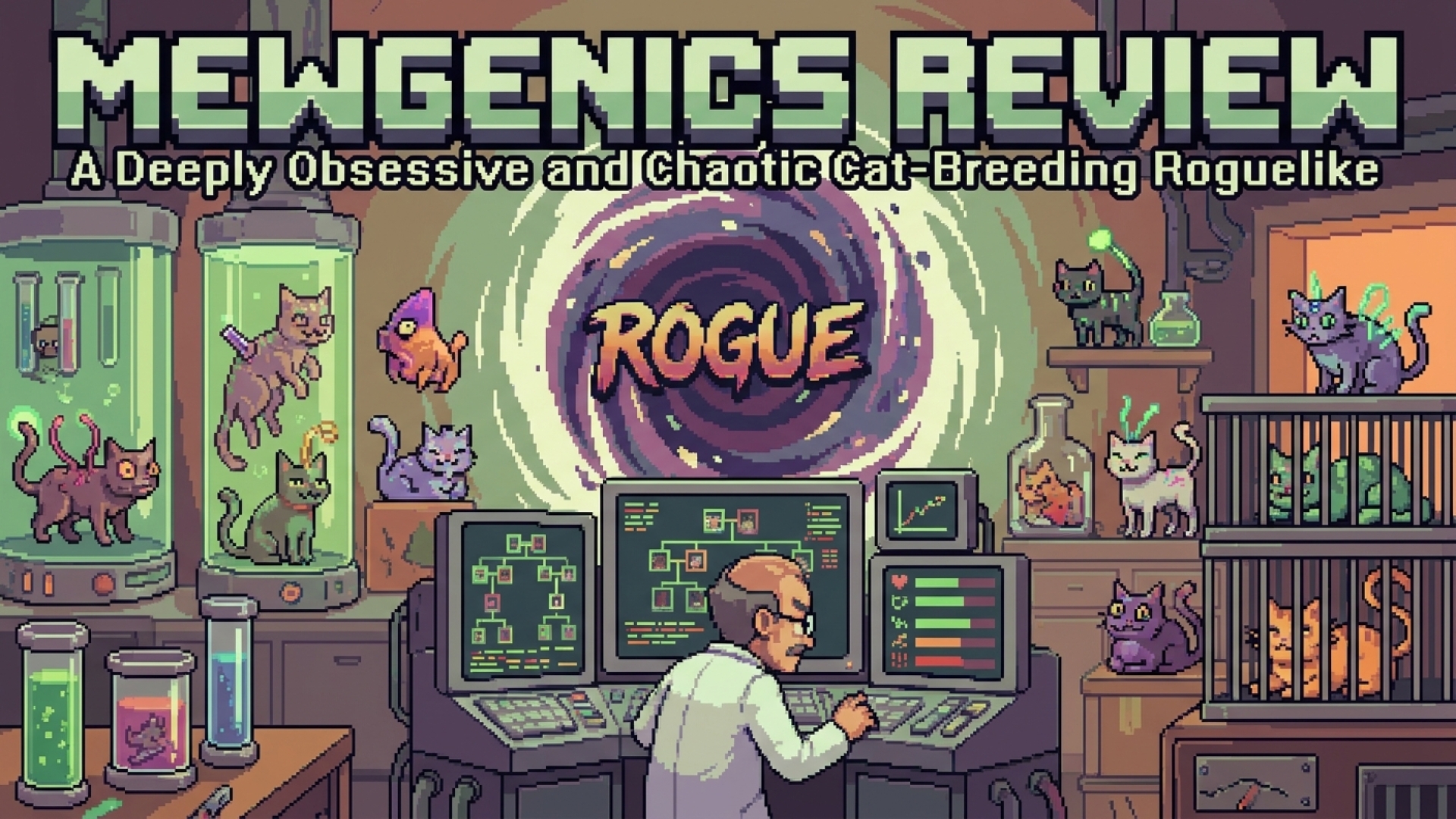
At Digital Tech Explorer, we are always on the hunt for software that pushes the boundaries of traditional genres. Our team, led by seasoned perspectives on digital innovation, spent a significant amount of time diving into the chaotic systems of this latest release to see if it lives up to the hype. Here is our deep dive into the world of feline warfare.
Mewgenics: Need to Know
| What is it? | A turn-based tactical roguelike and cat breeding simulator. |
| Release Date | February 10, 2026 |
| Developer/Publisher | Edmund McMillen, Tyler Glaiel |
| Tested On | Nvidia Geforce RTX 3080, AMD Ryzen 9 5900X, 32GB RAM |
| Steam Deck | Verified |
| Category | Gaming / PC Games |
If you have been looking to form a deeply complex relationship with a digital ecosystem in 2026, Mewgenics is the software solution for your boredom. It is a sprawling, bizarre, and endlessly surprising roguelike that drags you body and soul into its unpredictable world.
As a storyteller in the tech space, I find “obsession” to be a mild word for this experience. The core loop involves taking adventuring parties of feline warriors into the neighborhood, returning with spoils (or fatalities), and managing your household to breed a more resilient generation. Even after 100 hours of testing on high-end hardware, I am still uncovering new quests, AI-driven secrets, and unhinged narrative beats.
Each run requires you to handpick four cats from your cluttered home. You assign them classic RPG roles—fighter, mage, or cleric—which adds randomized abilities to their character sheet. From there, you set off across an overland map, starting in the local alleys and moving toward more dangerous digital frontiers.
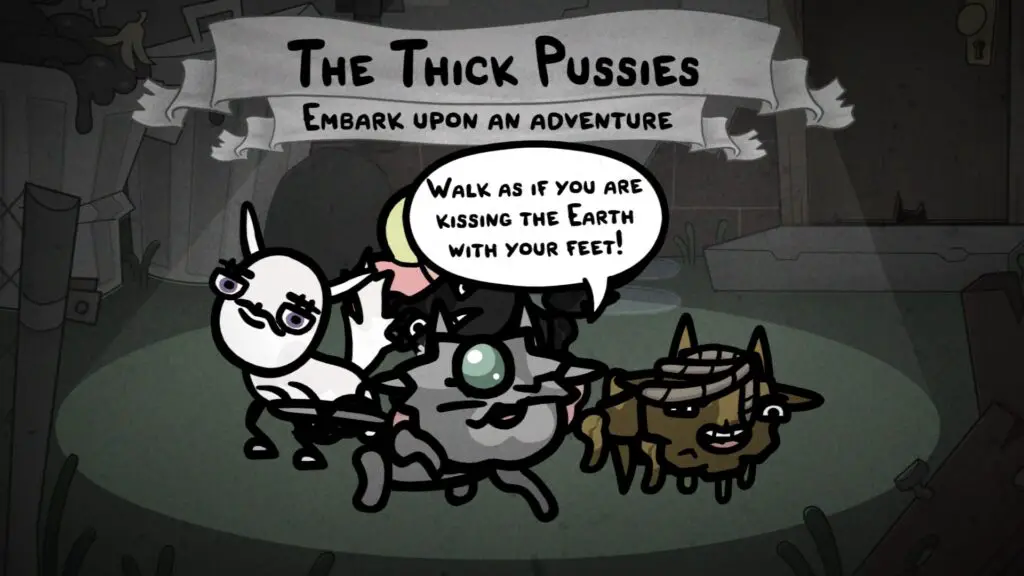
The “meat” of the experience lies in the turn-based battles. These encounters pit you against a massive variety of monsters. The combat is surprisingly accessible, avoiding the steep learning curves found in some modern strategy titles. However, don’t let the simplicity fool you; the underlying GPU-intensive visuals hide a deep tactical layer.
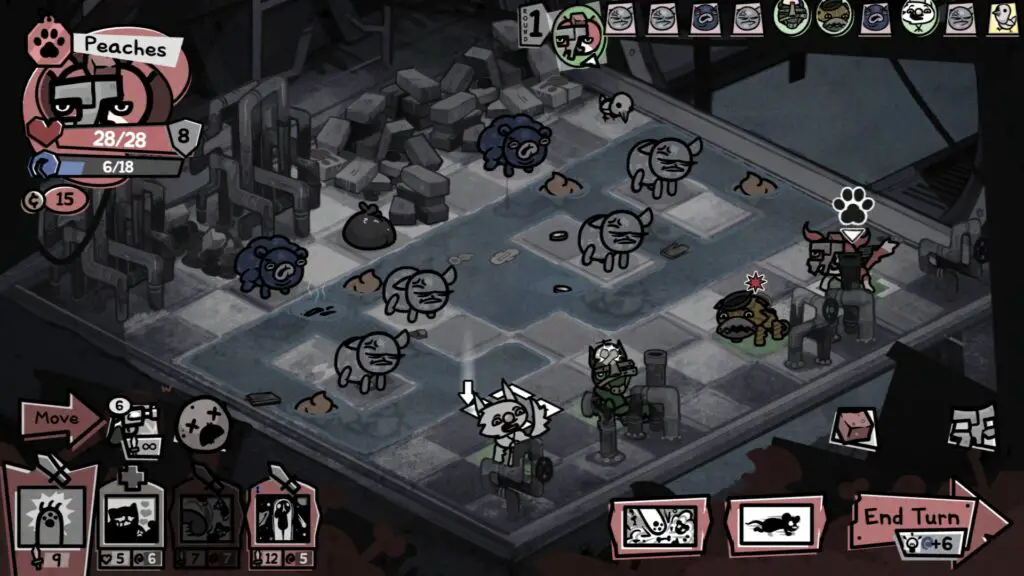
You fight across small grids using directional abilities. Each cat possesses a basic class attack—like a hunter’s long-range arrows—and a set of spells limited by mana. Passives and equipment add further synergy. This design prevents analysis paralysis, but the real difficulty comes from the enemies. Some creatures deflect projectiles, while others charge when damaged, forcing you to pivot your strategy instantly.
Admittedly, the game can feel unfair. Random elements can derail an hour-long run with a single debilitating disease or an “instakill” move. But that is the soul of Mewgenics—embracing the systemic entropy. It isn’t about precision; it is about the stories that emerge from the wreckage.
The Legacy of Randomization
Co-developed by Edmund McMillen, the mind behind The Binding of Isaac, this title feels like a true spiritual successor. It carries a love for randomization and emergent drama. As your cats level up or suffer the effects of forbidden magic, your run tilts in fascinating directions. I’ve seen a healer contract lycanthropy mid-battle and a druid grow mutant eyes that terrified its own allies.
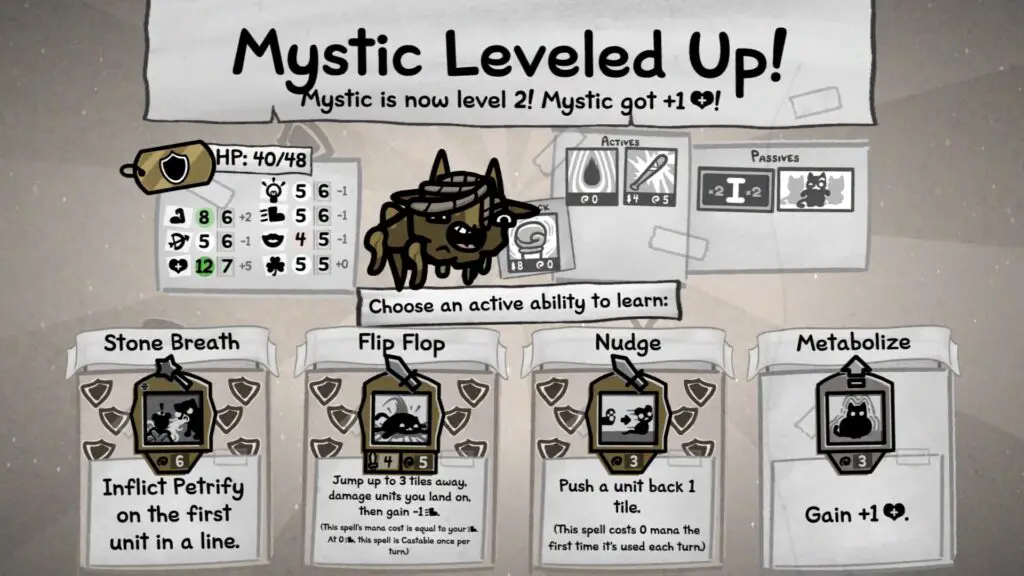
Success in Mewgenics requires weaponizing the absurdity. In one of my sessions, a cleric’s OCD-driven grooming was used to spread a contagious disease to enemies. In another, a set of plastic bottles combined with a chronically incontinent cat created an infinite source of healing. It is a masterclass in interactive storytelling where the player’s ability to adapt to bugs and features alike defines the experience.
The tone is equally volatile. It feels like a collision of body horror, theological themes, and early 2000s internet culture. While the juvenile humor might not be for everyone, it reflects a serious commitment to unique game design. This is most evident in the breeding systems.
The Mechanics of Cat Breeding
The scale of the breeding system is astonishing. Each pet is practically unique, with traits determining appearance, stats, and even a distinctive voice. When cats mate, their kittens inherit DNA and learned behaviors, creating a lineage that weaves through your entire save file.
Your control is deliberately limited. You can influence behavior with furniture or isolate groups in rooms, but the cats have minds of their own. They form unwanted relationships, fight, and create messes. Your role is that of a manager, nudging the gene pool toward stability while the AI generates unexpected synergies.
As you donate unwanted kittens to NPCs, you unlock deeper data—family trees, sexualities, and hidden stats. Mutations from adventures, like a cat returning from a “Junji Ito-style crevice” as a stretched-out monster, can be passed down to future generations, creating a specialized army of freaks for higher-level challenges.
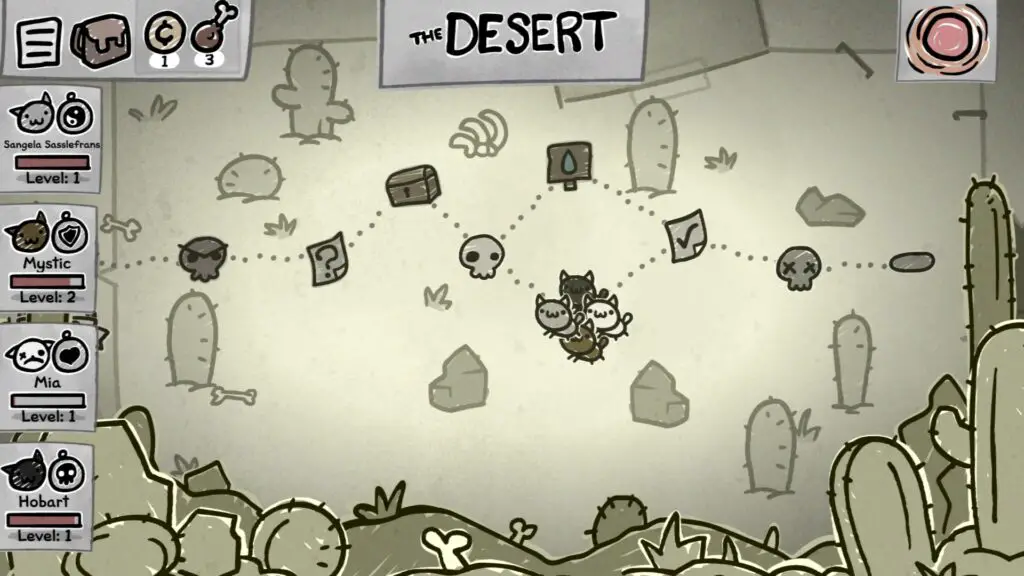
The game escalates beautifully. What starts as a simple scrap behind a dumpster evolves into epic quests in desert regions and surreal dimensions. The non-linear progression ensures high replayability, with modifiers and harder difficulties that keep the experience fresh well past the 100-hour mark.
From the catchy soundtrack by Ridiculon to the ultra-rare “cryptid” cats, Mewgenics is an unbelievably dense tapestry. It is arguably the most impressive work to date from one of the most iconic indie developers in the industry. Even after weeks of testing, I find myself eager to boot it up for “just one more run.”
The Verdict
Mewgenics Score: 92/100
Mewgenics is a landmark roguelike. It is a sprawling, ridiculous, and endlessly surprising digital odyssey that proves systemic chaos can be the most engaging form of entertainment.
Disclaimer: All content on Digital Tech Explorer is for informational and entertainment purposes only. We do not provide financial or legal advice.
Affiliate Disclaimer: Some of the links on Digital Tech Explorer are affiliate links. This means we may earn a commission if you click through and make a purchase, at no additional cost to you. Our recommendations are based on thorough research and personal experience.