
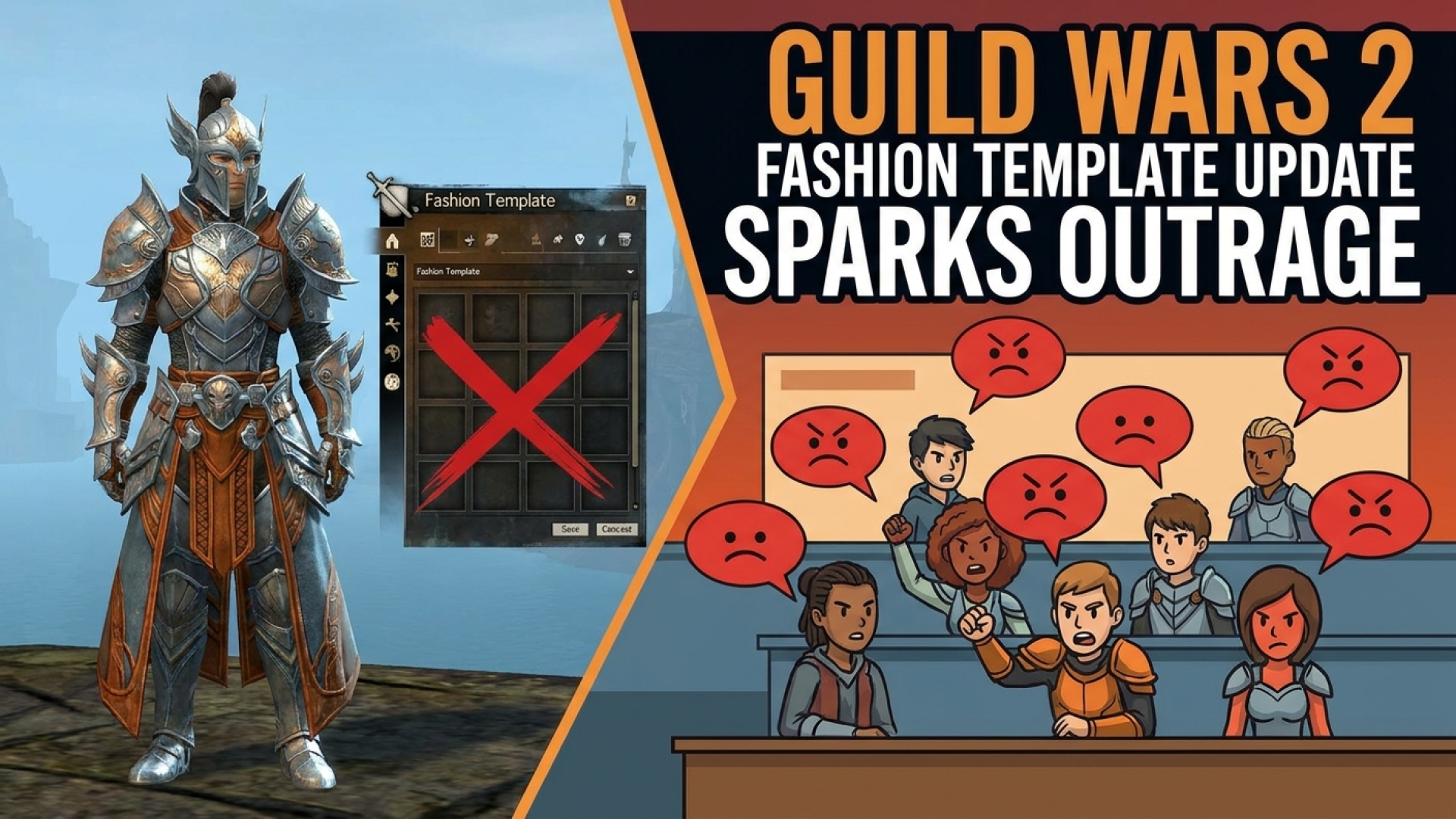
At Digital Tech Explorer, we often see how the bridge between complex software architecture and user experience can be a narrow one to walk. ArenaNet’s latest release for Guild Wars 2, the highly anticipated Raids and Wardrobe update, is a perfect case study in this tension. On paper, the update promised to streamline the player experience with a new raid quickplay option and a sophisticated wardrobe update. However, the introduction of the fashion template system has sparked a narrative of frustration rather than the intended celebration of digital innovation.
This release serves as the opening chapter of the “Visions of Eternity” expansion cycle. Breaking away from the tradition of massive annual content drops, this cycle prioritizes quality-of-life (QoL) additions and technical refinements, leaving new maps and story beats for later. But as TechTalesLeo often explores, the story of a software update is written by the users, and currently, the community feedback suggests the UX design might need a rewrite.
User Experience Friction: Mixed Reactions from the Community
Despite the developers’ goals of improving digital workflows, the Guild Wars 2 community has voiced significant concerns. The primary culprit is the sheer complexity of what should be a simple cosmetic change. When a system requires a 1,500-word official guide just to explain how to change a character’s skin, it signals a potential breakdown in intuitive design.
Social platforms like Reddit have become hubs for this critique. User u/imbir667 noted the absurdity of the manual’s length, while others compared it unfavorably to competitors. User u/sneaky-at-work highlighted that even FFXIV’s Glamour Plates, often criticized for being clunky, appear more streamlined than this new implementation. This sentiment—that the system is unnecessarily “ass”—is echoing across the veteran player base, overshadowing the technical achievements of the 2024 releases.
Deconstructing the New Fashion Template System
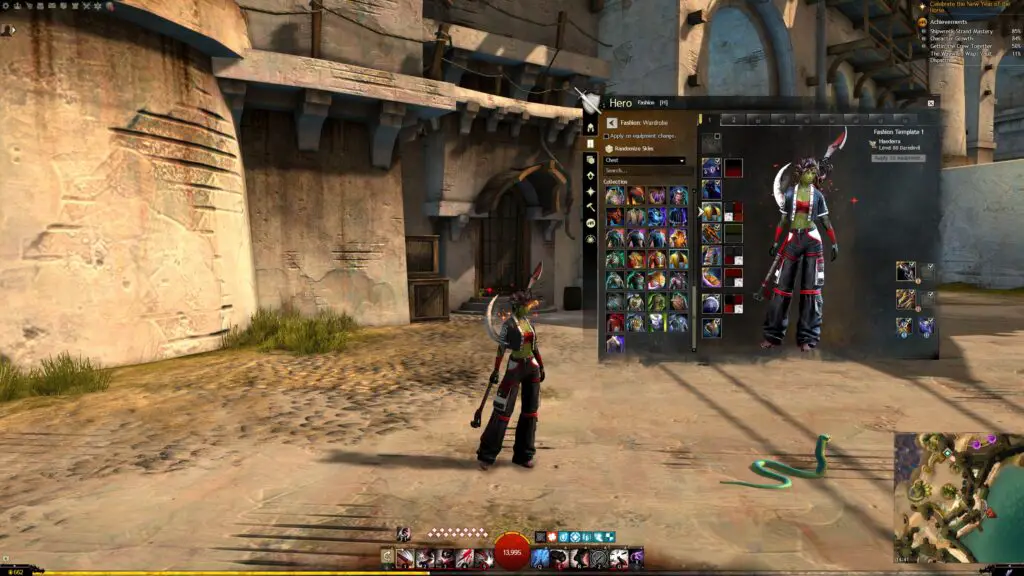
From a technical perspective, the previous transmogrification system was integrated directly into the equipment wardrobe. It was a linear process: apply a look, pay the transmutation charges, and save. The new system introduces a decoupled layer where players must build an outfit in a dedicated “fashion template” before applying it to their gear.
| Feature | Legacy System | New Template System |
|---|---|---|
| Integration | Directly tied to equipment pieces. | Separate “Fashion Layer” applied over gear. |
| Legendary Gear | Free, instant skin swaps per template. | Multi-step process to sync skins/dyes. |
| Workflow | Linear and intuitive. | Requires template management and “applying.” |
| Storage | Unlimited (per equipment slot). | Limited slots (2 default, others via Gems). |
Disadvantages for Power Users and Legendary Holders
Our research into the update reveals that veteran players—the “power users” of Guild Wars 2—are the ones feeling the most friction. Those who invested in legendary equipment previously enjoyed the ability to swap looks across multiple builds without cost or complexity. The new workflow adds several layers of UI management that feel like a step backward in usability:
- Navigate to the specific build’s equipment template.
- Open the new fashion tab wardrobe.
- Right-click the fashion template to “Get Equipped Fashion.”
- Manually adjust skins and dyes within the template.
- Commit the changes with the “Apply to equipment” button.
- Clear the template manually to avoid accidental “overwrites” later.
The Economics of Digital Customization
Perhaps the most controversial aspect is the monetization strategy. ArenaNet has provided only two fashion templates per account by default. For a game that many consider “Fashion Wars,” this is a strict limitation. Additional slots are priced at 600 gems each—roughly $10 for a pack of 800 gems. To the seasoned analyst, this feels less like a quality-of-life improvement and more like a microtransaction pivot. By restricting a system that was previously more flexible, the update risks devaluing the time and money veteran players have already poured into the game.
Conclusion: A Misstep in Digital Innovation?
The storytelling of Guild Wars 2 has always been its strength, but the narrative surrounding this update is currently one of missed opportunities. Between the clunky fashion UI and a raid quickplay system that many find confusing, ArenaNet is facing a rare moment of community pushback. For a developer that has recently enjoyed high praise for its expansion content, this “quality of life” patch is a reminder that in the world of tech and gaming, even the best intentions can fail if the user experience isn’t the top priority.
As we continue to monitor these emerging technology trends, it remains to be seen if ArenaNet will iterate on this feedback or maintain the current course. For more in-depth tech analysis and gaming news, keep exploring with TechTalesLeo here at Digital Tech Explorer.