The announcement of an HBO television adaptation based on Baldur’s Gate 3 has ignited a complex debate within the gaming community. At Digital Tech Explorer, we’ve tracked how Larian Studios redefined the modern RPG, making this move by Hasbro—the parent company of Wizards of the Coast—both a massive opportunity and a potential narrative minefield. While a sequel to the 2023 Game of the Year is likely inevitable, the leap to a linear medium like television presents a unique set of challenges for a franchise built on infinite possibilities.
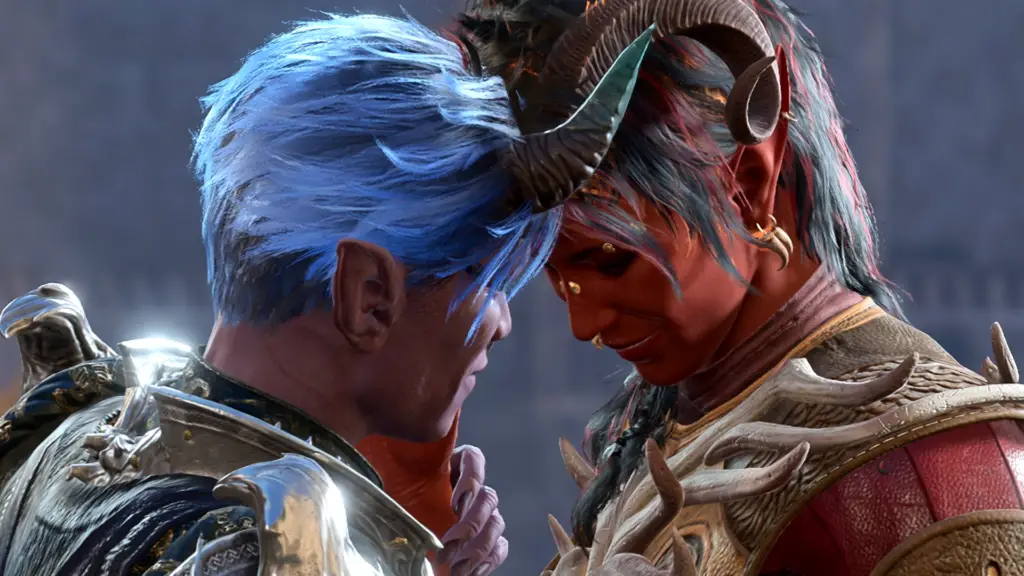
The expansive world of the Forgotten Realms presents a challenge for linear storytelling.
The Paradox of Canon in Player-Driven Narratives
As a storyteller, I find the concept of “canon” in Dungeons & Dragons to be a fascinating technical hurdle. Unlike traditional media, D&D is a player-driven experience. In the digital architecture of complex gaming systems, the story isn’t just what the writers put on the page; it’s what the player does with those tools.
Every journey through the Forgotten Realms in BG3 is a unique data set of choices. For one player, a heroic Bard might be the savior of the Absolute; for another, a ruthless Dark Urge might leave a trail of destruction. By moving to HBO, the production must select a single “true” path. This effectively creates a rigid canon that may conflict with the personal narratives millions of players spent hundreds of hours “coding” through their gameplay decisions.
Linear TV vs. Interactive RPG: A Technical Comparison
Feature
Baldur’s Gate 3 (Game)
HBO Adaptation (TV Show)
Narrative Agency
High: Player dictates the outcome.
None: Fixed script and linear plot.
Character Arc
Dynamic: Based on relationship points.
Static: Defined by showrunners.
Canon Status
Fluid: Multiple valid endings.
Concrete: One definitive timeline.
Core Engagement
Problem-solving and tactical combat.
Passive consumption and cinematography.
The Dilemma of the “Concrete Story”
The fundamental friction lies in the need for a definitive narrative. When a production company like HBO steps in, they must choose one protagonist, one set of companions, and one series of moral choices. This prospect generates a protective instinct among the fanbase. Larian’s lead writer, Adam Smith, has noted the difficulty of handing over characters that the team spent years meticulously crafting. For many of us at Digital Tech Explorer, the characters aren’t just NPCs; they are the result of an intricate web of digital innovation and personal investment.
“It’s going to tell a concrete story with our characters, and I feel really weird about that.” — Adam Smith, Lead Writer at Larian Studios.
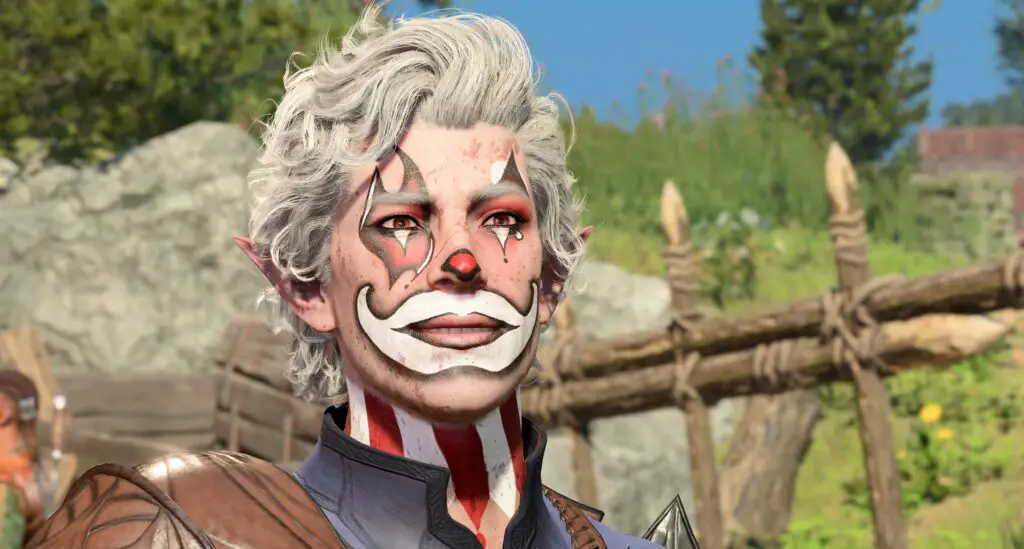
The sprawling city of Baldur’s Gate is a testament to Larian’s world-building.
Navigating the “Cynical Tie-In” Trap
Current reports suggest the show might follow a new party of adventurers, with the original Baldur’s Gate 3 cast appearing in cameos. This is a delicate balance. There is a fine line between a meaningful expansion of the lore and a cynical attempt to leverage a popular brand. In the world of tech and digital media, we often see “brand-washing,” where the soul of a product is diluted to appeal to a broader, non-specialized audience.
The success of Amazon’s Fallout series provides a potential roadmap. By setting the story in a new location and timeframe, it avoided overwriting the player’s history in the games. If HBO can treat the source material as “narrative soil” rather than a strict script to be mimicked, there is a chance for success.
The Human Touch in Digital Storytelling
One reason BG3 resonated so deeply was the personal touch Larian infused into every line of code. From the protagonist’s default name, Gustav (named after CEO Swen Vincke’s dog), to the nuanced performance capture, the game felt like a passion project. Larian’s publishing lead, Michael Douse, hit the nail on the head when he stated that it would be difficult for external writers to “trump” the original team.
As we look toward upcoming releases and the evolution of the Baldur’s Gate IP, the priority must remain on preserving the integrity of the storytelling. Whether through AI-enhanced procedural narratives or traditional scripts, the goal is the same: making technology and stories accessible without losing their heart.
Conclusion: A Cautious Outlook
At Digital Tech Explorer, we remain cautiously optimistic. With talents like Craig Mazin (The Last of Us, Chernobyl) potentially involved, the technical execution will likely be top-tier. However, the true test will be whether the show can capture the “magic” of a D&D session—the feeling that anything can happen and every choice matters. For many, the definitive version of this story has already been written by the players themselves. Perhaps the best path forward isn’t a TV screen, but the eventual development of a next-gen sequel where we can once again take the lead.
For more in-depth analyses of gaming trends and tech innovation, follow TechTalesLeo on Digital Tech Explorer.