

In the ever-evolving narrative of digital innovation, Apple has stumbled upon a plot twist that even their seasoned strategists didn’t fully anticipate. The new MacBook Neo is currently performing so well in the market that the tech giant is facing a “massive dilemma”: they are rapidly running out of the very chips that made the device possible. Here at Digital Tech Explorer, we often see hardware successes, but the Neo’s trajectory highlights a deeper hunger in the tech community for devices that balance performance with genuine affordability.
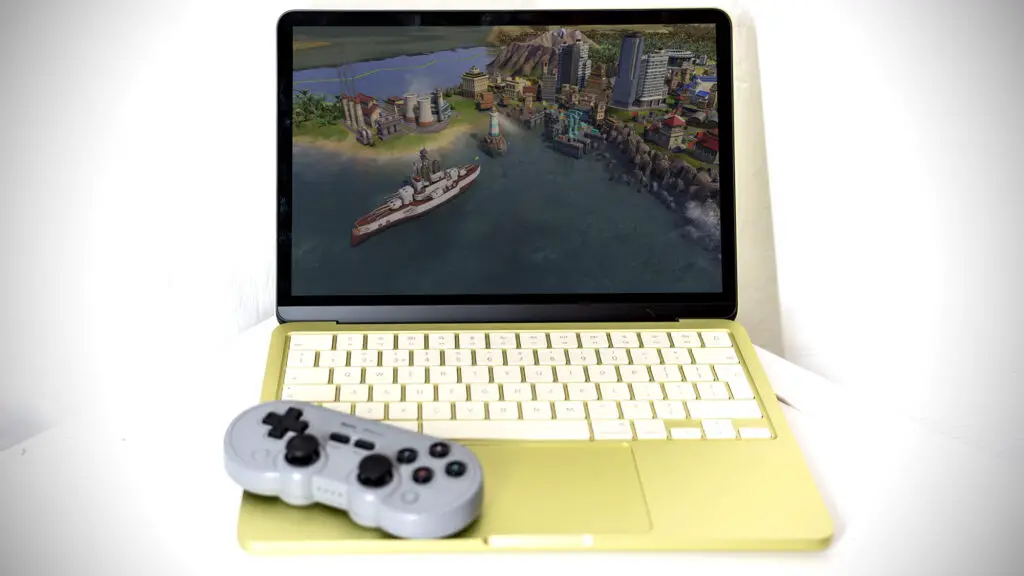
The A18 Pro Predicament: Success by Accident?
According to reports from Taipei-based tech journalist Tim Culpan, Apple’s initial roadmap for the MacBook Neo was conservative. The company planned to produce roughly five to six million units, primarily utilizing “binned” A18 Pro chips. In the world of hardware manufacturing, binning is the process where chips that don’t meet the full specifications for flagship devices (like the iPhone 16 Pro) are repurposed. By disabling one of the six GPU cores, Apple turned potential waste into the heart of a budget-friendly powerhouse.
However, the demand has been so staggering that this stockpile of “effectively free” silicon is depleting faster than the next generation—the A19—can be prepared. This leaves Apple at a crossroads: do they pay TSMC for a fresh, expensive batch of older architecture, or do they risk a supply gap? It is a fascinating look at how a product designed for the “entry-level” has managed to outshine its more expensive siblings by focusing on what users actually need: efficiency and value.
Bridging the Gap: Neo vs. The PC Gaming Landscape
As a storyteller in the tech space, I find the parallel between the MacBook Neo and the PC gaming market striking. For years, PC enthusiasts have looked toward the Steam Deck as the gold standard for accessible innovation. It wasn’t about having the highest TFLOPS; it was about the experience. The Neo is capturing that same lightning in a bottle for the general computing world.
| Feature | Apple MacBook Neo | Steam Deck (OLED) |
|---|---|---|
| Core Philosophy | Efficiency & Ecosystem | Portability & Openness |
| Chip Architecture | A18 Pro (ARM-based) | AMD APU (x86-based) |
| Market Target | Students & Mobile Pros | Core & Casual Gamers |
| Success Factor | Price-to-Performance Ratio | UI Polish & Library Access |
The Missing Middle in Gaming Hardware
While Apple finds success in the “simple and effective” category, the broader GPU and handheld market seems to be moving in the opposite direction. We are seeing a glut of premium handhelds that, while powerful, carry price tags that rival high-end gaming laptops. Sony’s recent move to push the PlayStation brand upmarket with the PS5 Pro further highlights this divide.
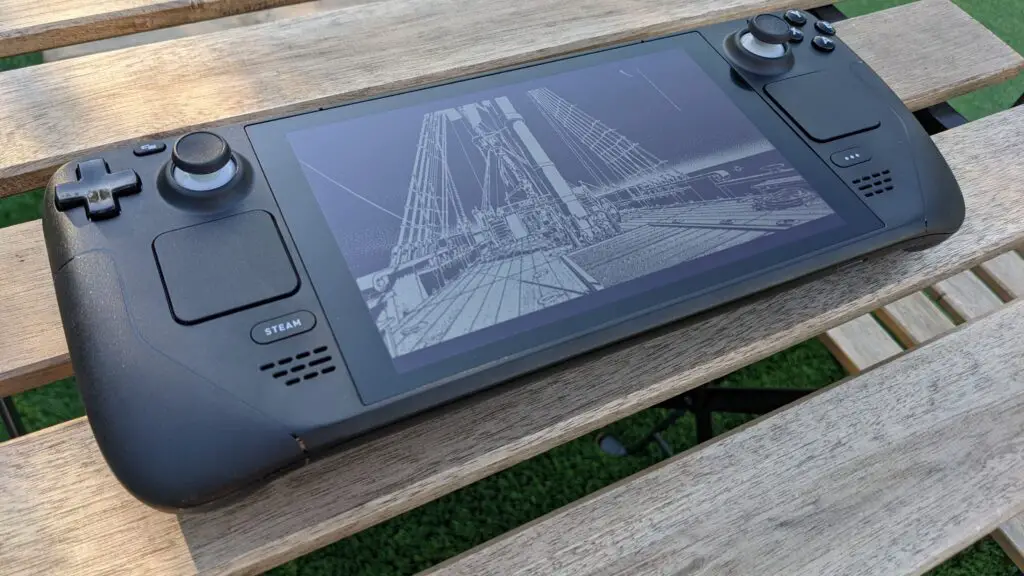
There is a clear opening for a device that offers a “Switch 2” level of simplicity but within the PC ecosystem. While rumors of Nvidia’s AI-accelerated N1X ARM chip provide some hope, the industry’s current fixation on high margins often leaves the budget-conscious consumer behind. The ongoing memory crisis only complicates this, as rising costs for RAM and storage make “cheap” hardware increasingly difficult to manufacture.
Final Thoughts from the Explorer
The MacBook Neo’s “dilemma” is a lesson for the entire tech industry. It proves that when you stop chasing the ceiling of performance and start focusing on the floor of usability and price, the audience will follow. Whether it is Valve’s potential Steam Machine revival or a future gaming-focused ARM laptop, the blueprint for success is clear: make it accessible, make it reliable, and keep it simple.
For more deep dives into the latest hardware trends and digital storytelling, stay tuned to Digital Tech Explorer. We’ll be watching closely to see if Apple can resolve its chip shortage—and if the PC world finally takes the hint.
Disclaimer: All content on Digital Tech Explorer is for informational and entertainment purposes only. We do not provide financial or legal advice.
Affiliate Disclaimer: Some of the links on Digital Tech Explorer are affiliate links. This means we may earn a commission if you click through and make a purchase, at no additional cost to you. Our recommendations are based on thorough research and personal experience.