
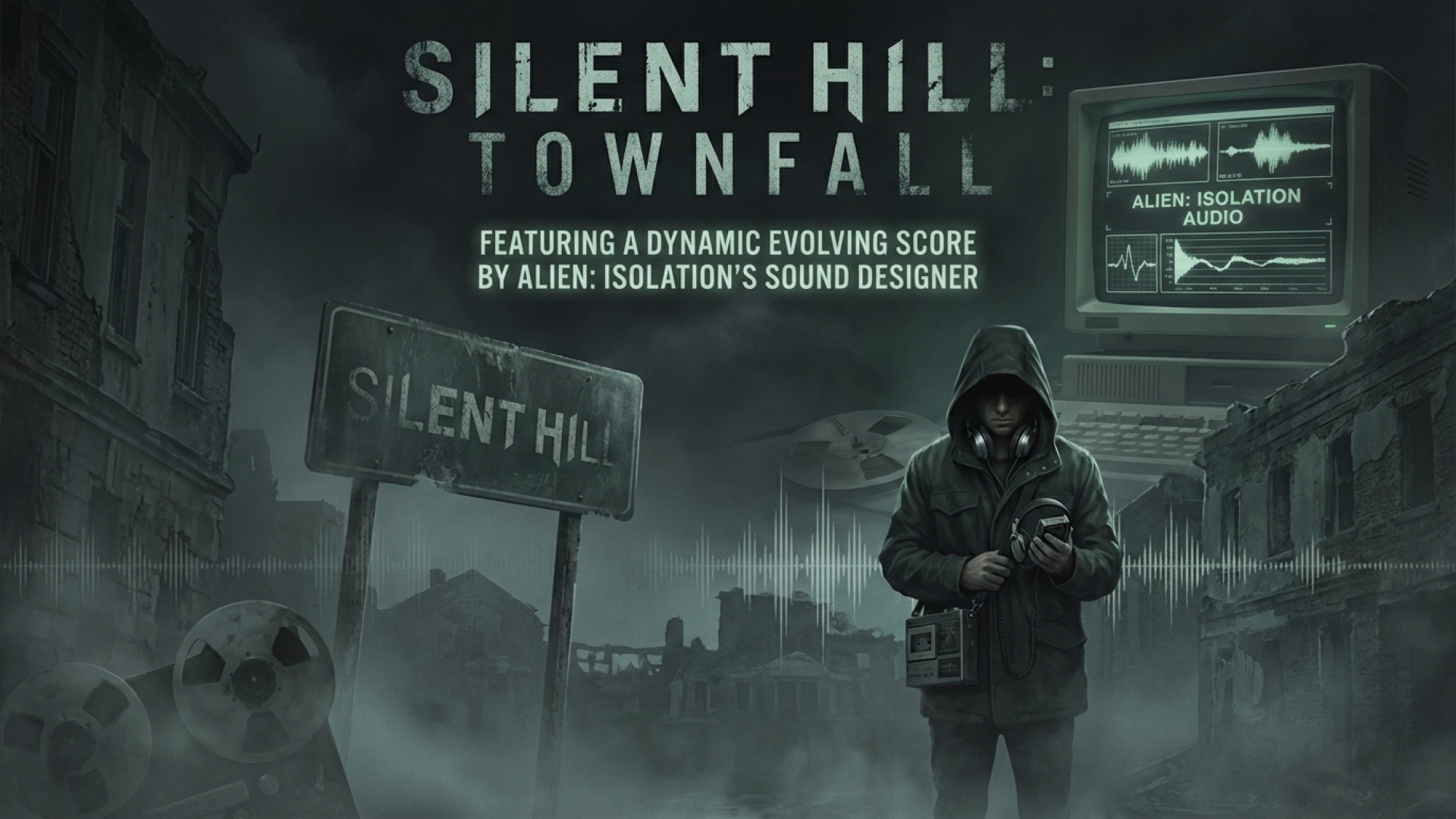
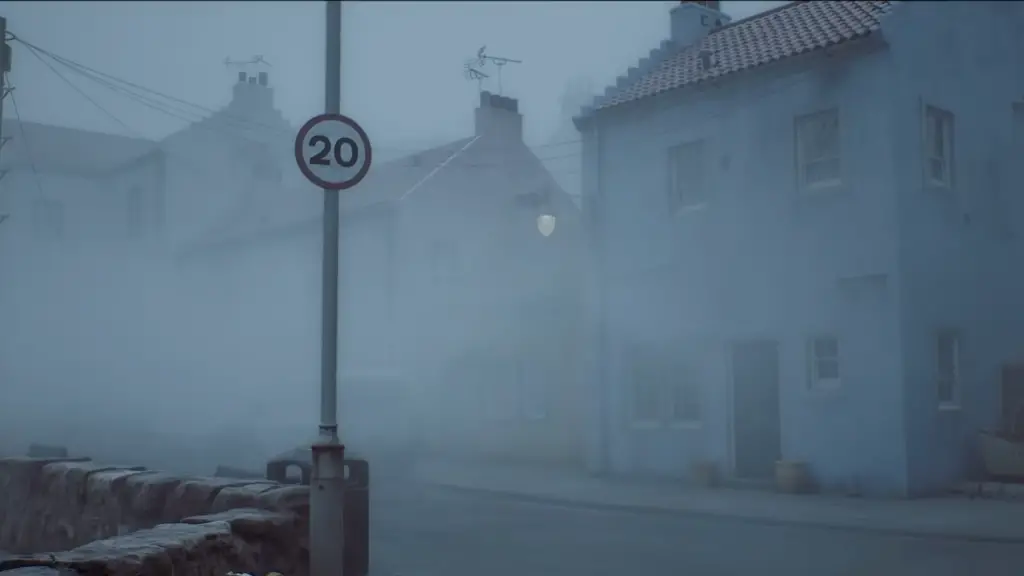
The fog is rolling in once again, but this time, the terror is as much in the ears as it is in the eyes. Silent Hill: Townfall recently debuted its first full-length trailer, offering a chilling glimpse into St. Amelia—the series’ newest cursed locale. While the salt-crusted beachfront and familiar grey haze set a grim scene, it is the sombre, imposing musical score that truly anchors the experience. Composed by Anthony Scott Burns, known in the electronic music world as Pilotpriest, the soundtrack marks a sophisticated fusion of traditional horror and modern audio engineering.
Jon McKellan, Creative Director at No Code, shared his enthusiasm for the collaboration in a recent development update. “When I first met with our composer-to-be, we clicked immediately,” McKellan noted. “As a true fan of the franchise, our initial conversations were hours of excited discussions about the series’ legacy and how we could evolve that sound for Townfall.” At Digital Tech Explorer, we often see how the right technical synergy can elevate a digital product from good to legendary, and this partnership seems to hit all the right notes for gaming enthusiasts.
McKellan emphasizes that Pilotpriest brings more than just musical talent to the table; his background as a film director and visual artist allows him to compose “visual music.” This multi-disciplinary approach ensures the audio magnifies the gameplay experience, creating a visceral sense of dread that stays with the player long after the screen goes dark.
Engineering Terror: Pilotpriest’s Homage to Yamaoka
As a storyteller in the tech space, I find the evolution of sound design fascinating. Pilotpriest’s directorial credits, including Our House and Lost Boy, demonstrate a keen eye for atmospheric tension. However, his work on Silent Hill: Townfall is deeply rooted in his long-standing respect for Akira Yamaoka, the original architect of the series’ sound.
Reflecting on his first encounter with the series, Pilotpriest recalls being struck by how much of the primal terror originated from the score. “Yamaoka-san’s soundscape of ethereal drones, hypnotic melodies, and stark industrial percussion didn’t just support the world on screen; it defined it,” he explained. For Townfall, he aims to replicate that “dirt-laden frequency” while utilizing modern software tools to push the boundaries of what horror sounds like in 2024 and beyond.
The creative process has been remarkably fluid. Pilotpriest described the project as the most natural collaboration of his career, where artistic decisions often stem from shared instinct rather than long boardroom discussions. This alignment in tone and intent is crucial for delivering the authentic psychological horror that fans of PC games and consoles expect from the brand.
The Arrival of Dynamic Audio Systems
Beyond the melodies, the technical implementation of sound in Townfall is being handled by industry heavyweights. No Code has partnered with acclaimed sound designer Byron Bullock and his team at Arrival. Bullock’s resume reads like a “Who’s Who” of atmospheric masterpieces, including Ghost of Yotei, Helldivers 2, Dead Space, and Control.
Arrival’s role is that of a “co-dev partner,” managing everything from foley and sound effects to a complex dynamic score system. Unlike static soundtracks of the past, this system evolves in real-time based on player and enemy actions. By working closely with Pilotpriest, Bullock’s team ensures that every dynamic loop and stinger reacts to the player’s heartbeat, effectively turning the audio into a living participant in the game.
Lessons from Alien: Isolation
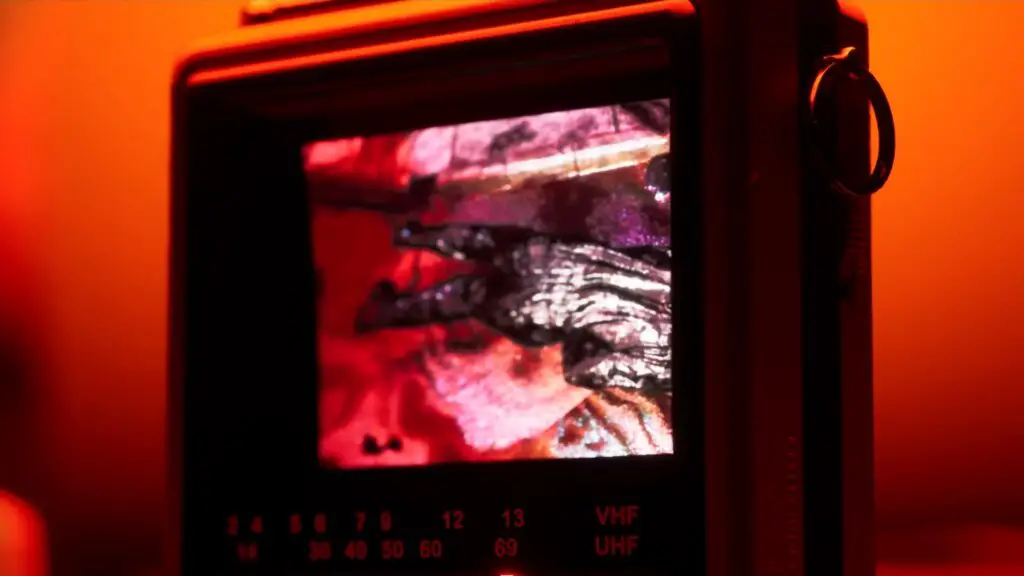
The pedigree behind Townfall’s audio is particularly exciting because of Bullock’s previous work on Alien: Isolation. That title is legendary in tech circles for its groundbreaking sound design, where creaks, hums, and distant howls were used to manipulate the player’s psychological state. The ability to make a player believe a threat is closing in—even when it isn’t—is a feat of pure audio engineering. We expect this same level of sophisticated “trickery” to be a cornerstone of the St. Amelia experience.
Setting a New Standard for Horror Audio
The reunion of McKellan and Bullock, coupled with the fresh perspective of Pilotpriest, suggests that Silent Hill: Townfall is being built on a foundation of both friendship and technical mastery. As McKellan puts it, “It felt like getting the band back together.”
As we continue to track the latest in AI-accelerated audio and digital innovation here at Digital Tech Explorer, we look forward to hearing more of what this talented team produces later this year. For now, the “Home” trailer serves as a haunting reminder that in Silent Hill, the things you hear are just as dangerous as the things you see.
Disclaimer: All content on Digital Tech Explorer is for informational and entertainment purposes only. We do not provide financial or legal advice. Some of the links on Digital Tech Explorer are affiliate links. This means we may earn a commission if you click through and make a purchase, at no additional cost to you. Our recommendations are based on thorough research and personal experience.