
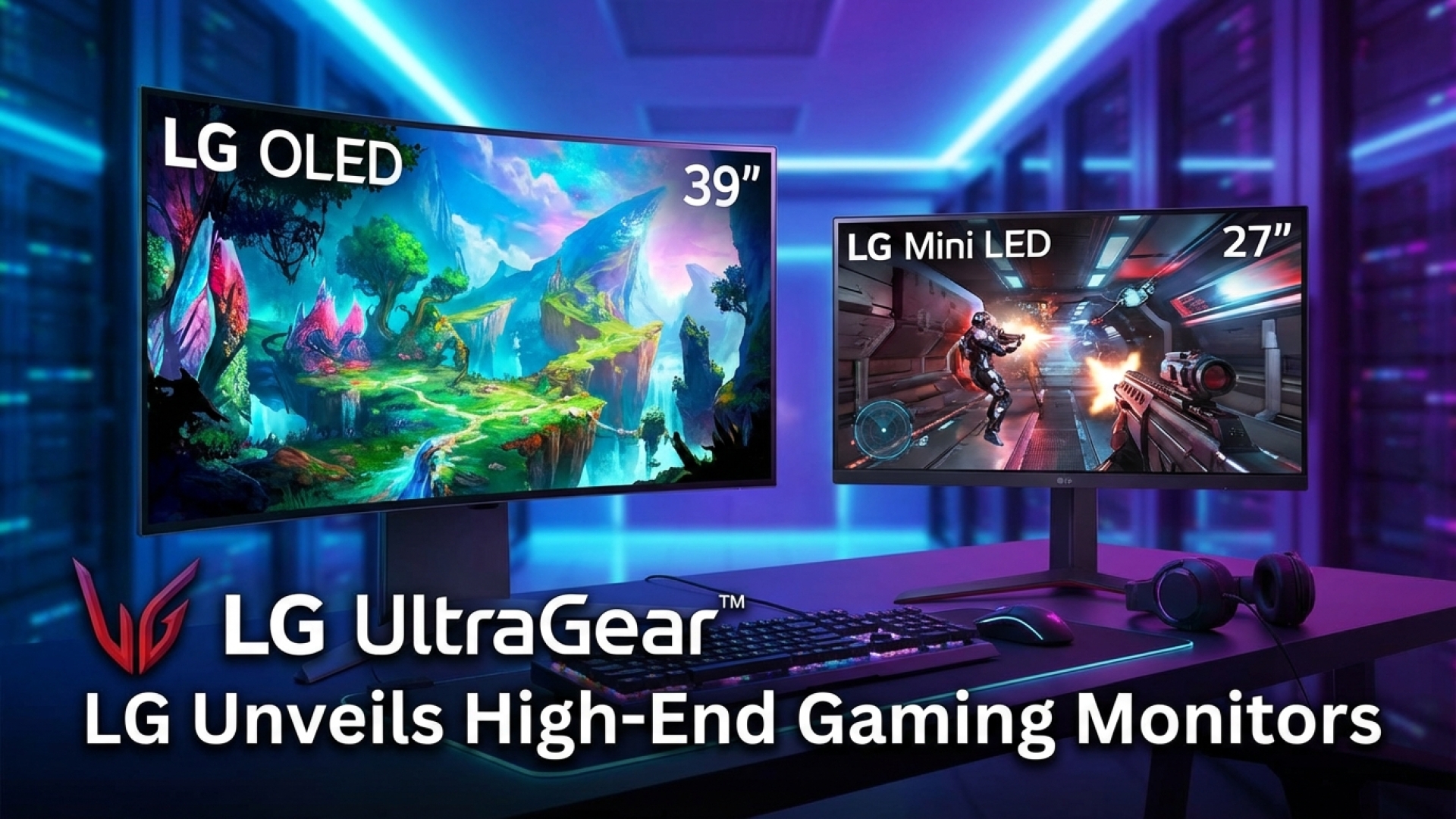
At Digital Tech Explorer, we are always on the lookout for hardware that pushes the boundaries of performance and visual fidelity. LG has recently raised the bar for high-end gaming peripherals, unveiling two powerhouse displays designed for both competitive players and tech enthusiasts: the 39-inch UltraGear Evo GX9 OLED and the IPS-based 27-inch UltraGear Evo GM9. Priced at $1,800 and $1,200 respectively, these monitors represent a significant leap in display technology.
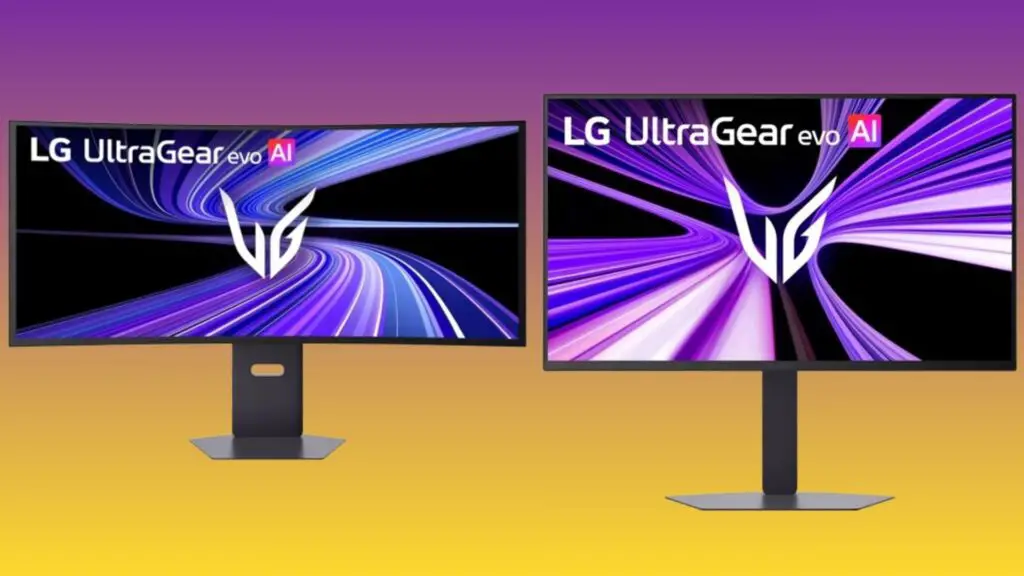
The LG UltraGear Evo GX9 OLED: A Narrative of Speed and Clarity
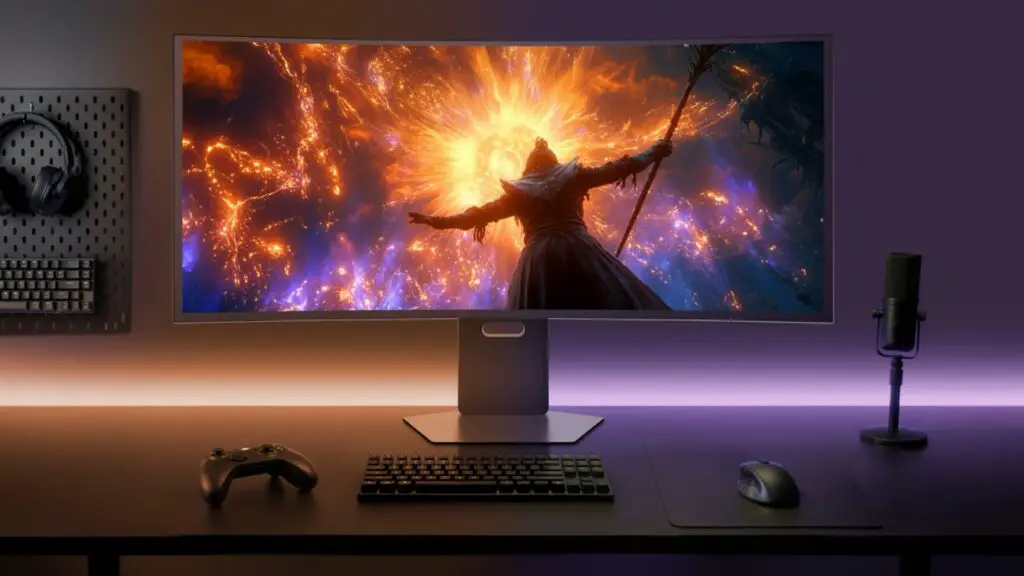
The LG 39-inch UltraGear Evo GX9 OLED arrives as the world’s first 39-inch 5K2K curved OLED monitor. For those of us who prioritize high-resolution clarity, the 5120 x 2160 resolution paired with a 1500R curve provides an unparalleled level of immersion. With a 21:9 ultrawide format and a pixel density of 143 PPI, the GX9 is as much a productivity beast for hardware enthusiasts as it is a gaming titan.
Technologically, it utilizes 4th Gen Primary RGB tandem technology to reach a typical brightness of 335 nits. However, the real story for competitive players is the 0.03 ms response time and its “dual mode” functionality. This allows users to pivot between a high-detail 5K2K setting at 165 Hz and a performance-focused 1440p mode at a blistering 330 Hz. Whether you are exploring vast open worlds or climbing ranks in a tactical shooter, the GX9 adapts to your narrative.
The LG UltraGear Evo GM9: Mini LED Excellence
If you prefer the reliability of IPS technology without the risk of OLED burn-in, the LG 27-inch UltraGear Evo GM9 is a masterclass in modern display engineering. Utilizing Hyper Mini LED technology, this 27-inch display offers a sharp 5120 x 2880 resolution. By leveraging thousands of tiny LEDs, the GM9 achieves a peak brightness of 1,250 nits and carries the VESA Display HDR 1000 certification.
While its 1 ms response time is slightly slower than its OLED sibling, the GM9 excels in color vibrancy and sustained brightness. It also features the versatile dual mode system and supports both G-Sync and FreeSync, ensuring that PC games remain smooth and tear-free regardless of your GPU choice.
Technical Comparison: GX9 OLED vs. GM9 IPS
Choosing between these two depends on your specific needs as a developer or gamer. Below is a breakdown of how these two flagship models compare:
| Feature | UltraGear Evo GX9 (OLED) | UltraGear Evo GM9 (IPS) |
|---|---|---|
| Display Size | 39-inch (Curved 1500R) | 27-inch (Flat) |
| Panel Type | OLED | Hyper Mini LED (IPS) |
| Resolution | 5120 x 2160 (5K2K) | 5120 x 2880 (5K) |
| Refresh Rate | 165Hz (5K2K) / 330Hz (1440p) | Dual Mode Support |
| Response Time | 0.03 ms (GtG) | 1 ms (GtG) |
| Peak Brightness | 335 nits (Typical) | 1,250 nits |
The Impact of AI and Machine Learning in Modern Displays
LG is not just relying on raw hardware; they are integrating AI to optimize the user experience. Both monitors feature AI acceleration for upscaling, helping content reach the native 5K resolution with minimal artifacts. Furthermore, intelligent AI Sound and Scene Optimisation work in the background to analyze content in real-time, adjusting audio profiles and visual settings automatically. This focus on machine learning ensures that the monitor evolves with the media you consume.
Availability and Launch
The LG UltraGear Evo GX9 OLED and GM9 IPS are currently open for preorder, with the initial window closing on May 3. General availability and shipping are scheduled to begin on May 7. For tech enthusiasts looking to stay ahead of the curve, these monitors offer a glimpse into the future of high-performance digital displays.
Affiliate Disclaimer: Some of the links on Digital Tech Explorer are affiliate links. This means we may earn a commission if you click through and make a purchase, at no additional cost to you. Our recommendations are based on thorough research and the personal expertise of authors like TechTalesLeo.