
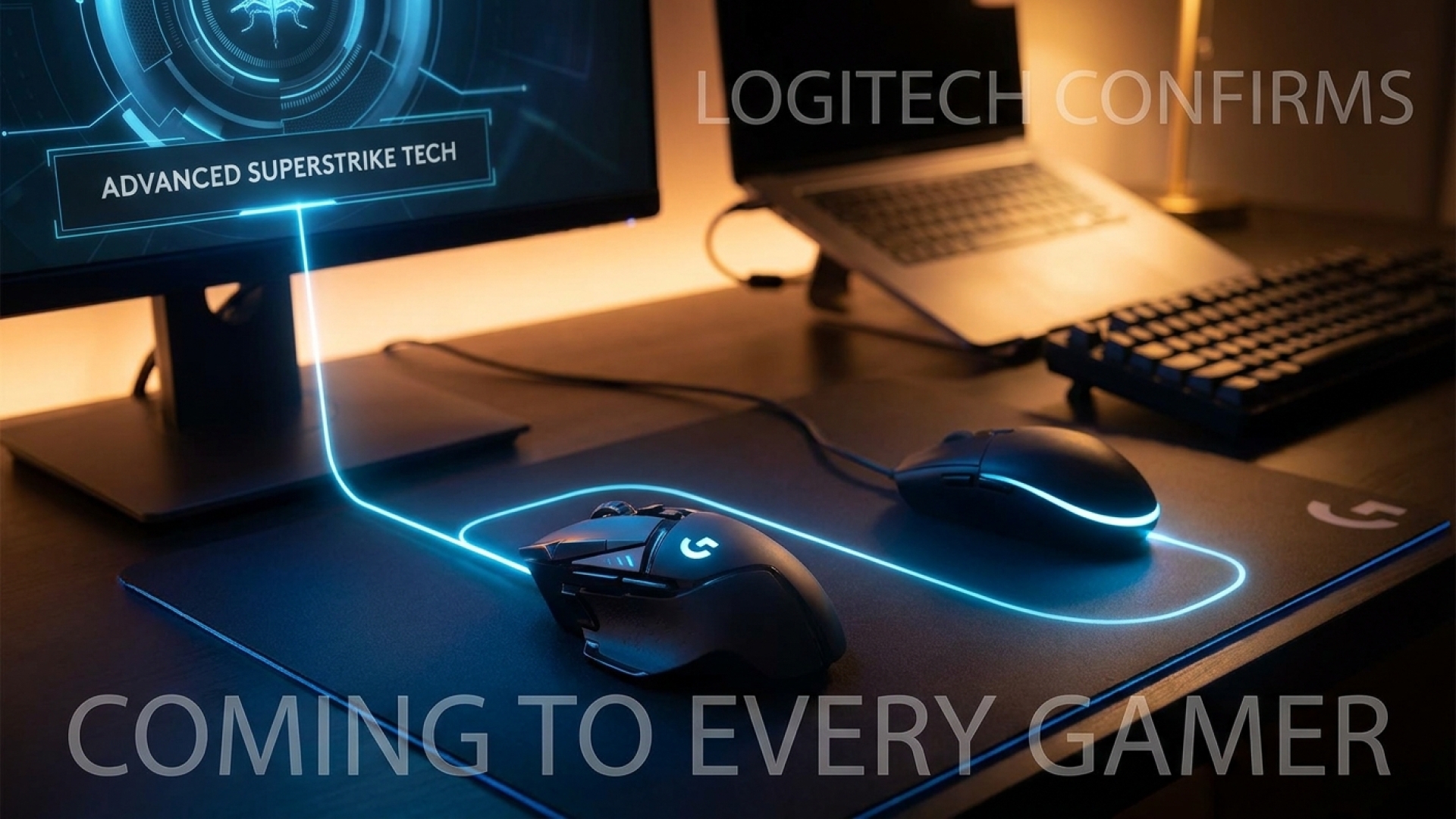
At Digital Tech Explorer, we are always on the lookout for innovations that redefine the user experience. The Logitech G Pro X2 Superstrike is a prime example of such a shift, poised to revolutionize the gaming mouse market. By leveraging inductive tech, this peripheral introduces features like rapid trigger and adjustable actuation—capabilities previously reserved for high-end Hall effect hardware. This leap in engineering significantly slashes the latency between a physical click and your in-game response, bolstered by immersive haptic feedback for a truly tactile connection.
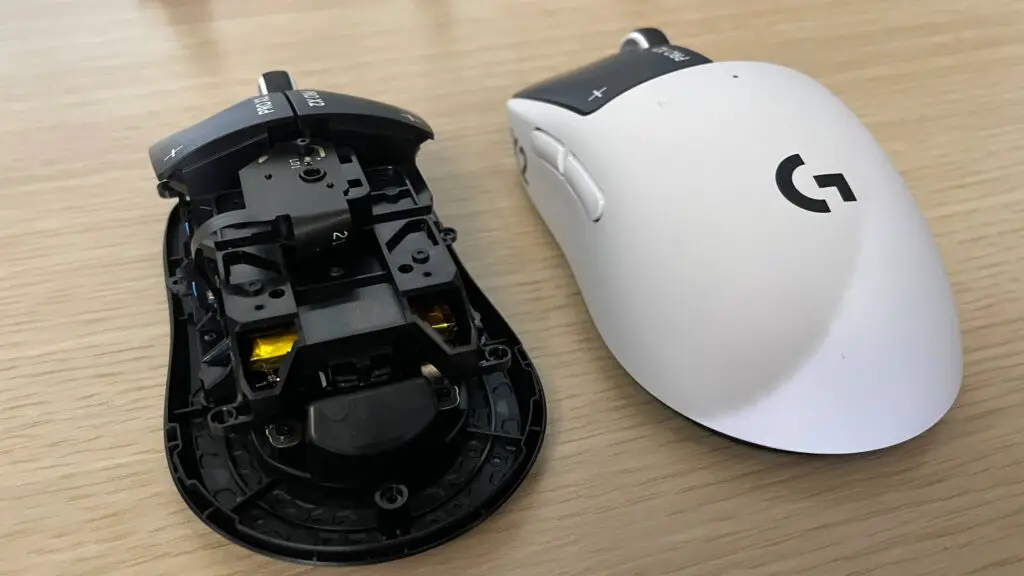
As a storyteller in the tech space, I’ve seen many “game-changers” come and go, but experiencing the Superstrike firsthand left a lasting impression. However, innovation carries a premium. Launching at $180 / £160, it sits atop the price ladder, even surpassing the Razer DeathAdder V4 Pro. For many PC gamers, this raises a critical question: will these competitive advantages remain locked behind a high paywall, or is there hope for the broader community?
During my visit to Logitech’s research facilities in Switzerland, I sought to bridge the gap between this elite technology and everyday usability. While the Superstrike represents the “bleeding edge,” the roadmap for this technology suggests a much more inclusive future.
The Roadmap to Accessible Inductive Technology
I spoke directly with Regis Croisonnier, Logitech G’s Head of Engineering, regarding the potential for these advancements to “trickle down” to more affordable product lines. His outlook was optimistic, noting that while high-end products serve as the starting point, the ultimate goal is to refine the manufacturing process until it can be integrated into mainstream gear.
“No doubt,” Croisonnier remarked. “We learn, we improve. You know, the old technologies start with the high end. And slowly but surely, you can put the technology in the other hand.” This confirms that the latency-reducing inductive tech found in the Superstrike will eventually become a staple in budget-friendly alternatives.
This trajectory mirrors the evolution of Hall effect components. Once a luxury feature in custom keyboards, Hall effect switches are now found in accessible options like the Gamakay x NaughShark NS68, which retails for roughly $40. Inductive switches may even have an advantage here; industry leaders like Cherry have noted that inductive switches are actually more cost-effective to produce than traditional mechanical or Hall effect switches because they require fewer individual magnets and less complex assembly.
| Feature | Traditional Mechanical | Inductive (Superstrike) |
|---|---|---|
| Latency Reduction | Standard | Up to 30ms Improvement |
| Actuation | Fixed | Adjustable |
| Feedback | Auditory/Tactile | Haptic Integration |
| Internal Components | Springs/Contacts | Microcontroller/Inductive Coil |
“I think Superstrike is a good example where we came with a new technology, helping us to save 30 milliseconds,” Croisonnier explained, highlighting the tangible performance gains for players.
At Digital Tech Explorer, we believe that understanding the “why” behind the “what” is essential for staying ahead of trends. While the initial investment for the Logitech G Pro X2 Superstrike is significant, the underlying shift toward inductive sensors promises a future where professional-grade performance is accessible to all. It is a space we will continue to monitor closely as the 2024 releases continue to push the boundaries of what is possible.
For more insights on digital innovation and product analyses, visit TechTalesLeo’s author page.
Disclaimer: All content on Digital Tech Explorer is for informational and entertainment purposes only. We do not provide financial or legal advice. Some of the links on Digital Tech Explorer are affiliate links. This means we may earn a commission if you click through and make a purchase, at no additional cost to you. Our recommendations are based on thorough research and personal experience.