
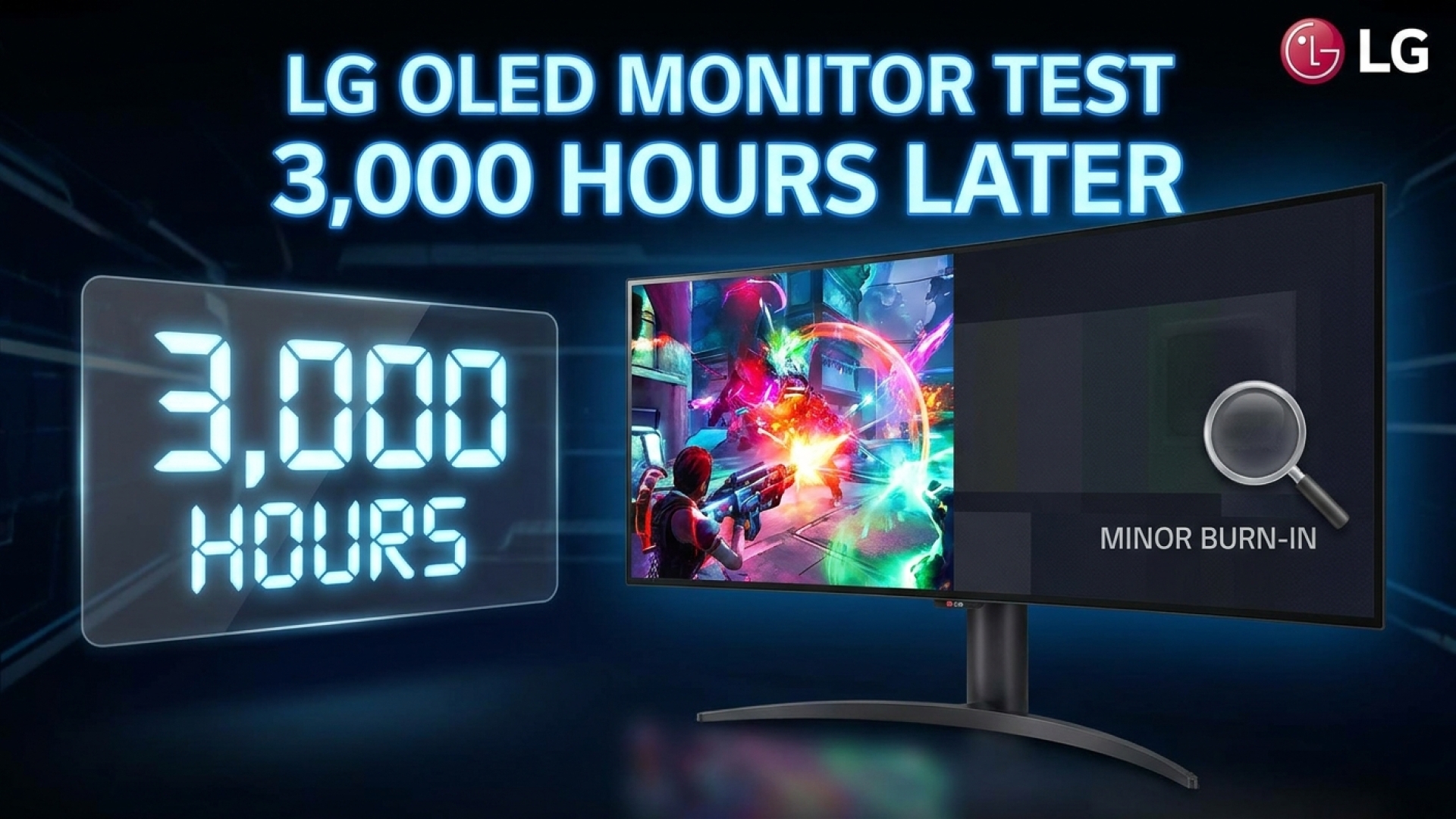
The specter of OLED burn-in has long been the primary deterrent for enthusiasts looking to upgrade their gaming hardware. For years, the fear of permanent image retention has loomed over the vibrant colors and deep blacks that define the technology. However, a recent and rigorous 3,000-hour assessment provides compelling evidence that these concerns may finally be a thing of the past for the average user.
Here at Digital Tech Explorer, we prioritize real-world testing and transparency. After analyzing the results from an extensive two-year trial conducted by the popular tech channel “Optimum,” the narrative surrounding OLED technology is shifting from one of fragility to one of impressive resilience.
The 3,000-Hour WOLED Stress Test
The test focused on a 32-inch 4K resolution LG WOLED panel, specifically the LG UltraGear 32GS95UV. This model shares its DNA with the highly acclaimed LG UltraGear 32GS95UE, known for its unique dual-mode functionality. Over the course of 24 months, the monitor was subjected to a realistic but demanding workload, including high-end PC gaming and professional content creation.
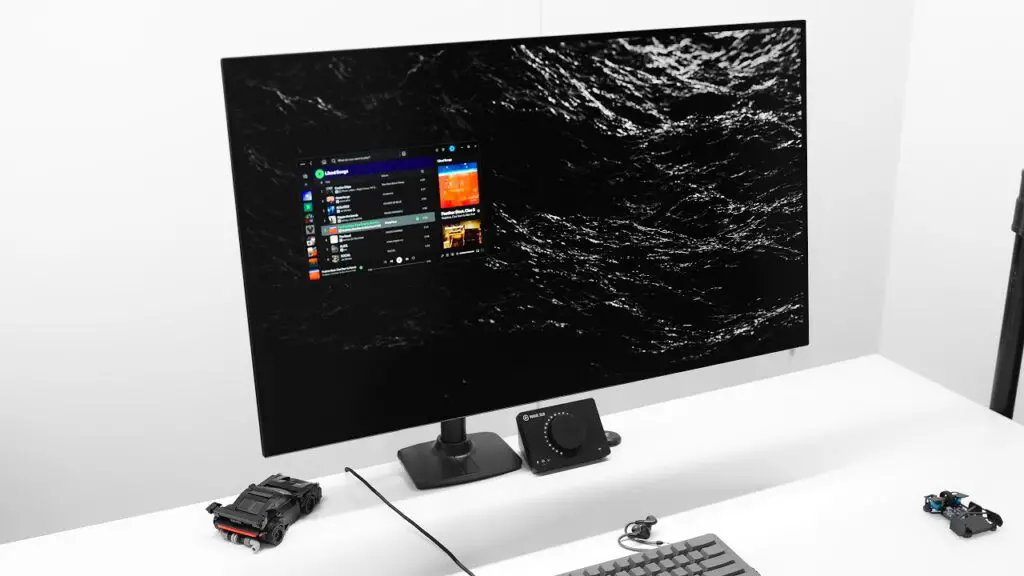
To simulate a “worst-case” scenario for a standard user, the panel brightness was maintained between 80% and 100%. While Windows was kept in dark mode and the taskbar was set to auto-hide, no other aggressive preventative measures were taken. Pixel shifting and manual screen dimming were ignored, allowing the monitor’s default factory protections to do the heavy lifting.
Analyzing the Results: Is Burn-In Visible?
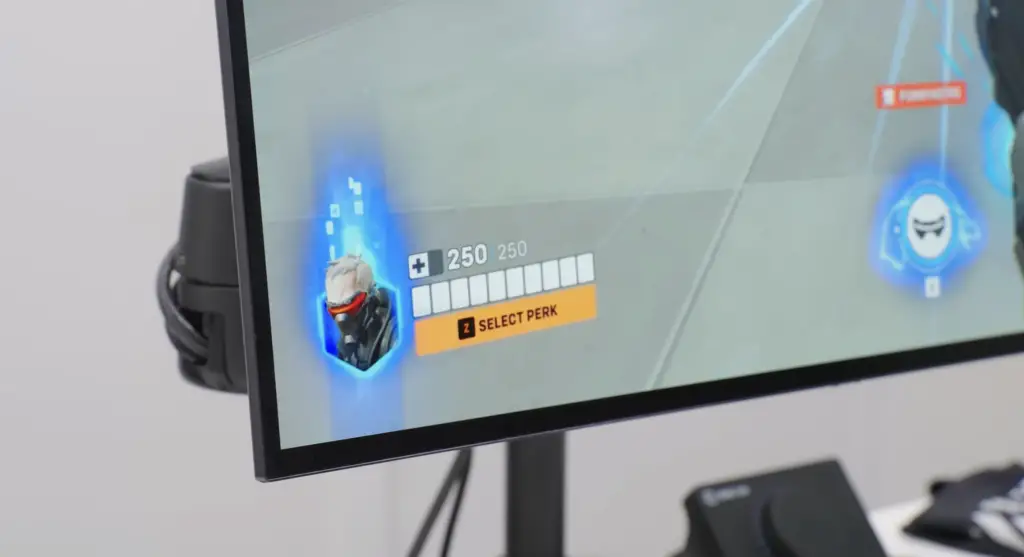
To detect any degradation, the panel was inspected using solid dark grey images—a method designed to highlight even the slightest pixel inconsistencies. The results were surprisingly optimistic. While “very, very faint” ghosting was detected in the bottom left corner (stemming from the white static health bar in Overwatch), it remained invisible during standard operation.
| Metric | Initial State (0 Hours) | Post-Test (3,000 Hours) | Observed Impact |
|---|---|---|---|
| Peak Brightness | 262 Nits | 258 Nits | Negligible / Unnoticeable |
| Image Retention | None | Minimal (Forensic only) | Not visible in normal use |
| Color Accuracy | Factory Standard | Consistent | Maintained vibrancy |
Beyond image retention, the monitor’s overall luminosity remained remarkably stable. A minor drop from 262 nits to 258 nits is statistically present but subjectively imperceptible to the human eye. For those of us at Digital Tech Explorer who track 4K display trends, this level of stability is a testament to the advancements in LG’s panel manufacturing.
Proactive Protection for Your Display
While modern panels are more robust, longevity can be further extended with simple software adjustments. As a tech storyteller who has seen many displays fade over time, I recommend these essential habits for any OLED owner:
- Embrace the Dark: Use system-wide Dark Mode to reduce unnecessary sub-pixel wear.
- Hide Static Elements: Set your taskbar to auto-hide and avoid keeping static window borders in the same position for days on end.
- Respect the Cycle: Never unplug your monitor from the wall immediately after use; allow the built-in panel cleaning routines to run their course.
- Manage Standby: Set your display sleep timer to 5–15 minutes of inactivity.
A New Era for Gaming Displays
The conclusion of this 3,000-hour journey is clear: while OLED burn-in is technically possible, it is no longer the “boogeyman” it once was. For the vast majority of users, the trade-off—unbeatable contrast, instant response times, and breathtaking HDR—is well worth the minimal risk.
At Digital Tech Explorer, our mission is to help you make informed decisions about your setup. If you have been waiting on the sidelines for the technology to mature, these results suggest that the time to dive into OLED is now. Whether you are upgrading your GPU to push 4K frames or simply want the most immersive visual experience, the modern OLED monitor is ready for the challenge.