
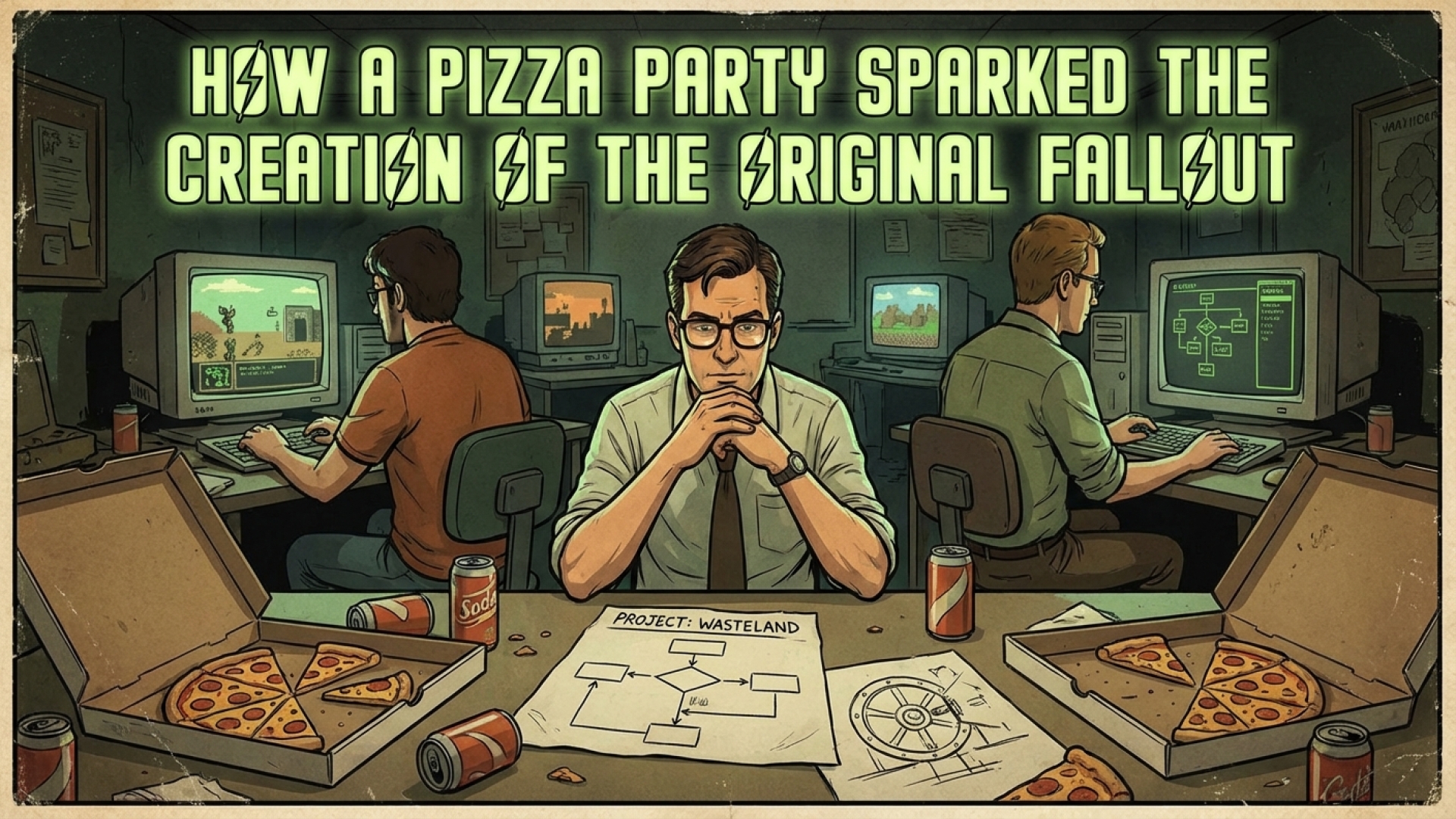
At Digital Tech Explorer, we often dive deep into the code and software histories that shaped the modern industry. Sometimes, the most revolutionary software doesn’t come from a high-budget boardroom meeting, but from a late-night passion project fueled by caffeine and pepperoni. The story of how Fallout came to be is a masterclass in independent initiative within a corporate structure, a narrative I find particularly inspiring for today’s developers and gaming enthusiasts.
The Genesis: A Pizza Party and a Sprite Engine
In the mid-1990s, Interplay Entertainment was the titan of Dungeons & Dragons titles, managing heavy hitters like Baldur’s Gate and Icewind Dale. However, Tim Cain, a software engineer by trade, was spending his off-hours building something entirely different. While his day job involved the technical minutiae of game installers, his nights were dedicated to perfecting a custom sprite engine.
As TechTalesLeo, I love uncovering these “skunkworks” stories. Cain knew he couldn’t just poach developers from Interplay’s active projects during business hours. Instead, he utilized a classic recruitment tactic: free food. By booking a conference room for 6:00 PM and promising pizza, he attracted a small group of “go-getters.” Among this initial cohort of eight was Leonard Boyarsky, the future art director who would define the retro-futuristic aesthetic that remains a staple of pc games today.

Engineering a New World: From Wasteland to Fallout
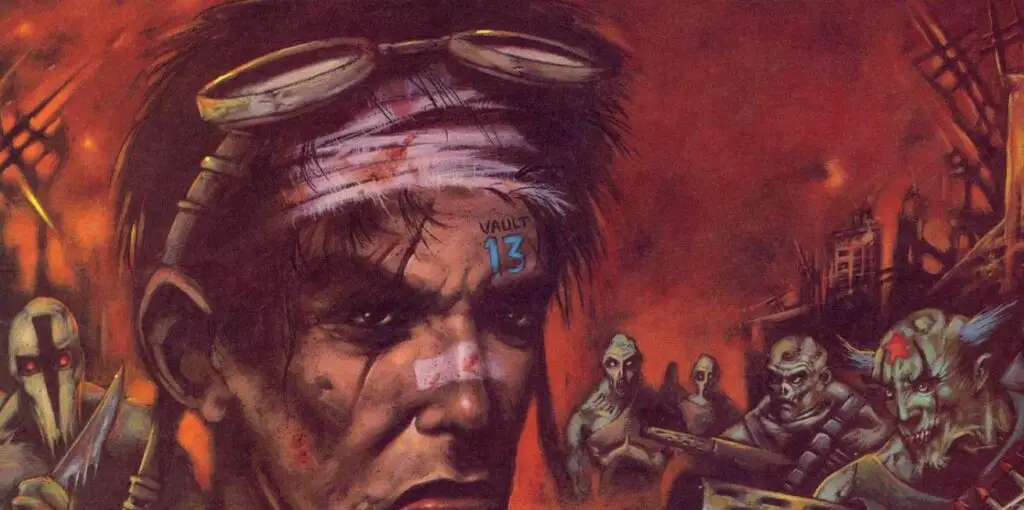
The team’s initial goal wasn’t to create a new IP, but to develop a sequel to the 1988 classic, Wasteland. When licensing negotiations with Electronic Arts fell through, the team was forced to pivot. This technical and creative roadblock became the catalyst for the unique “GURPS” system (later replaced by SPECIAL) and the 1950s-inspired nuclear apocalypse we now know.
To understand the scope of this evolution, let’s look at how the project shifted during its early development phase:
| Feature | Original “Wasteland 2” Concept | Final “Fallout” Product |
|---|---|---|
| Core Engine | Evolution of 8-bit mechanics | Tim Cain’s custom isometric sprite engine |
| License | Owned by Electronic Arts | Wholly owned by Interplay (New IP) |
| Setting | Direct Post-Apocalyptic | Retro-Futuristic (1950s “World of Tomorrow”) |
| Role-Playing System | Standard Tabletop Rules | SPECIAL System (Strength, Perception, etc.) |
The Fortuitous Pivot
Brian Fargo, executive producer on the project, noted that failing to secure the Wasteland rights was a blessing in disguise. It allowed the software team to move away from the limitations of a pre-existing universe and engineer a world that fully utilized Cain’s engine. This freedom led to the creation of one of the most enduring franchises in digital history.
At Digital Tech Explorer, we believe this story highlights a vital lesson for developers: sometimes the most significant breakthroughs happen when you are forced to build from scratch. Whether you’re interested in AI acceleration or classic 3D gaming, the spirit of innovation seen in that 1990s pizza party remains the heartbeat of the tech world.
For more deep dives into the history of software and hardware, visit my author page at TechTalesLeo.