
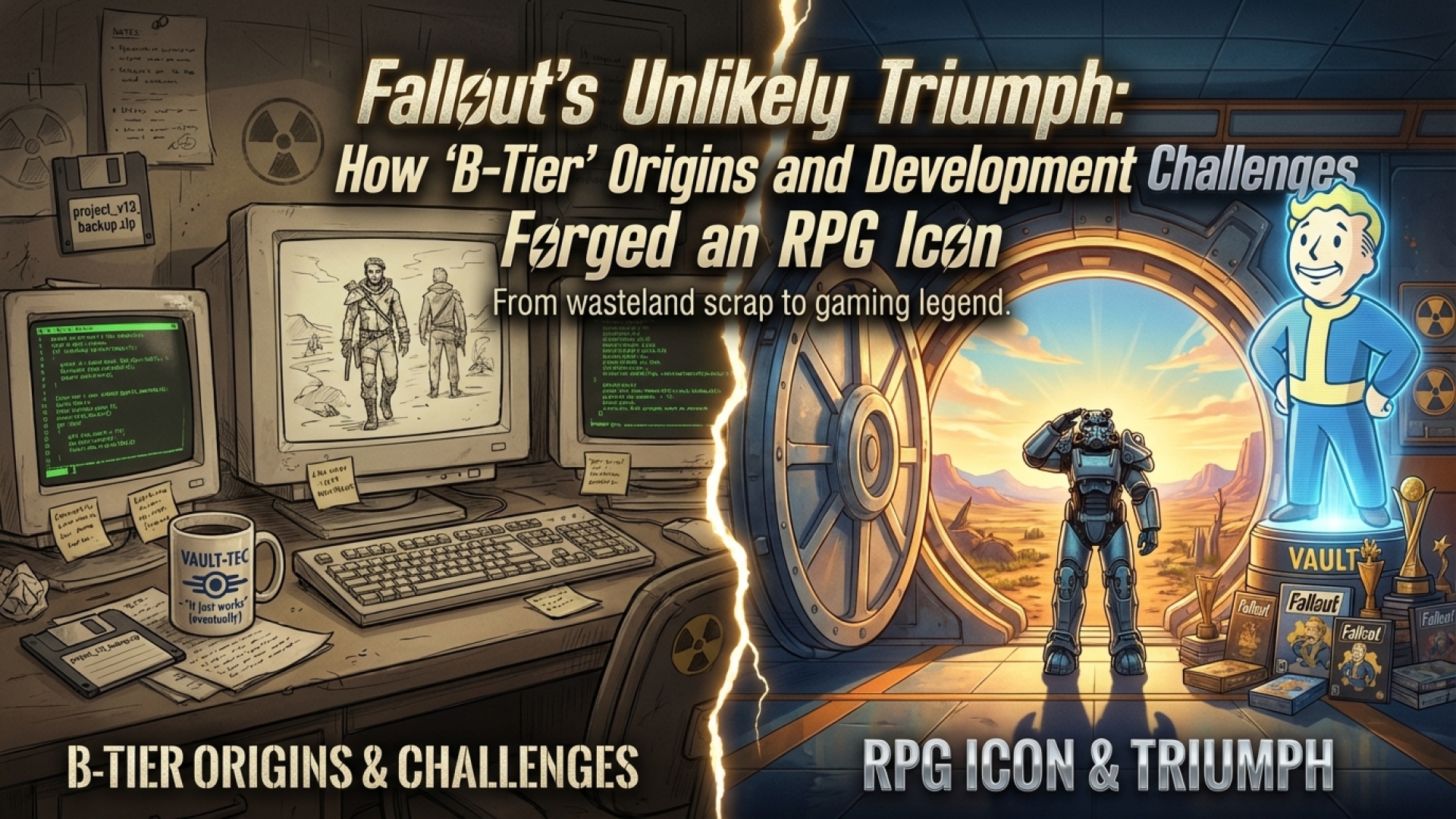
Today, the Fallout universe is a titan of the industry, boasting a sprawling collection of games and a critically acclaimed television series. However, as any seasoned software engineer or game developer can tell you, the path to greatness is often paved with technical constraints and “B-tier” expectations. Series co-creator Tim Cain recently reflected on the humble beginnings of the original Fallout, revealing that its status as a lower-priority project was exactly what allowed it to become a masterpiece of digital innovation.
Cain highlighted how early technical limitations, which many teams would view as roadblocks, were transformed into the game’s most distinctive features. The sprite engine he developed for the project came with inherent constraints. Rather than seeing these as failures, the development team treated them as puzzles. Their creative “workarounds” birthed mechanics that defined the isometric RPG era. For those of us at Digital Tech Explorer who follow the evolution of software, it’s a classic case of “feature, not a bug.”
The Pivot: From GURPS to the SPECIAL Stat System
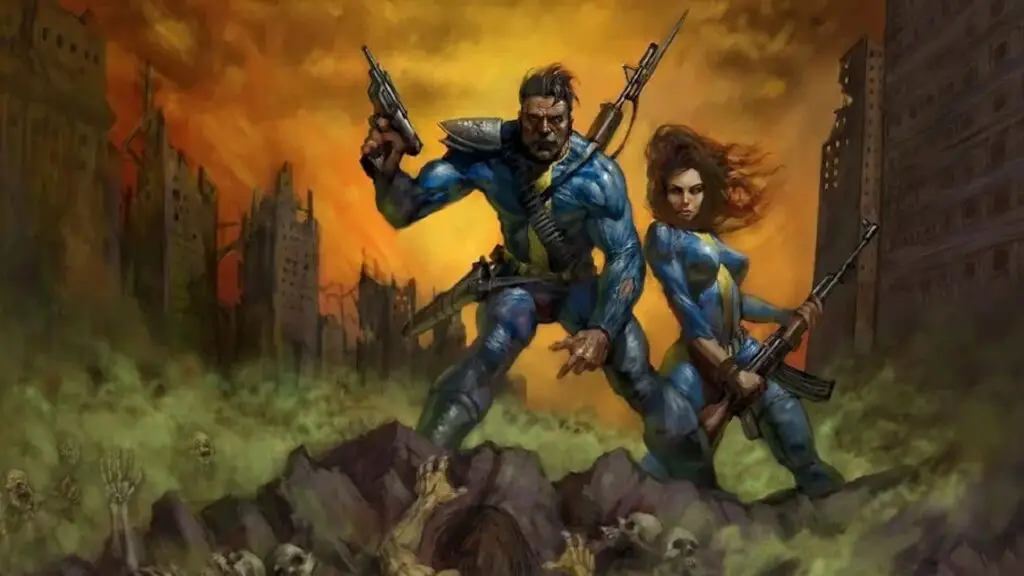
In the world of tech storytelling, few pivots are as legendary as the birth of the SPECIAL stat system. Originally, Fallout was intended to be a digital adaptation of Steve Jackson Games’ “Generic Universal Roleplaying System” (GURPS). However, when the licensor witnessed the game’s signature ultraviolence juxtaposed with the cheerful Vault Boy mascot, the partnership was terminated.
Designer and art director Leonard Boyarsky recalls this as a blessing in disguise. Forced to innovate under pressure, the team built their own proprietary system from the ground up. This system was ultimately better suited for a computer-based gaming experience than a direct tabletop port would have been. It allowed for deeper integration with the game’s software architecture, creating the flexible RPG mechanics that remain a gold standard for PC games today.
Forging an Identity Beyond the Wasteland
Another major hurdle involved the rights to Wasteland, a 1988 post-apocalyptic RPG. Interplay, the publisher, initially hoped Fallout would be a direct sequel. When Electronic Arts refused to part with the rights, the developers were forced to create a new intellectual property. Brian Fargo, Interplay co-founder, noted that this denial was “wonderful” because it forced the team to build something entirely original.
This forced independence allowed the team to distance themselves from established tropes and pursue a unique retro-futuristic aesthetic. Without the baggage of an existing franchise, they were free to experiment with the narrative and digital world-building that would eventually define the series’ legacy.
| Challenge Encountered | The Digital Innovation / Solution | Long-Term Impact |
|---|---|---|
| Sprite Engine Constraints | Creative “Workaround” Mechanics | Defined the unique isometric feel of early Fallout. |
| GURPS License Withdrawal | Development of the SPECIAL System | Created a proprietary, flexible RPG framework. |
| No Rights to “Wasteland” | Creation of the Fallout Universe | Established a billion-dollar standalone IP. |
| “B-Tier” Project Status | Minimal Corporate Oversight | Unparalleled creative freedom for the dev team. |
The Power of Minimal Oversight
Cain’s most poignant takeaway is that many negatives turned out to be positives. Being labeled a “B-tier product” meant the team was largely ignored by executives for years. In an industry often stifled by corporate over-management, this lack of scrutiny provided the developers the “autonomy to do our thing.”
Innovation thrives in environments where developers are free to take risks. While Cain jokes about the uncertainty they felt at the time—wondering if they’d be “asking whether people want fries with their meal” post-launch—the result was a masterpiece. At Digital Tech Explorer, we see this often: the most disruptive technology and software frequently emerge from small, passionate teams working outside the spotlight. Fallout isn’t just a game; it’s a testament to how constraints can fuel the ultimate creative explosion.
For more stories on the intersection of coding, history, and the latest in technology, keep exploring Digital Tech Explorer.