
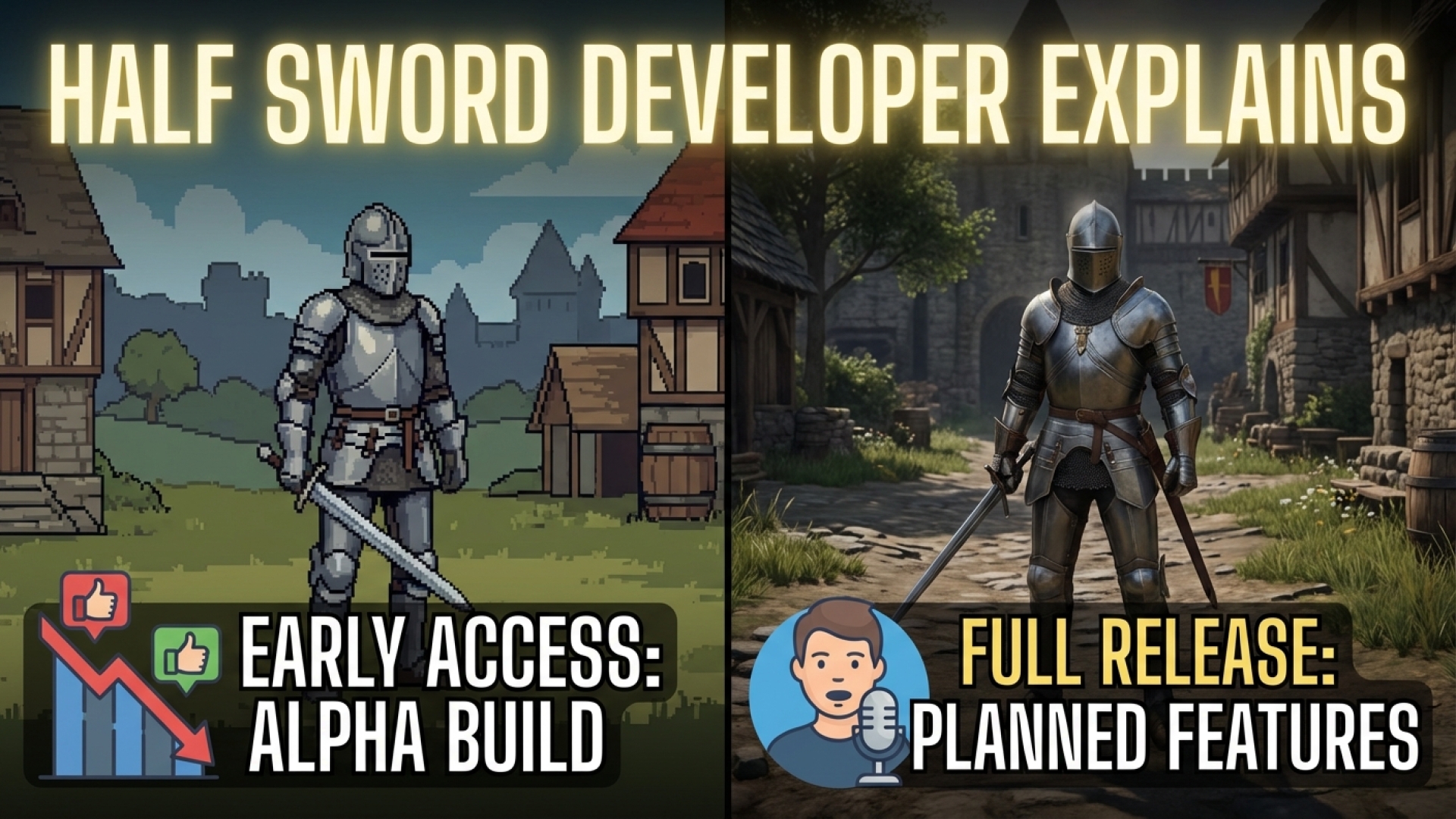
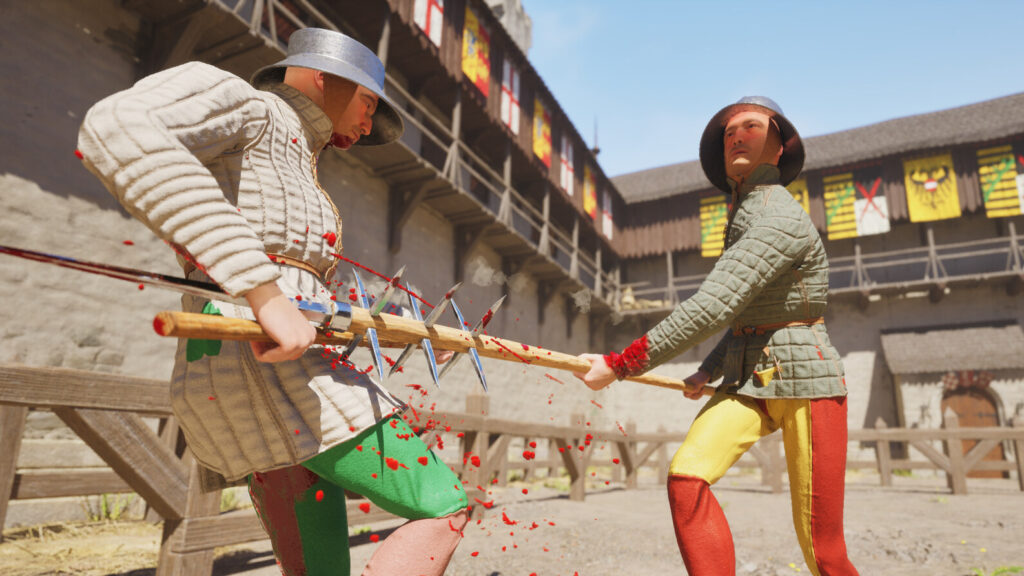
At Digital Tech Explorer, we keep a close eye on the intersection of physics and software, and few titles have captured that synergy quite like the medieval duelling simulator Half Sword. Last October’s Steam Next Fest saw the game emerge as a viral sensation. Its tech demo—a goofy yet grisly display of haphazard duels—became the highlight of the showcase, captivating the gaming community with unpredictable, elastic combat where every swing of a mace was as dangerous to the wielder as it was to the foe.
Navigating the Early Access Transition
As TechTalesLeo, I’ve seen many promising prototypes struggle with the leap to a full release. Despite the initial momentum, the 2024 Early Access launch of Half Sword has met with a divided reception. While the player base remains large, the “Mixed” reviews on Steam tell a story of unmet expectations and fundamental shifts in design.
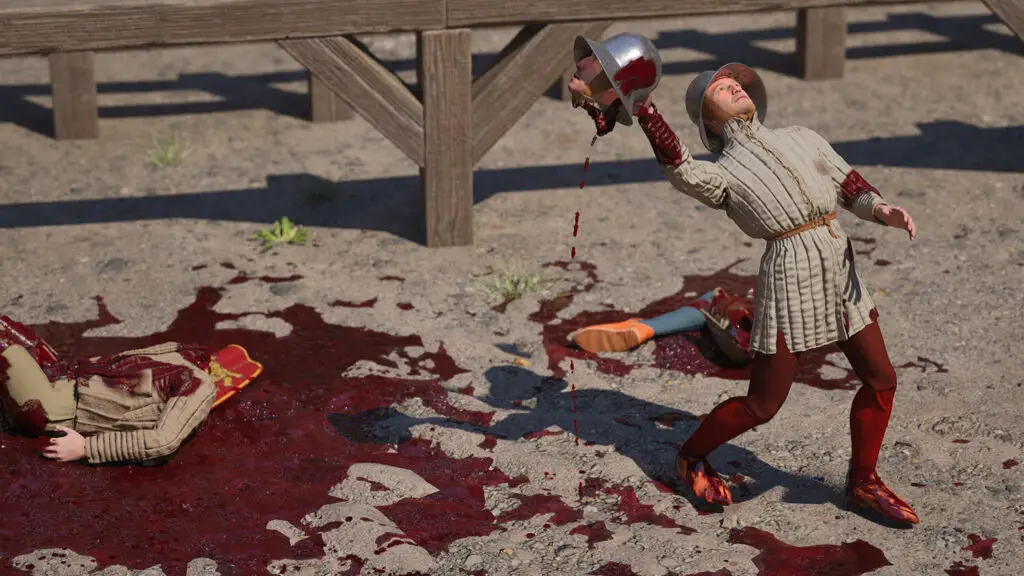
The core of the frustration lies in the combat mechanics. Players who fell in love with the fluid, chaotic nature of the original demo found the Early Access version significantly more rigid. The current system introduces a steeper learning curve, frequently resulting in characters entering a “flailing ragdoll” state that feels less like a skilled duel and more like an uncontrollable struggle.
The Evolution of Procedural Animation
The developers recently addressed these concerns, offering a deep dive into the technical hurdles of game design. They explained that the tech demo was essentially an older, isolated branch of development. As the project moved toward a full release, the locomotion and combat systems underwent a complete overhaul.
In the world of modern PC games, implementing procedural animation is a delicate balancing act. The team noted that every new variable—from grip strength to damage reactions—requires extensive rebalancing. At Digital Tech Explorer, we understand that these technical iterations, while necessary for long-term stability, can often feel like a step backward to the end-user accustomed to a specific “feel.”
| Feature | Tech Demo (October) | Early Access (Current) |
|---|---|---|
| Combat Style | Physics-heavy, “Goofy” & Fluid | Heavier, Procedural & Rigorous |
| Locomotion | Basic Ragdoll Mechanics | Complex Procedural Animation |
| Stability | Unpredictable but Fun | Focusing on Performance & Logic |
| Community Feedback | Overwhelmingly Positive | Mixed / Divided |
Looking Ahead: Combat Balance and Future Features
The development team has confirmed they will not be reverting to the tech demo model. That iteration was meant to showcase “early core mechanics” rather than represent the final vision. While the current Early Access build is a work in progress, the focus remains on refining weapon handling and combat balance as new features are integrated.
Technical Optimization and Marketing Lessons
Beyond the blade-on-blade action, technical hardware optimization remains a priority. The team is aggressively tackling performance issues to ensure smoother frame rates across a variety of setups. However, a significant portion of the “Mixed” reviews stems from marketing discrepancies. Some features showcased in the Early Access trailer were not present on day one, which the developers clarified were meant as “teases” for future updates rather than a checklist for launch.
At Digital Tech Explorer, we believe Early Access is as much about community management as it is about coding and software development. While the Half Sword team faces an uphill battle to win back the “Steam Next Fest” crowd, their commitment to transparency is a positive sign. As they refine their procedural systems, this title still has the potential to become a definitive entry in the medieval combat genre.

For more deep dives into the mechanics of your favorite games and the latest in digital innovation, stay tuned to Digital Tech Explorer. I’m TechTalesLeo, reminding you that in the world of Early Access, the only constant is change.