
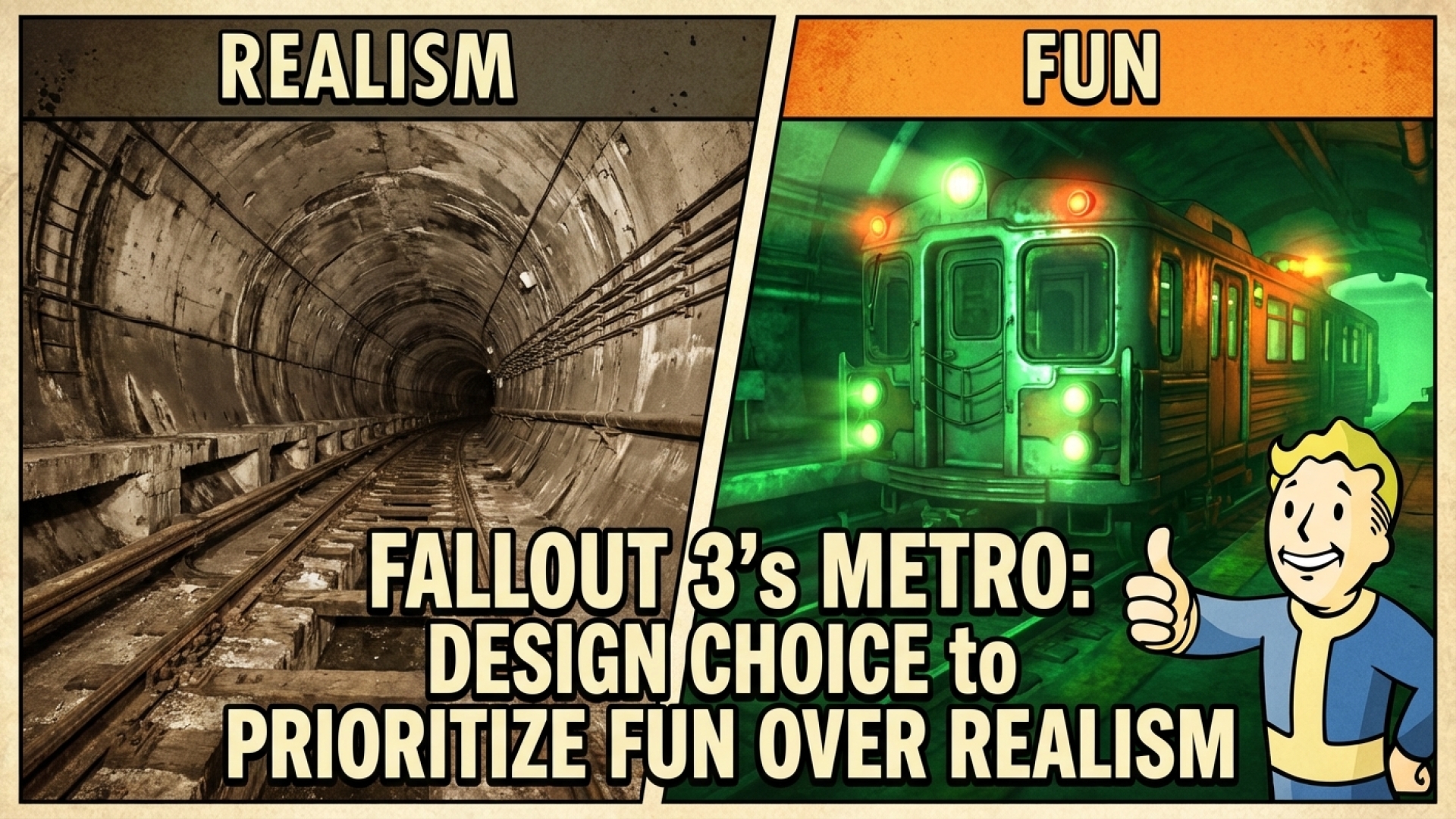
In the world of game development, the line between technical realism and player enjoyment is often a razor-thin tightrope. Recent insights from Bethesda’s archives have provided a fascinating look into the production of Fallout 3, a title that marked the franchise’s monumental transition into the 3D era. Among the most discussed elements of its development is the creation of the Washington DC metro system—a feature that was as much a product of local passion as it was a lesson in design pragmatism.
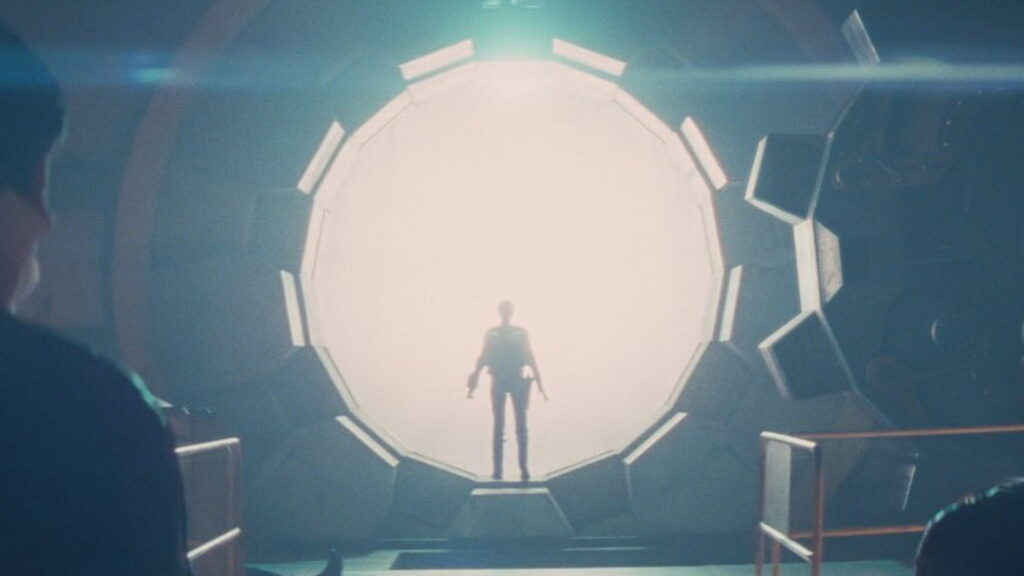
Engineering a Familiar Wasteland
At Digital Tech Explorer, we often highlight how real-world environments influence digital architecture. For Bethesda’s art team, choosing the setting for the third installment was a matter of proximity. Lead artist Istvan Pely noted that because much of the team lived in the capital, they could imbue the game with authentic details that outsiders might overlook. This local knowledge was particularly vital for the DC metro, with Pely observing that the in-game tunnels were “pretty true to the actual ones” found in the real-world District.
The Ambition of a Connected Underground
Lead designer Emil Pagliarulo recalled that the team wanted to lean heavily into the “Americana” identity of the series. By incorporating iconic landmarks like the Lincoln Memorial and the Capitol, they aimed to create an immersive gaming experience unlike anything seen before in the RPG genre. The original technical vision for the metro was incredibly ambitious: a grand, fully interconnected underground network that mirrored the complexity of a functioning city transit system.
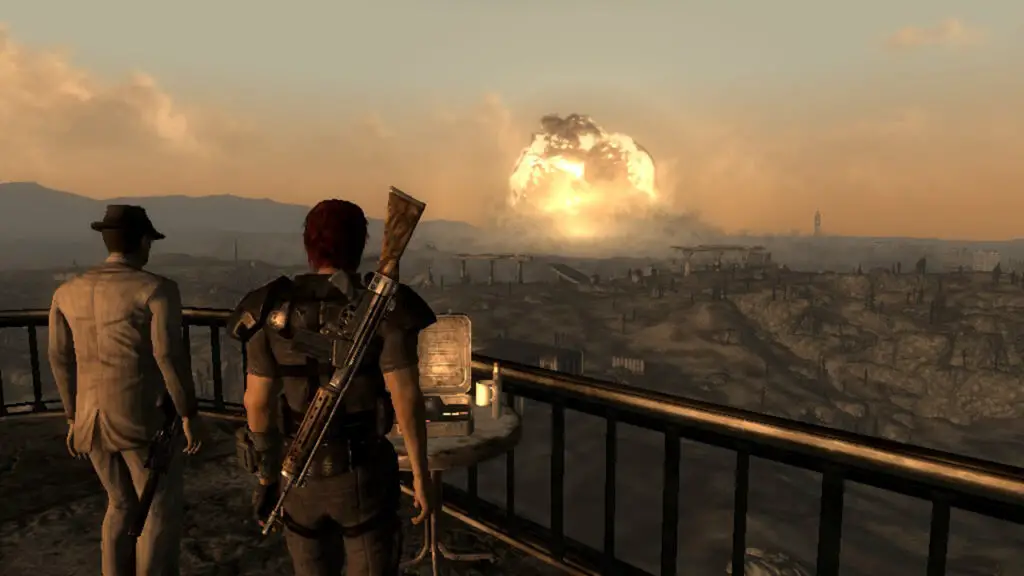
When Simulation Hits the Brakeline
However, the transition from a conceptual PC game design to a playable reality revealed a common software engineering pitfall: over-simulation. Pagliarulo admitted that the sprawling, realistic metro they initially built was simply too massive. “Traversing miles of underground subway stations turns out… very realistic, not very fun,” he explained. The team realized that forced realism often sacrifices the pacing of an open world experience. This led to the decision to segment the metro, using it as a strategic tool for navigation rather than a tedious slog through endless, identical tunnels.
Development Constraints at a Glance
| Design Challenge | Original Vision | Final Implementation |
|---|---|---|
| Metro Connectivity | Fully connected underground network | Segmented zones focused on gameplay flow |
| Asset Creation | Unique models for every station | Modular kits supplemented by unique landmark art |
| Technical Hurdles | Dynamic vehicle physics | Creative “NPC-hat” engine hacks for trains |
Pragmatism in Digital Innovation
Beyond the layout, Bethesda faced significant resource constraints. Pely explained that their team was relatively small at the time, necessitating the use of modular “kits” for most architecture. While landmarks like the Jefferson Memorial received custom, high-effort assets, the rest of the world had to be built efficiently. This pragmatism extended to the “trains” in Fallout 3, which famously functioned as a piece of armor worn on an invisible NPC’s head—a legendary hardware and software workaround that remains a favorite anecdote among developers.
As TechTalesLeo, I find these stories essential for understanding that the best technology isn’t always the most realistic—it’s the most functional for the user. By scaling back their original vision, Bethesda ensured that Fallout 3 remained an engaging exploration of a broken world rather than a simulator of its transit delays. It is this commitment to the “fun factor” that allows these games to stand the test of time, influencing the latest releases in the industry today.
For more deep dives into the intersection of coding, history, and digital trends, stay tuned to Digital Tech Explorer.