
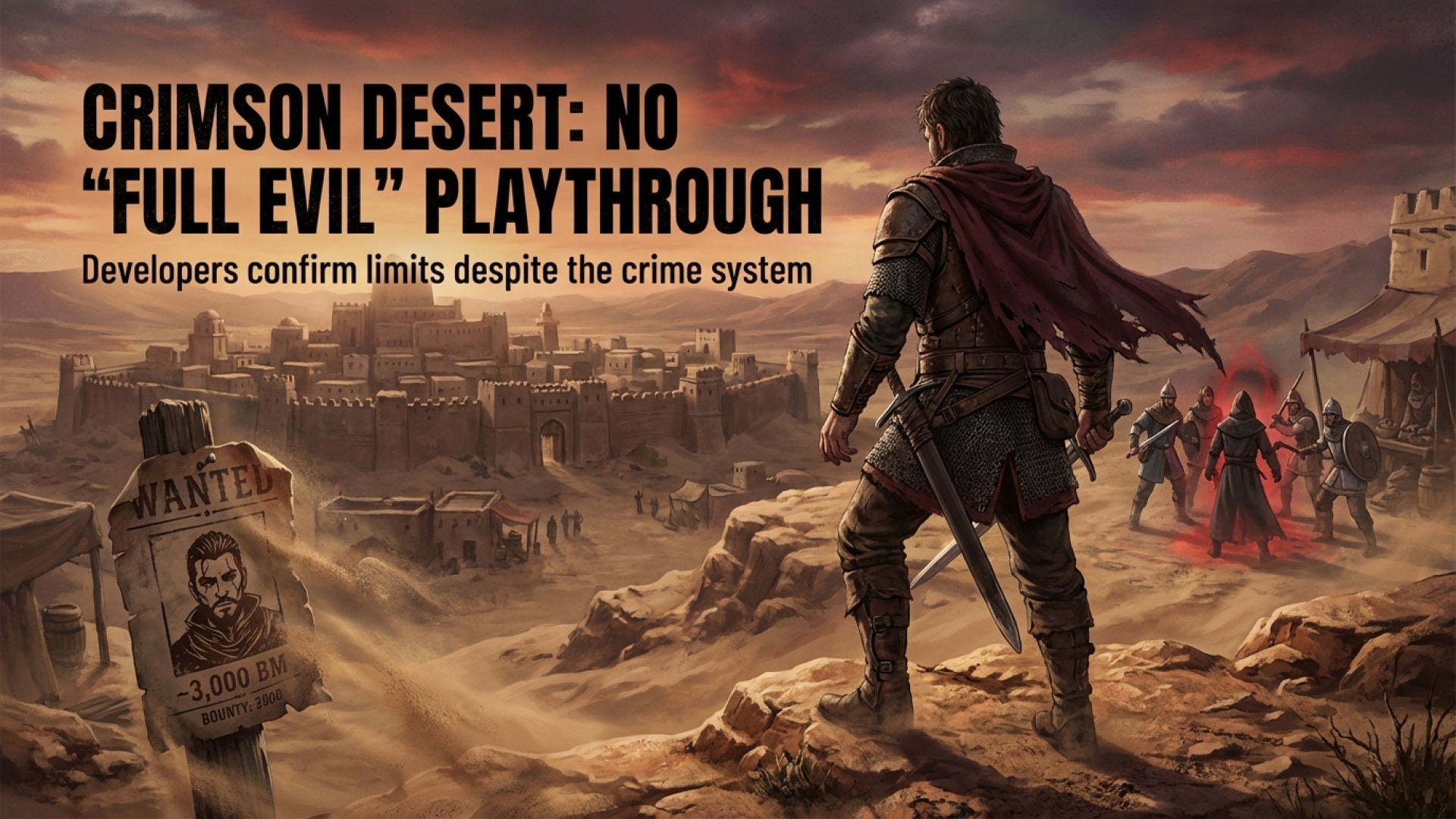
Why Crimson Desert Swaps “Evil Playthroughs” for Tactical Notoriety
The buzz surrounding Crimson Desert, the ambitious open-world adventure from Pearl Abyss, has reached a fever pitch as we move deeper into the cycle of 2024 releases. While many fans have categorized the Black Desert spiritual successor as a traditional RPG, the developers are clarifying the game’s identity. At Digital Tech Explorer, we’ve been tracking the technical evolution of this title, and the latest word from the studio suggests a shift away from genre staples like the dedicated “evil playthrough.”
In a recent session on the Dropped Frames podcast, Will Powers, Director of Marketing for Pearl Abyss, addressed the narrative constraints of the game. When asked if players could fully commit to a villainous path, Powers noted that while player agency exists, the story is far more curated than a blank-slate sandbox.
A Story Set in Stone
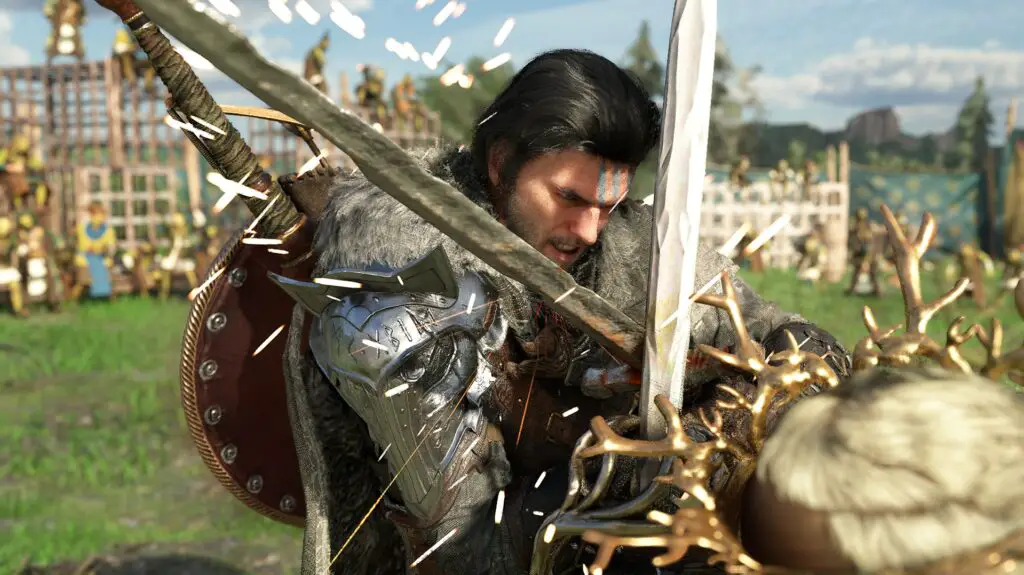
Unlike massive branching narratives found in titles like Baldur’s Gate 3, Crimson Desert is built around a specific protagonist: Kliff. Because Kliff is narratively framed as a “good guy,” the ability to completely derail his character arc into total villainy is limited. This design choice allows Pearl Abyss to focus on a more “premium,” cinematic experience—one that prioritizes a cohesive story over the infinite (and often messy) variables of a moral alignment system.
Powers explained that while decisions impact the world, they don’t necessarily allow for a “Dark Lord” simulator. “Would I recommend a full playthrough in that [evil] playstyle? Eh, I don’t know,” he remarked, suggesting that the game’s architecture is designed to support Kliff’s established journey through Pywel.
The Mechanics of Chaos: The Notoriety System
Just because you can’t be a world-ending villain doesn’t mean you have to be a saint. For those who enjoy a bit of digital mischief, Crimson Desert introduces a robust crime and wanted system. Engaging in illegal activities like theft will lower NPC trust and trigger legal consequences, ranging from fines to jail time. For the gaming community, this adds a layer of tactical realism to the world-building.
Interestingly, being a nuisance has its own set of technical rewards. Powers revealed a unique mechanical twist: “negative notoriety” can actually buff your character. Players might find themselves intentionally breaking the law to gain an attack power spike before a major boss fight.
Crimson Desert: Playstyle vs. Moral Alignment
| Feature | Traditional RPG Expectation | Crimson Desert Reality |
|---|---|---|
| Character Identity | Blank slate / Custom creation | Pre-defined protagonist (Kliff) |
| Moral Path | Pure Good vs. Pure Evil | Fixed narrative with tactical choices |
| Crime System | Punishment only | Strategic rewards (Attack buffs for notoriety) |
| World Interaction | Permanent faction shifts | Moment-to-moment consequence and “wanted” levels |
A Premium Narrative Focus
As TechTalesLeo, I see this as a bold move in an era of sprawling, often diluted open-world games. By narrowing the scope of moral choice, Pearl Abyss can ensure that the narrative beats hit harder and the technical performance—likely optimized for 4K resolution and high-end GPU hardware—remains a top priority.

Ultimately, Crimson Desert isn’t trying to be everything to everyone. It is a focused, high-action tale that treats “evil” actions as a tactical tool rather than a lifestyle. For developers and tech enthusiasts alike, this shift toward curated storytelling within a massive digital landscape is an evolution worth watching. While it has faced several delays since its initial 2019 reveal, the depth of the current gameplay overviews indicates that Pywel will be a world well worth exploring, regardless of your moral compass.
Affiliate Disclaimer: Some of the links on Digital Tech Explorer are affiliate links. This means we may earn a commission if you click through and make a purchase, at no additional cost to you. Our recommendations are based on thorough research and personal experience.