
The Evolution of “Eurojank”: How Technical Ambition Redefined PC Gaming
When is an insult not an insult? When it serves as a badge of honor for creative risk-taking. In the world of gaming, terms often evolve from derisive labels into cherished subgenres. Take “Friendslop,” for instance—a word that sounds dismissive but actually describes a growing cultural fondness for approachable, affordable co-op games that prioritize social connection over complex mechanics.
Similarly, the “walking simulator” was once a cudgel used to attack minimalist narrative experiments. Today, it is a helpful SEO tag for developers and enthusiasts seeking meditative story-led mysteries. As a storyteller and tech enthusiast at Digital Tech Explorer, I’ve seen how these labels bridge the gap between technical limitations and artistic innovation. None exemplify this better than “Eurojank.”
On the surface, Eurojank appears to condemn European games as buggy or low-budget. However, for those of us who have followed the evolution of PC games, the term is a byword for raw ambition. It implies a willingness to push hardware to its limits, favoring player freedom and systemic depth over a polished, bug-free interface.
The Noughties: The Birth of a Technical Genre
The early 2000s marked a pivotal era for digital innovation. It became technically feasible to produce 3D gaming worlds that finally pulled down the invisible walls of the 90s. While Morrowind offered a polished RPG experience, “real heads” turned to Gothic—a game that was as punishing as it was immersive.
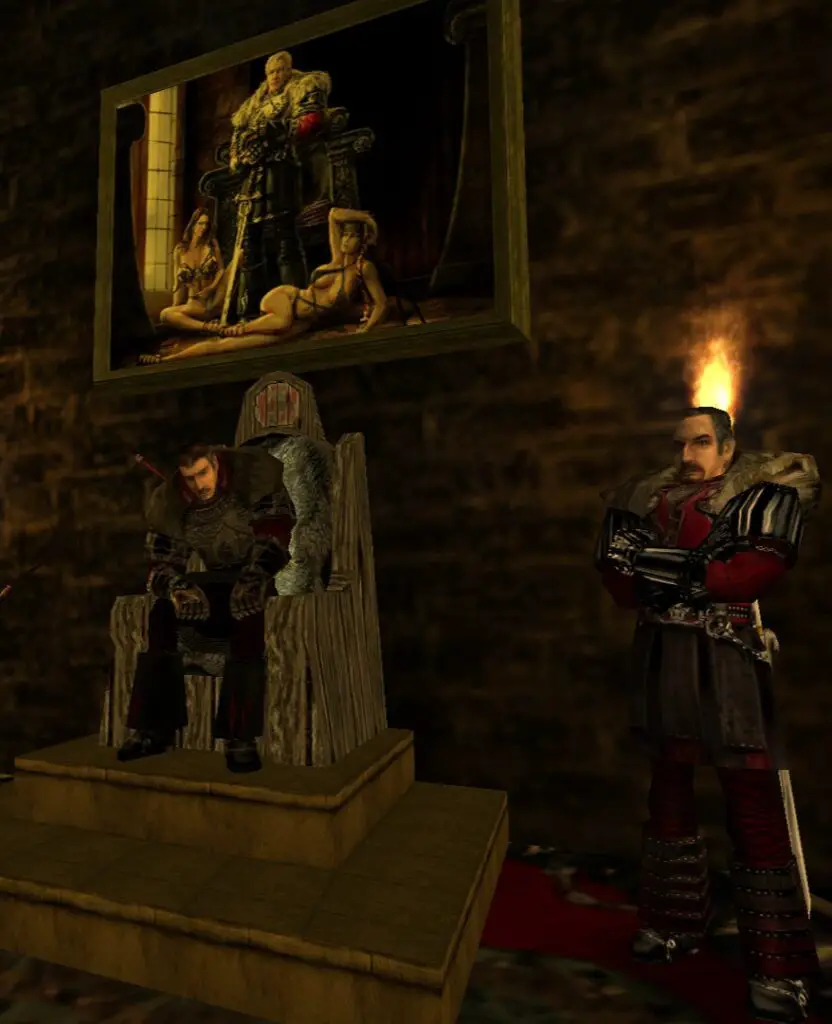
During this period, the design language of the open-world shooter was still being written. This “Wild West” era of development allowed bold teams with genius engine programmers to capture global attention, even if they lacked the QA budgets of Silicon Valley giants.
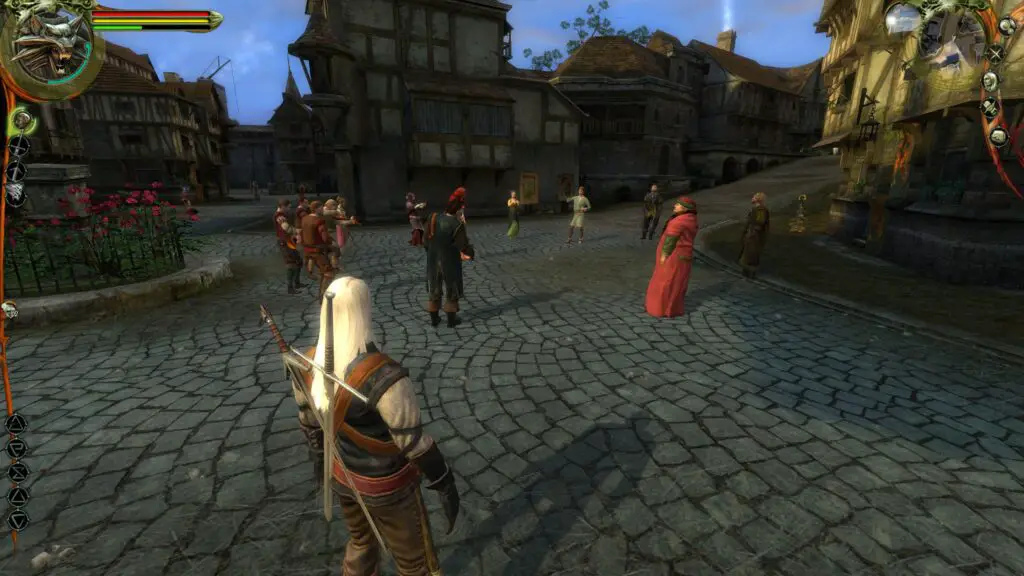
Ukrainian developer GSC Game World famously promised that NPCs in Stalker: Shadow of Chornobyl could beat the player to the ending. While the reality was more grounded, the ambition was undeniable. My own journey through tech storytelling was shaped by these titles: Poland’s The Witcher, with its moody swamps and complex narrative webs, and Boiling Point: Road to Hell, a game renowned for its technical glitches but unparalleled in its respect for player choice.
Modern Survivalists: From Niche to AAA
Over the last decade, many of these “janky” studios have transitioned into industry leaders. The stubbornness of European developers meant Belgium’s Larian Studios survived long enough to leverage new crowdfunding models, eventually leading to the massive success of Baldur’s Gate 3.
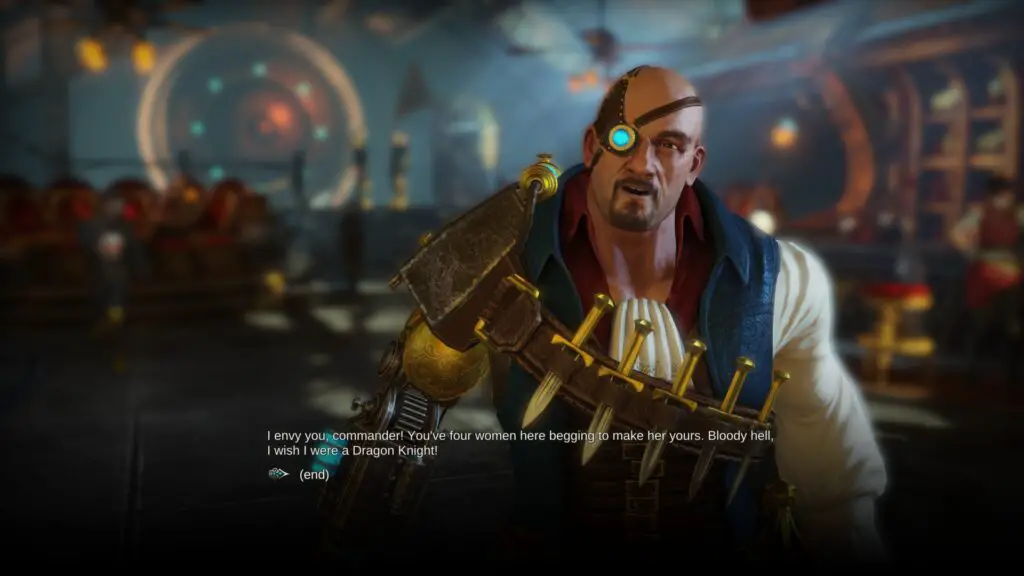
Larian’s ascent is a masterclass in staying true to a vision. They didn’t sacrifice the systemic absurdity of their earlier Divinity titles; they simply polished the presentation to meet modern standards. Today, Eurojank’s DNA is visible in some of the most anticipated 2024 releases. Kingdom Come: Deliverance remains a direct descendant of the Gothic philosophy, while Stalker 2 has been embraced as a triumph despite its abrasive edges.
The Changing Landscape: Risks and Realities
Despite the successes, the mid-budget “Double-A” space is facing significant headwinds. The current economic climate has made it harder to sustain the “overreach” that defined the genre. Below is a look at the current state of several key European developers that helped define this era:
| Studio | Key Title | Current Status |
|---|---|---|
| Larian Studios | Baldur’s Gate 3 | Thriving; industry-leading success. |
| Piranha Bytes | Gothic / ELEX | Closed in 2024 due to restructuring. |
| GSC Game World | Stalker 2 | Active; continuing the survival legacy. |
| Pieces Interactive | Alone in the Dark | Dissolved following disappointing sales. |
| Spiders | Greedfall | Affected by parent company insolvency. |
The term “Eurojank” is also fading for a more positive reason: the games have simply improved. With powerful, approachable tools like Unreal Engine and AI-assisted development, the technical gap between independent European studios and global giants is closing. Modern titles like Clair Obscur: Expedition 33 or No Rest for the Wicked showcase a level of production polish that was unthinkable for a mid-sized European team fifteen years ago.
A Wistful Farewell to the Unpolished
While the rise in production standards is a net positive for players, there is a certain nostalgia for the “Icarus-like” creative force of the past. At Digital Tech Explorer, we value the intersection of complex technology and everyday usability, yet we recognize that some of the best tech stories come from those who tried to do the impossible and nearly succeeded.
Quintessential Eurojank was never about the bugs; it was about the thrill of a beautiful, blazingly original idea that couldn’t quite be contained by its code. As we move into an era of more stable and predictable software, we shouldn’t forget the “unlikely geniuses” who taught us that a game doesn’t need to be perfect to be profound.
Affiliate Disclaimer: Some of the links on Digital Tech Explorer are affiliate links. This means we may earn a commission if you click through and make a purchase, at no additional cost to you. Our recommendations are based on thorough research and personal experience.