
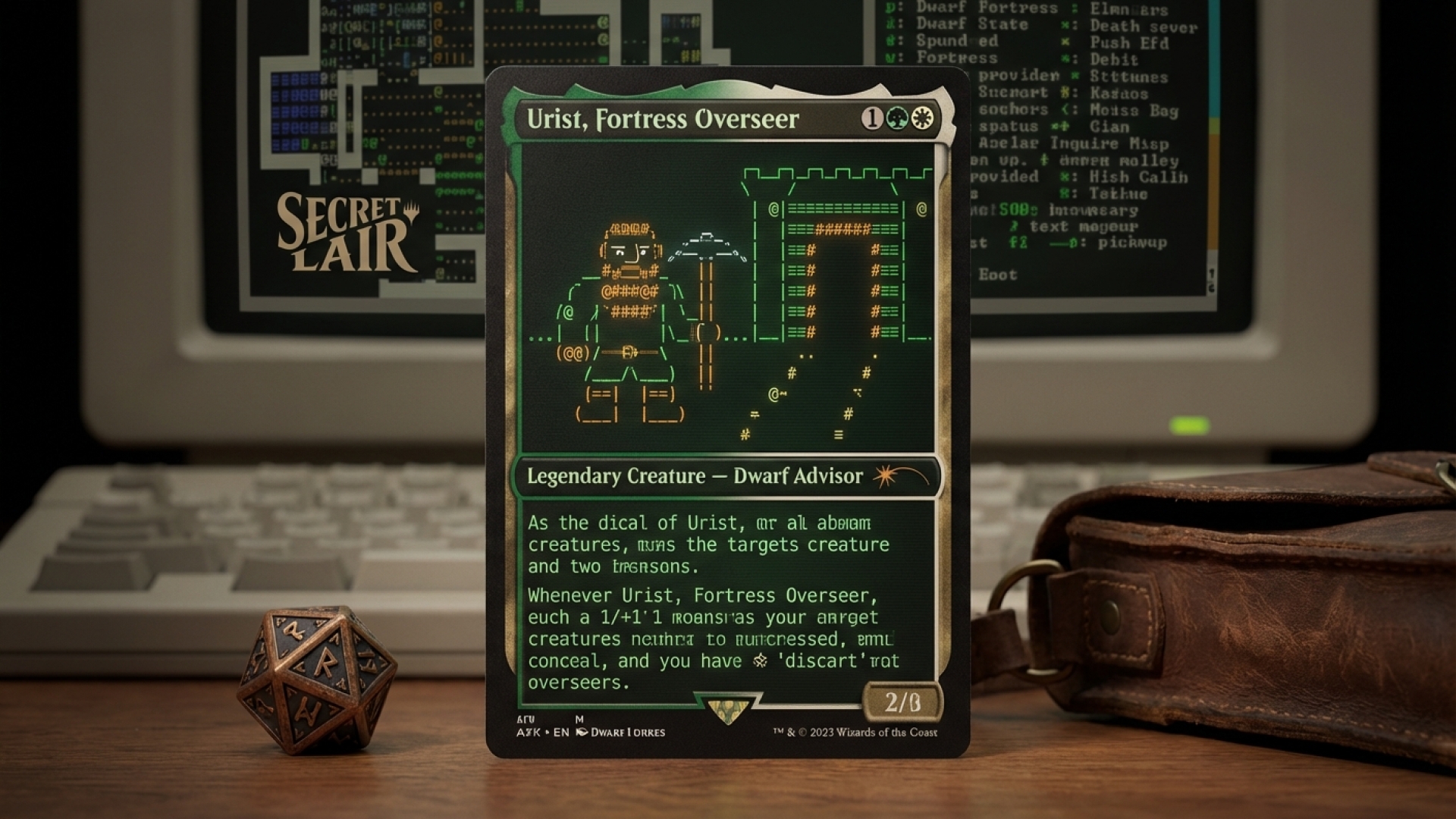
At Digital Tech Explorer, we are constantly tracking the intersection of digital heritage and modern entertainment. Today, a crossover has been announced that bridges the gap between old-school procedural generation and modern tabletop strategy. Wizards of the Coast has confirmed that the legendary simulation Dwarf Fortress is officially coming to Magic: The Gathering (MTG).
As a storyteller focused on digital innovation, I’ve seen many collaborations, but this one feels personal. After the initial community feedback regarding the Monster Hunter Secret Lair drop, it appears Wizards of the Coast has found a way to truly captivate the technical crowd. By integrating the complex world-building of Dwarf Fortress into the MTG ecosystem, they are tapping into a unique vein of gaming history.
Dwarf Fortress Joins the Secret Lair Back to School Superdrop
This collaboration is a headline feature of the Secret Lair Back to School superdrop. This limited-edition series is curated around themes of “friendship, fantasy, and reading material with a nonzero chance of magical side effects.” While the superdrop includes other high-profile sets like My Little Pony and anime-inspired Strixhaven designs, the Dwarf Fortress inclusion stands out for its raw, technical aesthetic.
Innovative ASCII Card Art: A Tribute to IBM Code Page 437
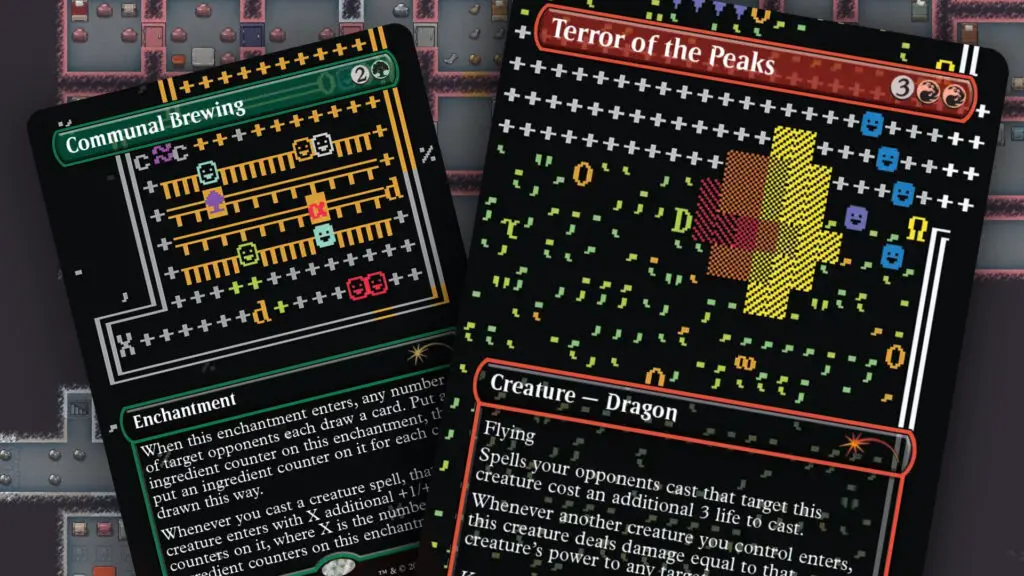
For the first time in Magic: The Gathering history, we are seeing ASCII card art. While other sets focus on high-fidelity digital painting, the Dwarf Fortress set utilizes the text-glyph style that defined the original classic version of the game. These cards are rendered using the timeless characters of IBM Code Page 437, turning hardware-level symbols into mythic imagery.
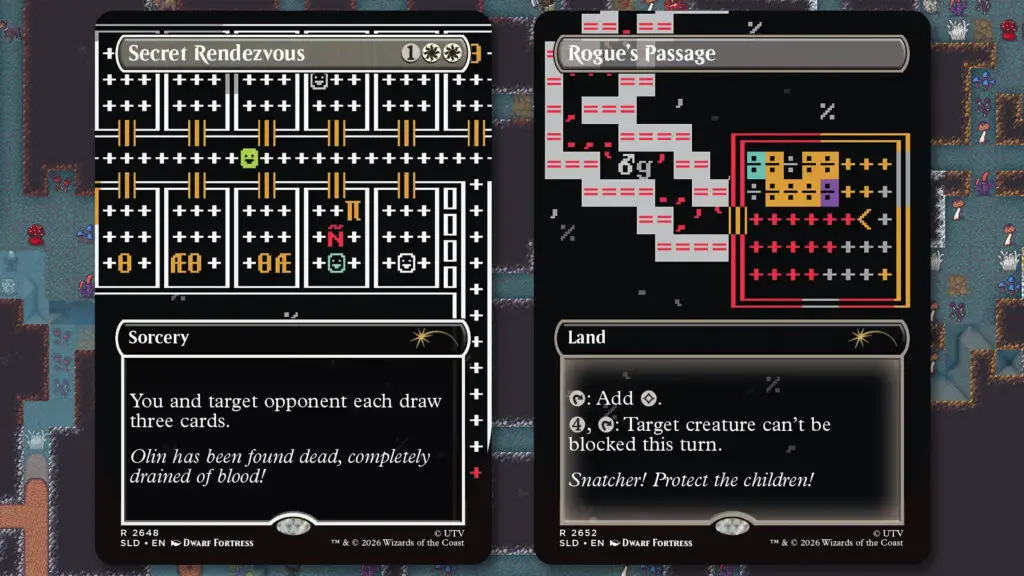
For those who have spent years navigating the deep tunnels of Dwarf Fortress, these illustrations are immediately recognizable. The set features five cards depicting iconic scenarios:
- The Vampiric Ñ: A dwarf trapped and facing a deadly entity.
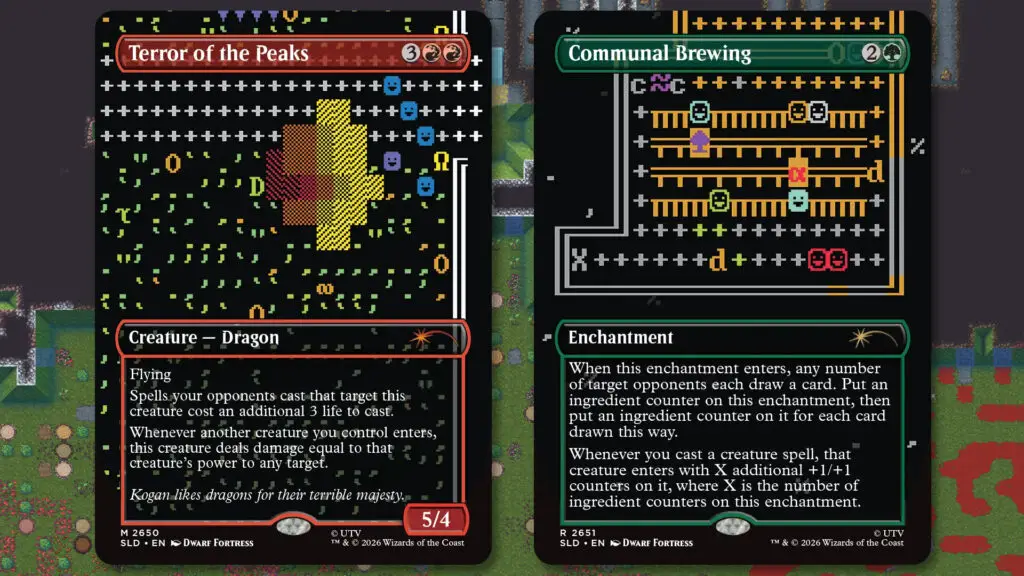
- The Dragon (D): A capital “D” unleashing ruinous fire upon a fortress.
- Communal Brewing: A heartwarming look at the ☺ symbols of the mountainfolk gathering in a dining hall.
This choice of art style is more than just nostalgia; it is a celebration of the “losing is fun” philosophy that has made Dwarf Fortress a cornerstone of indie software development and gaming culture.
Why ASCII Art Matters for Digital Collectors
From a tech perspective, the decision to use ASCII art on physical media is a fascinating reversal of trends. At Digital Tech Explorer, we often discuss how digital tools emulate physical textures, but here, the physical card is emulating a 1980s terminal interface. It is a striking look that honors the history of software engineering and procedural world-building.
Release and Availability
If you are looking to add these pieces of digital-history-turned-physical-media to your collection, the Secret Lair x Dwarf Fortress: Create New World set will be available shortly. Below are the key details for the upcoming drop:
| Feature | Details |
|---|---|
| Product Name | Secret Lair x Dwarf Fortress: Create New World |
| Art Style | Classic ASCII (IBM Code Page 437) |
| Release Date | April 27 |
| Availability | Official Secret Lair Website |
As we continue to explore the evolution of gaming and technology, crossovers like these highlight how much influence classic software continues to have on modern media. Stay tuned to Digital Tech Explorer for more insights into how coding and culture collide.
Affiliate Disclaimer: Some of the links on Digital Tech Explorer are affiliate links. This means we may earn a commission if you click through and make a purchase, at no additional cost to you. Our recommendations are based on thorough research and personal experience.