
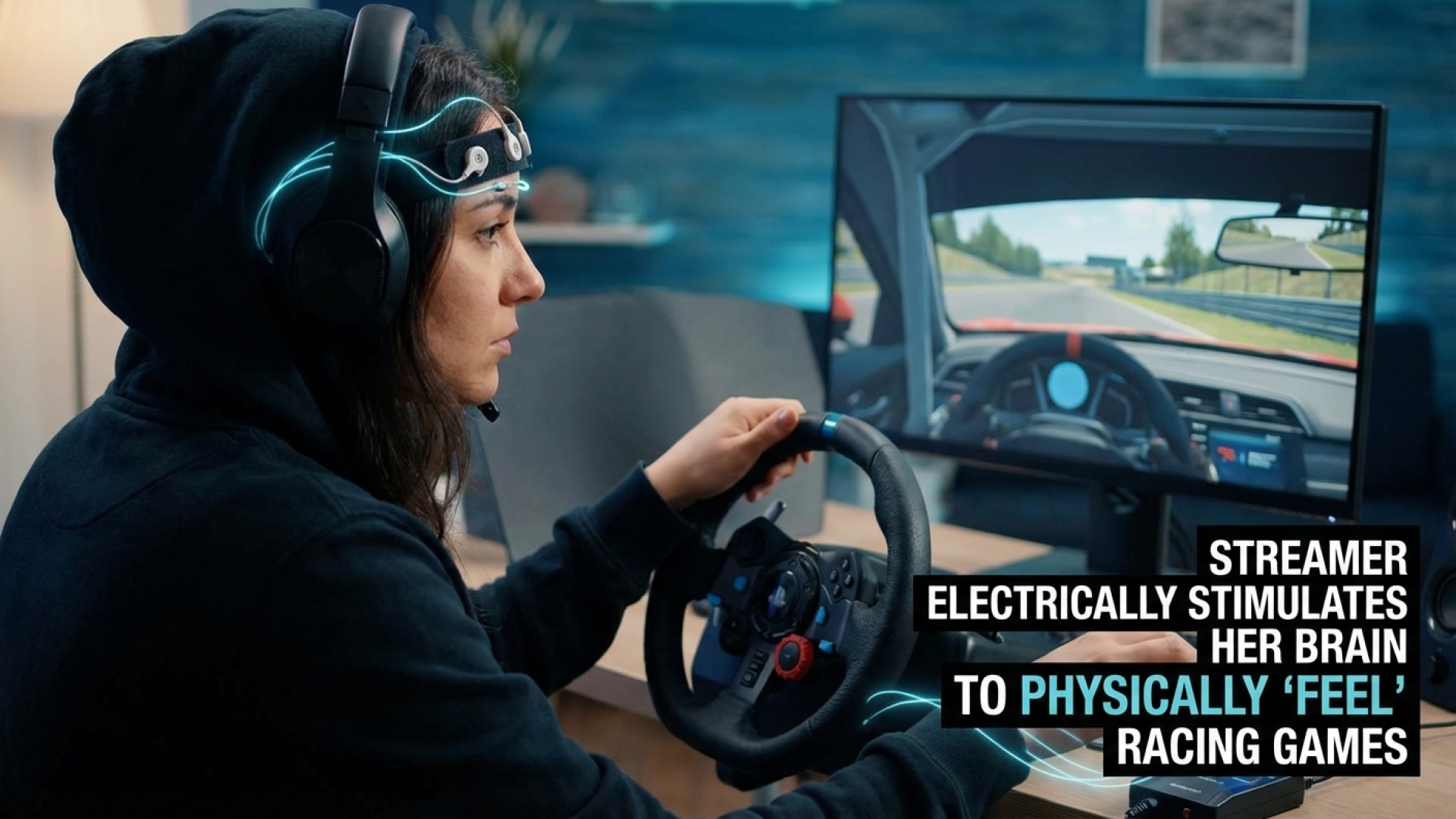
In the ever-evolving world of digital innovation, some creators push the boundaries beyond simple screens and controllers, venturing into the realm of biological integration. Streamer and content creator PerriKaryal, known for her academic background in psychology, has recently taken gaming immersion to a startling—and potentially hazardous—new level. Her latest experiment involves using a device to “zap” her brain to physically influence her sense of balance during racing sessions.
PerriKaryal’s Narrative of Neural Innovation
At Digital Tech Explorer, we closely follow how emerging technologies bridge the gap between human perception and digital environments. PerriKaryal showcased a unique hardware setup on TikTok that utilizes a joystick to pass electrical currents through the head in varying directions. The goal? To force the body to physically lean or shift, replicating the centrifugal forces experienced in high-speed racing.
The Science: Understanding Galvanic Vestibular Stimulation (GVS)
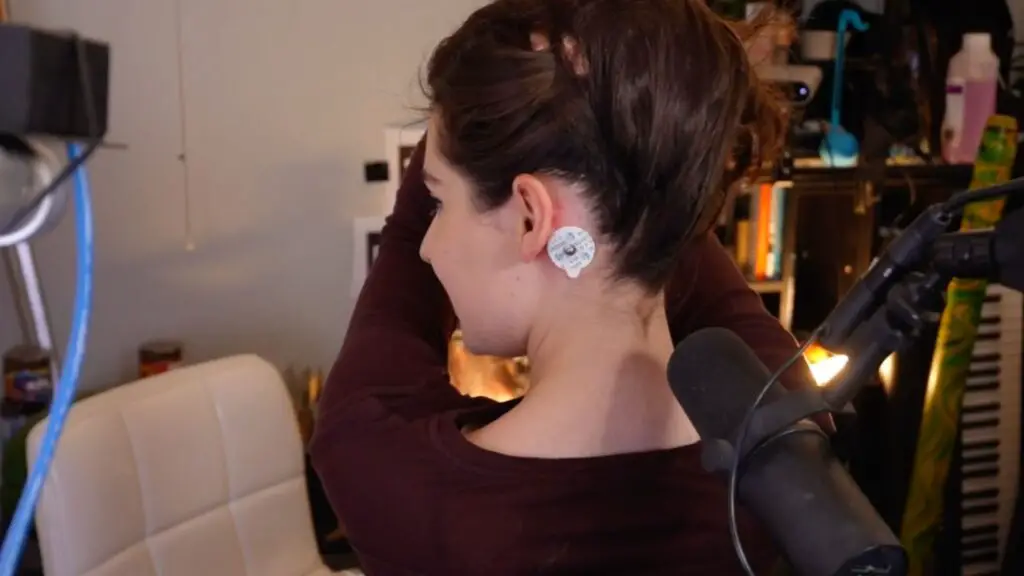
The technology driving this experiment is Galvanic Vestibular Stimulation (GVS). By applying controlled electrical currents to the vestibular nerve in the ear—the body’s natural “gyroscope”—the device tricks the brain into feeling a loss of balance. PerriKaryal successfully mapped these neural triggers to joystick inputs, creating a visceral connection between the game’s physics and her physical body.
| Technology | Mechanism | Gaming Application |
|---|---|---|
| GVS (Galvanic Vestibular Stimulation) | Stimulates vestibular nerves via electrical current. | Physical balance shifting in racing/flight sims. |
| BCI (Brain-Computer Interface) | Reads EEG/brain activity to trigger commands. | Hands-free controls (e.g., “Telekinetic” gaming). |
To validate the setup before hitting the virtual track, she performed a real-world test where a camera operator controlled her balance via a gamepad while she attempted to run in a straight line. Transitioning to PC games, she chose the high-octane racer Trackmania to test the device’s responsiveness. The full experiment, including insights into the custom code and electrode placement, was detailed during her Twitch stream.
The High Cost of Immersion: Safety Warnings
While the prospect of “feeling” the G-forces of a digital hairpin turn is fascinating, the physical toll is significant. During her session, PerriKaryal reported alarming side effects, including “buzzy” vision, persistent headaches, and visual artifacts like flashing lights.
Her stance on the DIY nature of this project is clear: “Don’t do this. Don’t build this. It’s incredibly dangerous.” This serves as a vital reminder that while technological acceleration is exciting, unregulated neurological experimentation carries risks that far outweigh the entertainment value of a racing game.
A Legacy of Mind-Over-Matter Gaming
This isn’t the first time PerriKaryal has made headlines for unconventional control schemes. Last year, she gained viral fame for defeating bosses in Elden Ring: Nightreign using a brain-computer interface (BCI). By training software to recognize specific brain patterns—like imagining a moving object—she translated thought into in-game actions. Her transition from reading brain signals to sending them via GVS marks a daring evolution in her quest to merge psychology with play.
As we continue to explore the frontiers of digital media here at Digital Tech Explorer, stories like PerriKaryal’s remind us that the future of tech isn’t just about better pixels—it’s about how we interact with the machines themselves.
Disclaimer: All content on Digital Tech Explorer is for informational and entertainment purposes only. We do not provide financial or legal advice. The experiments described above are hazardous and should not be attempted.
Affiliate Disclaimer: Some of the links on Digital Tech Explorer are affiliate links. This means we may earn a commission if you click through and make a purchase, at no additional cost to you. Our recommendations are based on thorough research and personal experience.