
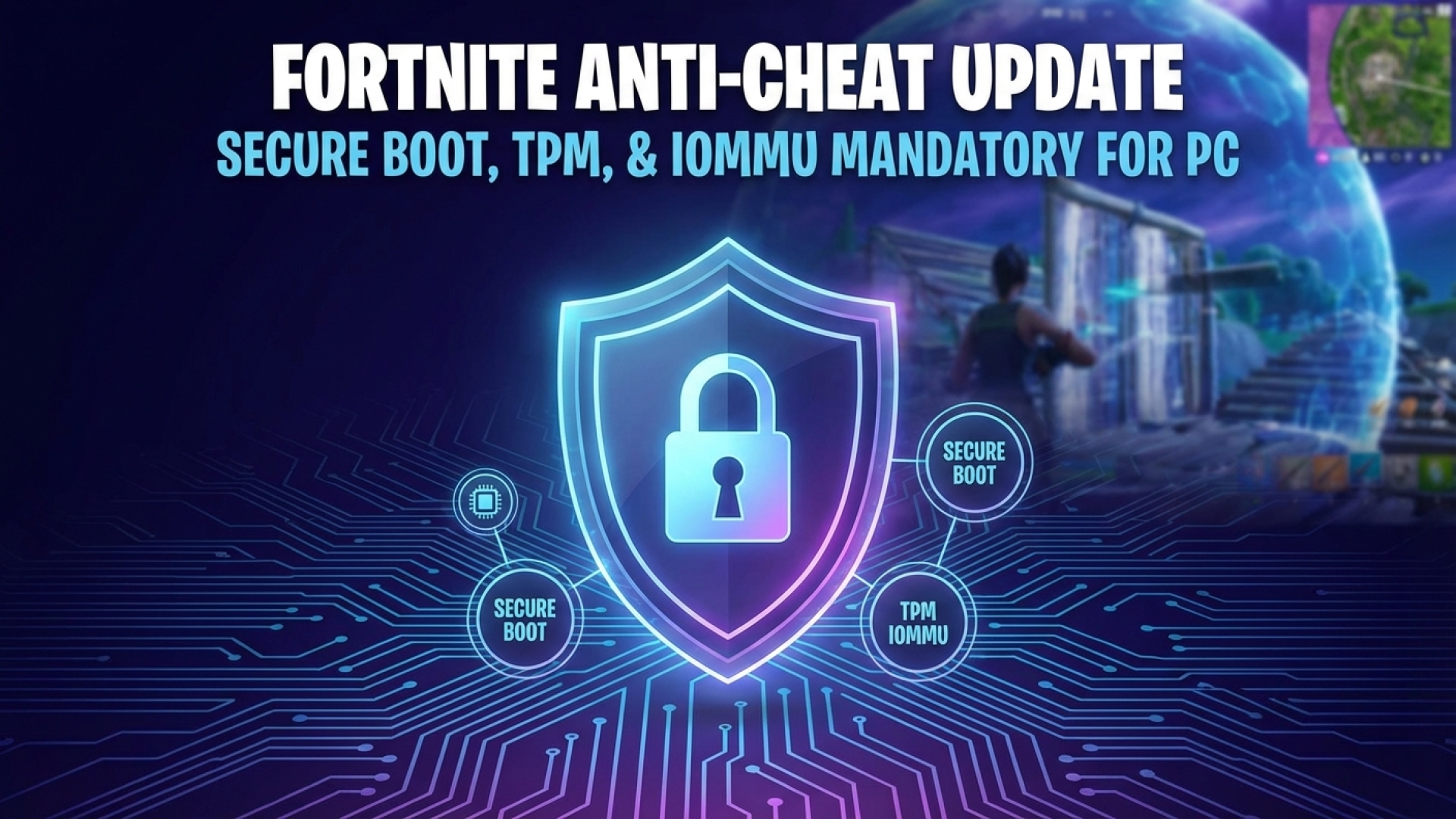
At Digital Tech Explorer, we keep a close eye on the evolving landscape of gaming security and hardware integration. As of February 19, Epic Games has officially raised the bar for competitive integrity. The developer has implemented stricter anti-cheat measures for Fortnite tournaments, requiring PC players to enable specific hardware-level security features. These mandates include Secure Boot, TPM (Trusted Platform Module), and a more technical requirement known as IOMMU (Input–Output Memory Management Unit).
Epic Games notes that if your rig is already Windows 11-compatible—which accounts for roughly 95% of the Fortnite PC player base—you likely meet these criteria. However, meeting the requirements and having them active are two different things; many users may still need to dive into their system’s BIOS settings to manually enable these features.

Understanding IOMMU: The New Frontier of Anti-Cheat
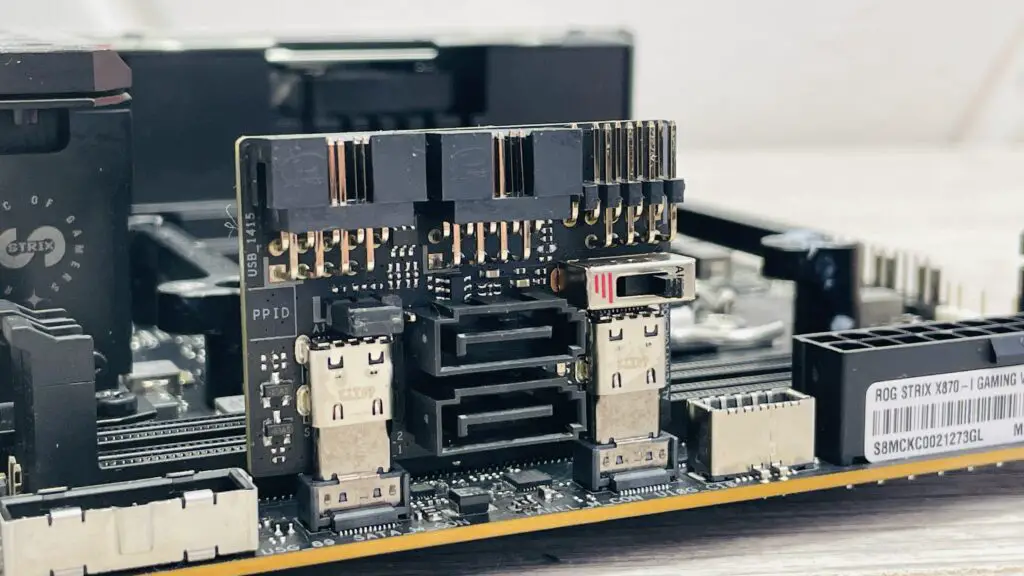
The IOMMU serves as a vital bridge between your system’s memory and peripheral devices, specifically PCIe devices. Its core role is to map virtual addresses to physical ones, managing how hardware interacts with system RAM. In the context of gaming security, it acts as a gatekeeper, verifying devices before the operating system even finishes loading to prevent unauthorized hardware from tampering with game data.
This technology recently made headlines when a vulnerability was identified that allowed for potential memory hijacking via PCIe devices before direct memory access (DMA) protections were fully engaged. In response, major motherboard manufacturers like Asus, Gigabyte, MSI, and ASRock fast-tracked BIOS updates to patch the exploit. Ensuring your hardware is up to date is now a prerequisite for the professional circuit.
Tournament Requirements Summary
To help you prepare for your next match, here is a quick breakdown of the required security features:
| Feature | Function | Why It Matters |
|---|---|---|
| Secure Boot | Ensures only trusted software boots. | Prevents rootkits and boot-level cheats. |
| TPM 2.0 | Secure crypto-processor. | Identifies and authenticates the hardware ID. |
| IOMMU | Memory management for peripherals. | Blocks DMA (Direct Memory Access) cheat hardware. |
The Arms Race: Precedent Set by Valorant
Epic’s move follows a path blazed by Riot Games. Valorant previously mandated IOMMU and later required specific PC games to verify BIOS integrity through Vanguard. Riot’s explanation was clear: their anti-cheat relies on these features to ensure no unauthorized device communication occurs during the boot-up sequence.
While Fortnite didn’t always require these deep-level settings, the new mandate aligns it with other high-stakes titles like Battlefield 6 and Black Ops 7. Epic Games has clarified that while a specific BIOS version isn’t strictly required, the version you are running must support and have these features enabled to participate in tournaments.
The Impact of Kernel-Level Anti-Cheat
As TechTalesLeo, I’ve watched the digital landscape shift toward these kernel-level anti-cheat systems with both interest and caution. While these measures are highly effective at maintaining a level playing field, they do create hurdles for certain segments of the community.
Players on alternative operating systems, particularly Linux, often find themselves locked out of titles with such strict hardware dependencies. This ongoing “arms race” against hardware-based cheats ensures fair play for the majority but continues to challenge the flexibility of PC gaming. For those of us at Digital Tech Explorer, it highlights a future where game software and PC hardware are more intertwined than ever before.
Affiliate Disclaimer: Some of the links on Digital Tech Explorer are affiliate links. This means we may earn a commission if you click through and make a purchase, at no additional cost to you. Our recommendations are based on thorough research and personal experience. All content is for informational and entertainment purposes only.