
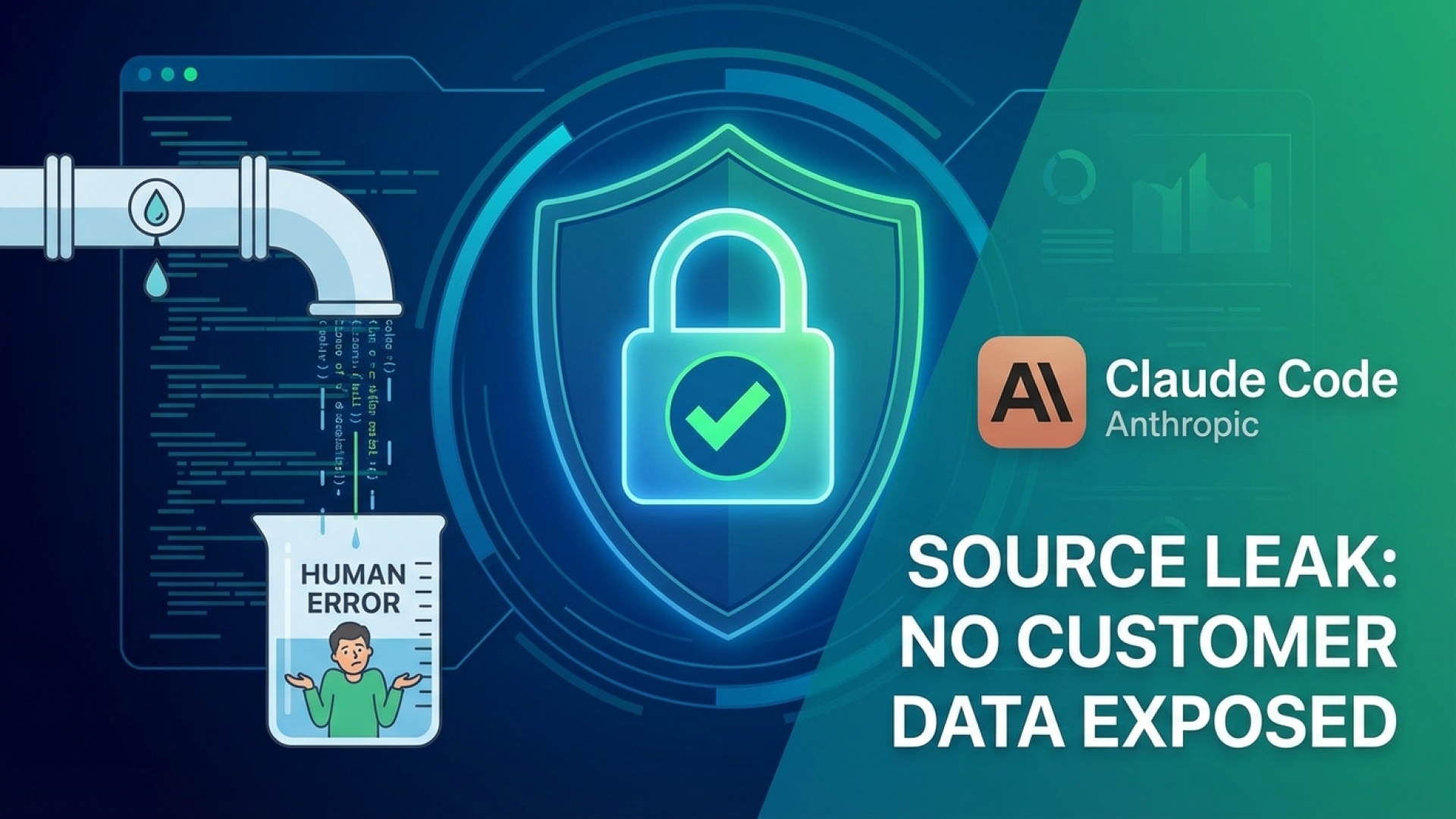
At Digital Tech Explorer, we’ve been closely following the “vibe coding” revolution, where Claude Code has rapidly emerged as a frontrunner. This terminal-based coding assistant has redefined how developers interact with LLMs, powering everything from professional enterprise scripts to whimsical projects, like the game created by a dog. However, a recent technical slip-up has given the industry a rare, unfiltered look under the hood of Anthropic’s latest tool.

The Accidental Exposure of Claude Code’s CLI Source
In a surprising turn of events for Anthropic, a recent package release inadvertently included an exposed source map file. For the uninitiated, source maps are typically used for debugging, mapping minified code back to its original source. In this instance, it provided a direct gateway to the Command Line Interface (CLI) source code of Claude Code.
The discovery was first flagged by security researcher Chaofan Shou on X (formerly Twitter). Within hours, the codebase was mirrored to a public GitHub repository, where it was forked tens of thousands of times. It is crucial to distinguish that while this is a significant exposure, it involves the CLI source code—the orchestration layer—and not the proprietary machine learning models that power the AI’s intelligence.
Despite the core models remaining secure, the scale of the leak is massive. Initial analyses suggest the exposure includes nearly 2,000 TypeScript files and over half a million lines of code. For gaming developers and software engineers, this represents an unplanned masterclass in how Anthropic structures its agentic workflows.
| Metric | Details |
|---|---|
| File Type | TypeScript (.ts) |
| Approximate File Count | ~2,000 Files |
| Total Lines of Code | 512,000+ |
| Root Cause | Exposed Source Map (.map) file |
Anthropic’s Official Response: Human Error, Not a Breach
Anthropic moved quickly to clarify the situation. In a statement provided to VentureBeat, a spokesperson emphasized that the incident was a packaging mistake rather than a malicious hack.
“Earlier today, a Claude Code release included some internal source code. No sensitive customer data or credentials were involved or exposed. This was a release packaging issue caused by human error, not a security breach. We’re rolling out measures to prevent this from happening again.”
— Anthropic Spokesperson
Implications for the AI Market and Innovation
As a storyteller in the tech space, I find the community’s reaction just as fascinating as the leak itself. Developers have already begun dissecting the code to understand how Anthropic handles complex tasks. One standout discovery shared on social media is an “insanely well-designed” memory system. This architecture reportedly uses a three-layer “self-healing” approach to manage context and state—intellectual property that is usually locked behind proprietary doors.
This incident marks the second time in a week that Anthropic has faced a data-related headline, following reports of a potential new model leak. In an AI acceleration era where trust is the primary currency, these “human errors” serve as a reminder that even the most advanced hardware and software companies are susceptible to simple procedural oversights.
For the team here at Digital Tech Explorer, this event underscores a vital lesson for all developers: the tools we use to build the future are only as secure as our deployment pipelines. While Claude Code remains a powerful ally for “vibe coding,” its recent exposure has given the world a rare map of the territory Anthropic is trying to claim.