
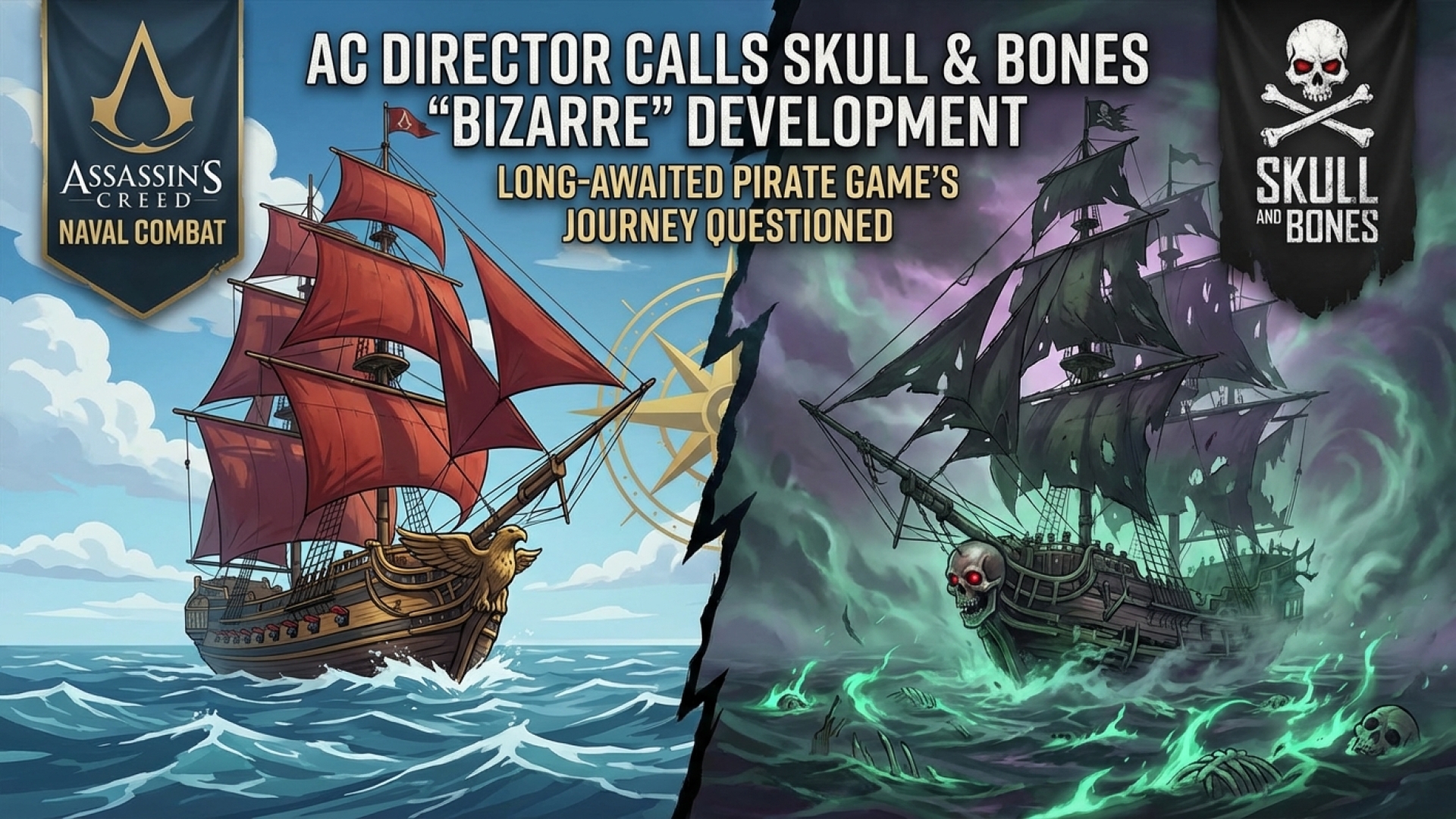
In the rapidly evolving world of digital innovation, few stories are as complex or as illustrative of the “development hell” phenomenon as Ubisoft’s Skull and Bones. What began as a promising expansion for Assassin’s Creed 4: Black Flag spiraled into a decade-long production cycle. At Digital Tech Explorer, we often look at how software architecture and project vision dictate the success of a product. Skull and Bones serves as a cautionary tale of how a lack of clear technical direction can lead a $70 release into turbulent waters.
The “Quadruple-A” Claim vs. Technical Reality
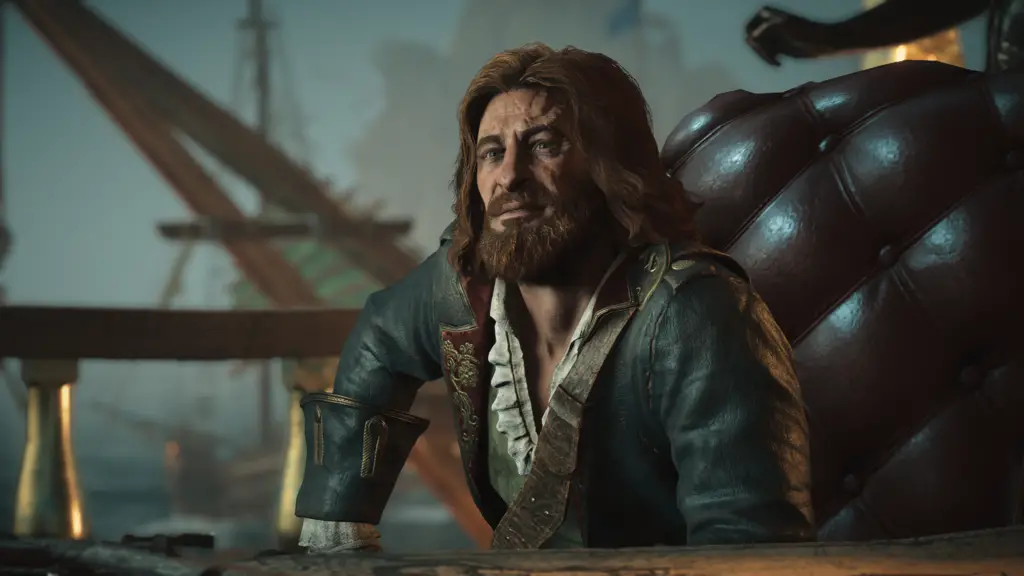
The tech world was set abuzz when Ubisoft CEO Yves Guillemot defended the game’s premium price tag by labeling it a “quadruple-A (AAAA) game.” From a software engineering perspective, this classification implies a level of polish, scale, and innovation that exceeds standard industry benchmarks. However, the gaming community and tech analysts alike met this claim with skepticism. After ten years of delays and shifting engines, the final product struggled to justify such a high-tier branding, especially when compared to contemporary gaming benchmarks in 2024.
Evolution of Naval Mechanics: A Decade of Iteration
To understand the technical debt associated with this project, we can look at how the naval combat mechanics evolved—or stayed the same—over time. At Digital Tech Explorer, we value thorough research, so let’s look at the trajectory of this tech:
| Game Title | Release Year | Naval Tech Status | Primary Focus |
|---|---|---|---|
| Assassin’s Creed 3 | 2012 | Introduction | Experimental side-missions and weather tech. |
| Assassin’s Creed 4: Black Flag | 2013 | Refined | Open-world exploration and seamless boarding. |
| Skull and Bones (Initial Concept) | 2017 | Iterative | Multiplayer-focused tactical ship combat. |
| Skull and Bones (Final Build) | 2024 | Legacy Hybrid | Live service MMO with heavy RPG elements. |
Insights from Alex Hutchinson
Alex Hutchinson, a veteran creative director known for his work on Far Cry 4 and the original naval systems in Assassin’s Creed 3, provided a candid look into the project’s struggles. Hutchinson found it “bizarre” that the industry was seeing “essentially the same stuff re-shipping 14 years after we made it.” In the world of software development, ideas have a shelf life. When a codebase or a core loop stays in development for over a decade, it risks becoming “stale” before it even hits the market.
Hutchinson suggested that the project may have suffered from a leadership vacuum. The development team, perhaps less experienced in managing the complexities of live service games like World of Tanks or World of Warships, may have struggled to maintain a cohesive vision. This lack of direction often leads to “feature creep,” where a project tries to be everything to everyone and ends up losing its core identity.
Ubisoft Singapore: The Lead Studio Challenge
Ubisoft Singapore, which grew to over 300 employees since its 2008 inception, was the primary engine behind Skull and Bones. Historically, the studio acted as a support pillar for major franchises like Assassin’s Creed 2. Transitioning from a support role to lead development on a “AAAA” project is a massive technical and organizational leap.
Hutchinson noted a cultural hurdle: senior developers from the primary Canadian and French studios often viewed their time in Singapore as a “year’s holiday” rather than a mission to build local lead-development infrastructure. This disconnect, combined with a then-limited local talent pool for such an ambitious hardware-pushing project, created a perfect storm for the delays that followed.
The Saturated Market and Future Outlook

Upon its eventual 2024 launch, Skull and Bones entered a market drastically different from the one in 2013. With AI-driven NPCs and 4K resolution standards becoming the norm, the core concepts of 2013 no longer felt revolutionary. While Ubisoft has committed to a Year 2 content roadmap, the question remains: can a game built on decade-old foundations survive the high expectations of modern tech enthusiasts?
At Digital Tech Explorer, we believe that transparency in development is key. While Skull and Bones may not have been the industry-shaking “quadruple-A” title promised, its journey provides invaluable lessons for developers and fans alike on the importance of maintaining a clear digital vision. As TechTalesLeo, I see this not just as a game release, but as a story of a digital legacy trying to find its place in a new era of technology.
Disclaimer: All content on Digital Tech Explorer is for informational and entertainment purposes only. Some of the links on Digital Tech Explorer are affiliate links; we may earn a commission if you click through and make a purchase, at no additional cost to you.