
The tech landscape is shifting, and for those of us tracking the evolution of mobile workstations, the latest news from Redmond is a sobering narrative of supply chain economics. Prices for Microsoft Surface laptops have climbed significantly across the board. In some instances, we are seeing variants retailing for up to $500 more than their initial launch figures. As a software engineer observing these trends, it’s clear that this isn’t just corporate greed; it’s a direct consequence of a volatile global memory market currently being devoured by the AI revolution.
Sticker Shock: Breaking Down the Price Hikes
For tech enthusiasts and professionals looking to refresh their gear, the “Surface Tax” has become noticeably heavier. The base 13-inch Surface Pro, configured with 16 GB of RAM and a 512 GB SSD, is now nudging the $1,500 mark. This represents a steep incline for a device that has historically balanced premium build quality with competitive enterprise pricing.
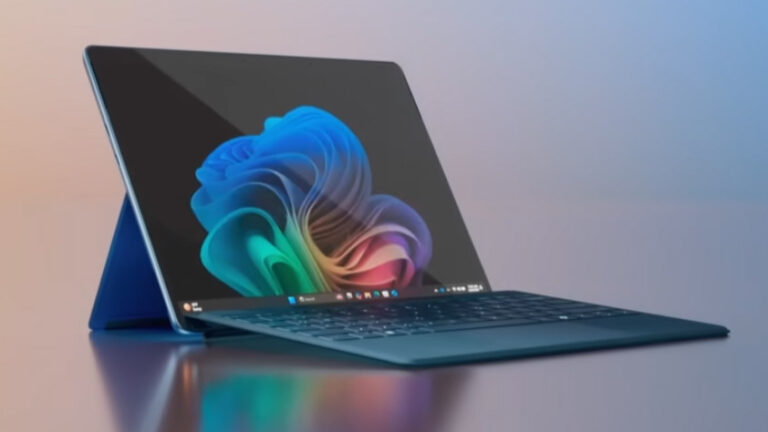
Even the entry-level models haven’t been spared. The 12-inch Surface laptop, featuring an eight-core Snapdragon X processor, 16 GB of memory, and a 256 GB SSD, has seen a jump of roughly $250, landing at a current price point of approximately $1,150. To put this in perspective, competitors like the Apple MacBook Neo continue to hover at more accessible price points, though often with lower base memory configurations.
| Surface Model | Base Specs (RAM/SSD) | Est. Price Increase | Current Starting Price |
|---|---|---|---|
| Surface Pro (13-inch) | 16GB / 512GB | $300 – $500 | ~$1,500 |
| Surface Laptop (12-inch) | 16GB / 256GB | $250 | ~$1,150 |
The Memory Scarcity: A Global Bottleneck
At the heart of this pricing surge is the global shortage of DRAM and flash memory. In the world of hardware engineering, these components are the lifeblood of performance. When supply dwindles, production costs for manufacturers skyrocket, and those costs inevitably trickle down to the end-user. This isn’t an isolated incident for Microsoft; the entire PC market is feeling the squeeze as vendors struggle to secure the silicon necessary to meet 2024 demand.
Market analysts are sounding the alarm, suggesting that this supply squeeze could intensify over the next two quarters. We may even see smaller hardware vendors forced out of the market as they find themselves unable to absorb or pass on these rising costs without losing their customer base. Even a titan like Microsoft must bend to the fundamental laws of supply and demand.
The AI Paradox: Microsoft’s Double-Edged Sword
The irony of this situation isn’t lost on the developer community. The primary culprit behind the memory shortage is the explosive growth of Artificial Intelligence (AI). Generative AI models require massive quantities of high-performance memory and storage for both training and inference. As tech giants race to build out the infrastructure for the next generation of computing, the consumer hardware market is being starved of parts.
Microsoft is essentially competing with itself. By investing billions into AI accelerators and data centers to power tools like Copilot, they are driving the very demand that is making their Surface laptops more expensive to produce. It is a fascinating, albeit expensive, cycle: the software innovation we crave is currently priced into the hardware we use to build it.
Looking Ahead: Navigating the 2024 Tech Market
For those of us at Digital Tech Explorer, we recommend that developers and tech enthusiasts keep a close eye on inventory. With the AI sector showing no signs of slowing down, the demand for memory will likely keep prices elevated well into next year. If you are planning a hardware upgrade, it may be time to weigh the cost of waiting against the reality of a market that hasn’t yet found its floor.
Disclaimer: All content on Digital Tech Explorer is for informational and entertainment purposes only. We do not provide financial or legal advice. Some links may be affiliate links, meaning we may earn a commission at no additional cost to you.