
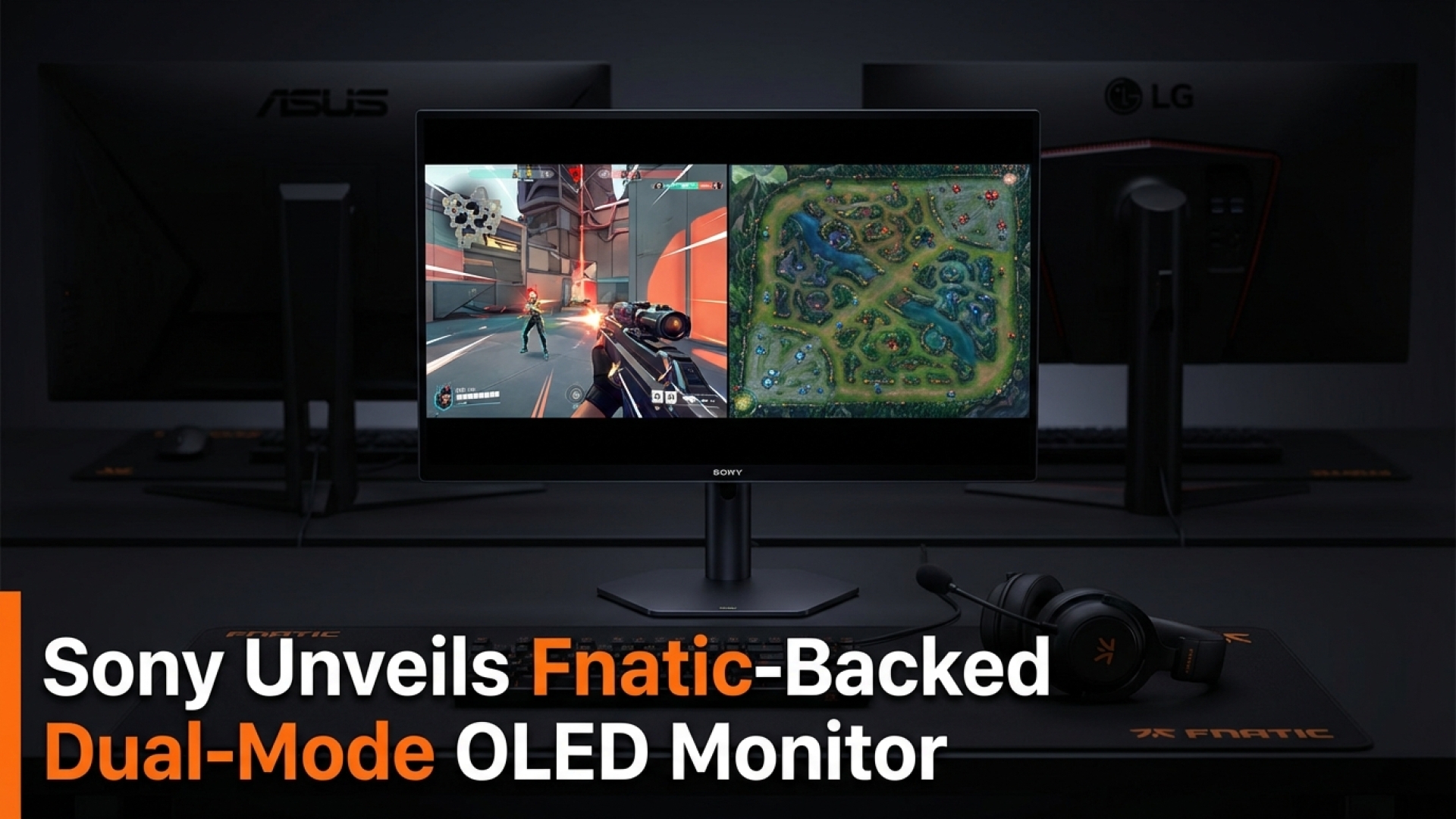
In an increasingly crowded gaming monitor market, standing out requires more than just high numbers on a spec sheet—it requires a narrative that resonates with the community. At Digital Tech Explorer, we’ve tracked the evolution of display technology closely, and Sony’s latest move seeks to bridge the gap between enthusiast hardware and professional-grade performance. Sony’s answer to the competition is the new Inzone M10S II OLED, a dual-mode OLED display designed to challenge the dominance of Asus and LG.
While the hardware itself is impressive, Sony is leaning heavily on its partnership with Fnatic to provide credibility. For those outside the world of professional gaming, Fnatic is a premier global esports performance brand focused on optimizing player potential. By incorporating feedback from professional athletes, Sony aims to offer more than just a direct clone of existing panels, though the core specifications remain strikingly familiar.
Introducing the Sony Inzone M10S II OLED Gaming Monitor
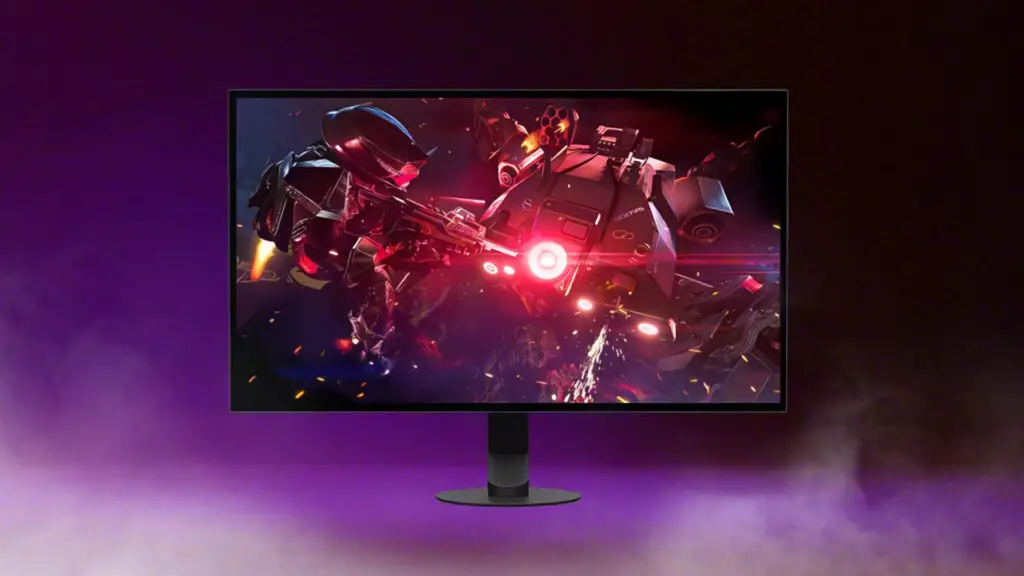
The Inzone M10S II OLED represents a strategic refinement of Sony’s gaming lineup. TechTalesLeo notes that this iteration focuses on “everyday usability” for high-stakes competition. On paper, it shares a DNA similar to the Asus ROG Swift PG27AQWP-W and the LG Ultragear 27GX790B-B, utilizing cutting-edge OLED technology to deliver unmatched response times and color accuracy.
Comparative Specifications: Sony vs. The Competition
To help you make an informed decision, our team has compiled a breakdown of how these three heavy-hitters compare in the current market.
| Feature | Sony Inzone M10S II | Asus ROG Swift PG27AQWP-W | LG Ultragear 27GX790B-B |
|---|---|---|---|
| Panel Size | 27-inch OLED | 27-inch OLED | 27-inch OLED |
| Native Res/Refresh | 1440p @ 540 Hz | 1440p @ 540 Hz | 1440p @ 540 Hz |
| Dual-Mode Res/Refresh | 1080p @ 720 Hz | 1080p @ 720 Hz | 1080p @ 720 Hz |
| MSRP | $1,099.99 | $1,099.00 | $750.00 (Current) |
The Innovation of Dual-Mode Functionality
The standout feature of this new generation of hardware is the dual-mode functionality. At the press of a button, the monitor shifts from a high-fidelity 1440p resolution to a correctly scaled 1080p mode, pushing the refresh rate to a staggering 720 Hz. To cater to the muscle memory of pro players who are used to smaller screens, these monitors can also shrink the active display area to simulate a 24-inch viewing experience.
Pricing and Market Reality
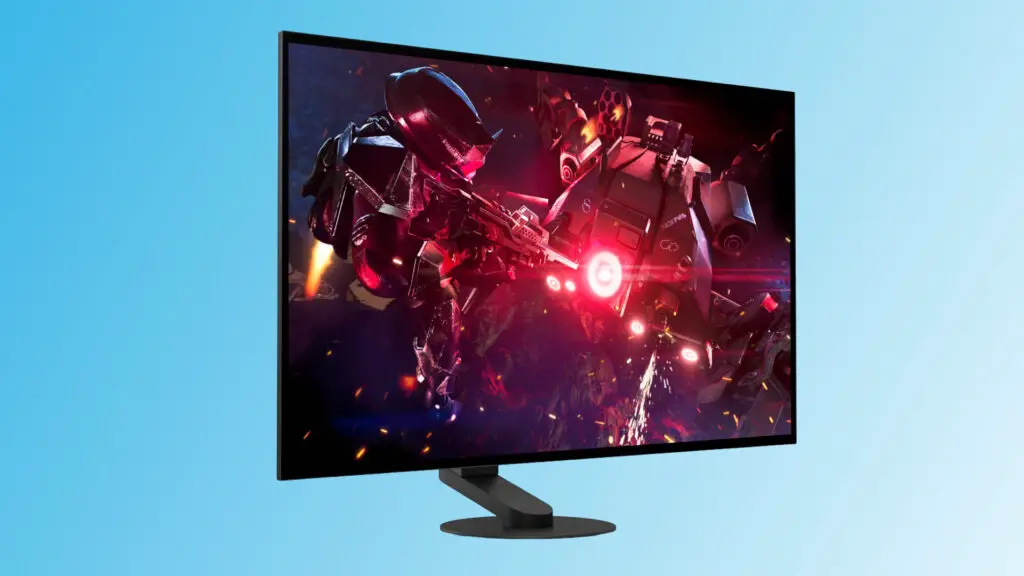
In the world of tech, transparency is key. While the Inzone M10S II offers top-tier performance, its entry price of $1,099.99 places it at the absolute top of the market. Its nearest rival from Asus sits at nearly the same price point, while LG’s Ultragear has seen aggressive discounting, often found around $750. This price gap raises questions about the value of the “Fnatic tuning” for the average enthusiast.
Final Thoughts: Does the Fnatic Brand Justify the Premium?
The Sony Inzone M10S II is undeniably a powerhouse. However, until independent testing confirms if the “pro-feedback” translates into a tangible edge over its competitors, the price remains a hurdle. At Digital Tech Explorer, we believe the trend toward dual-mode displays is exciting, but for many gamers, the value may still lie in larger 32-inch 4K OLED models that offer more versatility for both work and play. Whether you’re a seasoned professional or a rising star in the PC gaming scene, the M10S II is a bold statement from Sony that high-speed OLED technology is here to stay.
For more in-depth reviews and the latest in digital innovation, follow the stories from TechTalesLeo on our author page.