
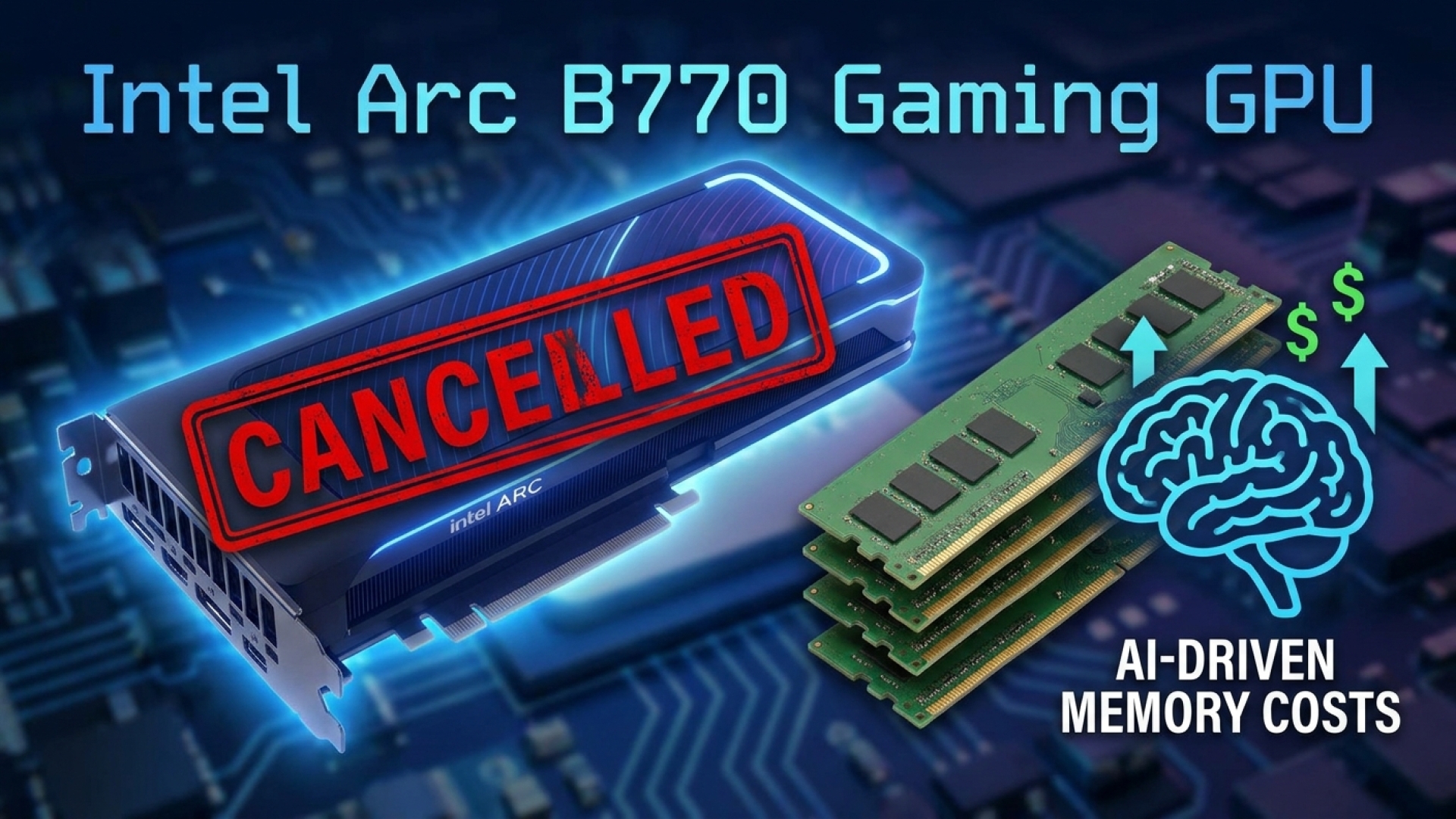
The landscape of the graphics card market is shifting at a breakneck pace, and even the most anticipated hardware isn’t immune to the industry’s volatile currents. Here at Digital Tech Explorer, we’ve been tracking the evolution of Intel’s discrete GPU journey closely. Recent reports suggest a significant course correction: the highly anticipated Intel Arc B770 gaming graphics card has reportedly been cancelled. This decision highlights the immense pressure manufacturers face as the AI boom continues to reshape global supply chains and component costs.
Intel Arc B770: A Casualty of the AI Surge
According to industry reports from XDA Developers, the Intel Arc B770 project is effectively “dead.” The underlying cause is rooted in financial viability. As a seasoned software engineer-led platform, we understand that hardware development is a balancing act of performance and production costs. With the price of memory chips—specifically VRAM—soaring due to high demand in the data center sector, Intel reportedly found it impossible to launch a consumer-grade 16 GB GPU at a price point that would attract gamers while remaining profitable.
Beyond the raw cost of components, Intel must account for validation, global distribution, and the long-term maintenance of GPU drivers. For a company navigating a pivotal comeback in the hardware space, prioritizing efficiency over high-risk consumer launches has become the new mandate.
What Gamers Are Missing: The B770 vs. B580
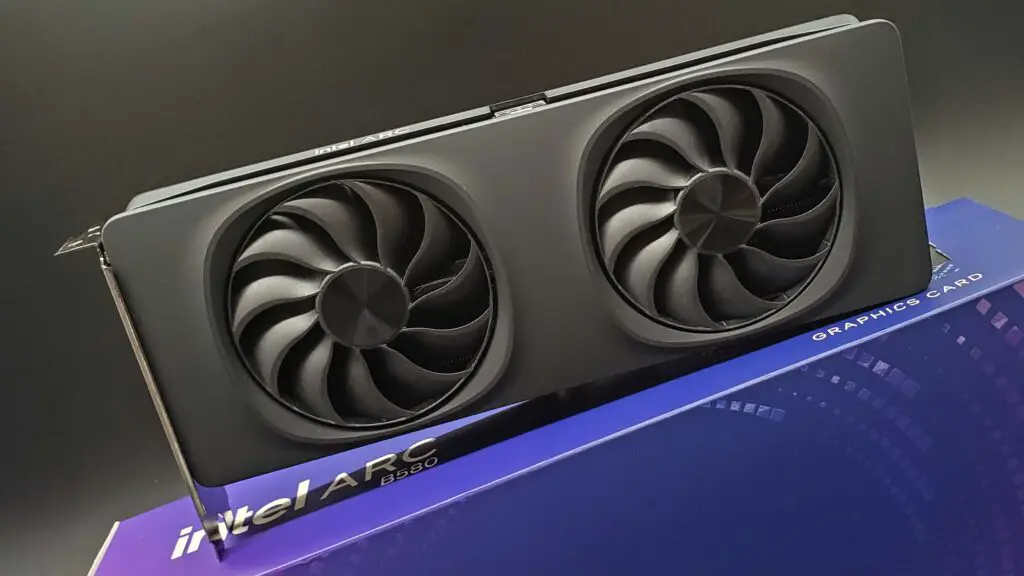
The cancellation of the B770 leaves a noticeable gap in the Battlemage lineup. Based on the G31 chip, the B770 was rumored to be a significant step up from the current Arc B580. TechTalesLeo notes that the loss of a 16 GB frame buffer is particularly stinging for enthusiasts looking for longevity in modern AAA titles.
| Feature | Intel Arc B580 (Released) | Intel Arc B770 (Cancelled) |
|---|---|---|
| XE Cores | 20 | 32 |
| VRAM Capacity | 12 GB | 16 GB |
| Memory Bus | 192-bit | 256-bit |
| Architecture | Battlemage (Xe2) | Battlemage (Xe2) |
The VRAM Crisis and Digital Innovation
The “insatiable demand” for memory chips is almost entirely fueled by the AI sector. In our mission to bridge the gap between complex tech and everyday usability, it’s important to note how enterprise trends dictate consumer reality. High-capacity memory is currently being funneled into AI accelerators, leaving consumer GPU manufacturers in a lurch.
For Intel, a relative newcomer to discrete gaming graphics, competing with established giants like Nvidia and AMD in a high-cost environment is a steep climb. Experts suggest memory prices may not stabilize until 2027, making the commercial viability of a consumer-focused Arc B770 highly unlikely in the near term.
The Professional Pivot: Enter the B70 Pro
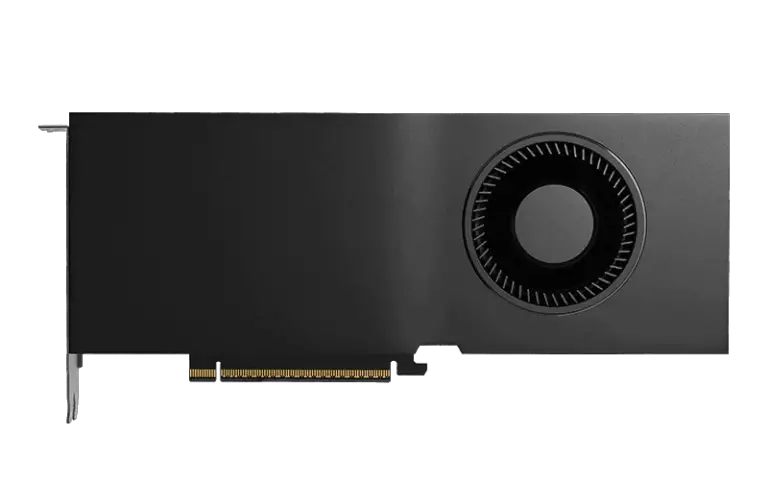
Interestingly, Intel’s response to this crisis isn’t a total retreat but a strategic pivot. Rumors indicate that the silicon intended for the B770 may be repurposed for the professional market. This new card, potentially branded as the B70 Pro, could feature a massive 32 GB of VRAM.
The professional market allows for higher price margins, making it easier to absorb AI-driven component costs. While an Nvidia RTX Pro 4500 with 32 GB can retail for over $2,500, a potential B70 Pro priced around $1,500 could disrupt the market for local AI model development and creative workstations.
Looking Ahead at Digital Tech Explorer
The cancellation of the B770 is a sobering reminder of how the AI boom influences every facet of technology. While gamers may be disappointed, Intel’s shift toward professional-grade hardware could provide the financial stability needed to refine their architecture. Our analysis at Digital Tech Explorer suggests that if Intel finds success in the prosumer and AI spaces, it will eventually fuel a more powerful return to the gaming arena.
Stay tuned to Digital Tech Explorer for more in-depth analyses and the latest updates on Intel’s hardware roadmap.