
Still Humming with Life: A Deep Dive into Konami’s 21-Year MMO Time Capsule, Master of Epic
In 2005, the gaming landscape was undergoing a seismic shift. While the industry watched to see if World of Warcraft would permanently unseat giants like EverQuest and Final Fantasy XI, a unique title from Hudson Soft emerged exclusively in Japan: Master of Epic. Centered on the novel concept of time travel, this colorful fantasy MMO arrived with high ambitions but quickly settled into the background of a crowded market. Today, viewed through the lens of Digital Tech Explorer, it stands as a fascinating living relic of an experimental era in PC games history.
Many MMOs from this period met a familiar fate—failing to secure funding or being shuttered during corporate acquisitions, such as when Konami absorbed Hudson in 2011. However, Master of Epic followed a different path. It cultivated a dedicated, niche audience that has kept the servers humming for over two decades. This sustainability is a testament to the game’s core design; the official news section is already populated with updates for 2026, detailing community contests and special events. Unlike modern titles that often rely on aggressive monetization, its item shop feels like a comfortable accessory rather than a desperate necessity.
Dialing In to the Past: The Technical Experience
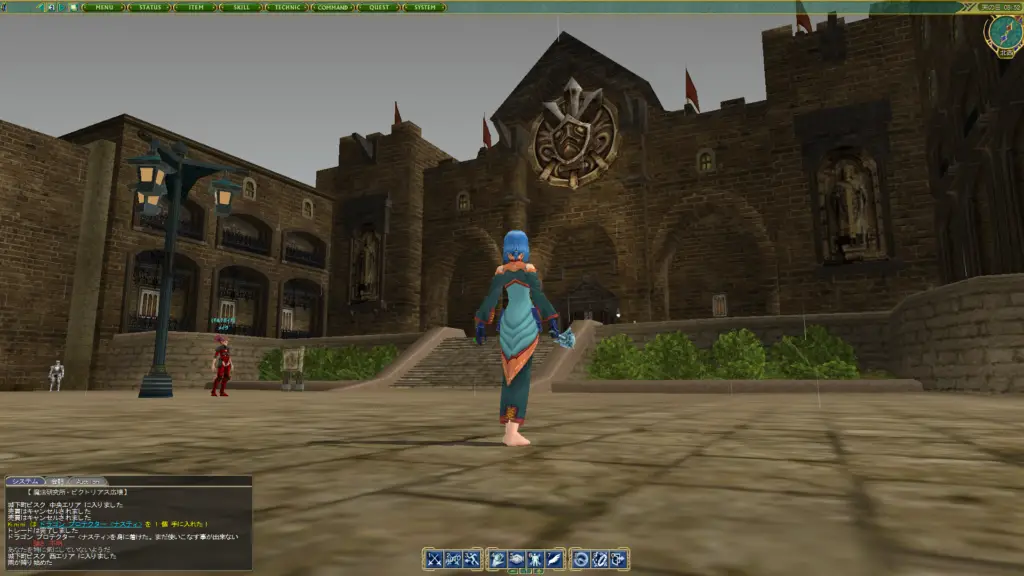
From a hardware and software perspective, accessing Master of Epic is like stepping back in time. The client is notoriously “laid back,” featuring a patching process that can take hours with only a minimal progress bar for company. Yet, for those of us who have navigated the infamously complex PlayOnline service for FFXI, the account creation here is surprisingly straightforward, even in Japanese.
The world inside is “trapped in amber.” While modern gaming focuses on hyper-realistic character creators, MoE offers four races with just five hairstyles each. However, this aesthetic simplicity hides a massive “spaghetti” of underlying systems: housing, pets, factions, and the central mechanic of time travel, where different eras offer entirely distinct storylines and features.
Comparative Analysis: Classic vs. Modern MMO Systems
| Feature | Master of Epic (2005) | Modern Industry Standard |
|---|---|---|
| Progression | Skill-based (850-point cap) | Level-based / Class-locked |
| Navigation | Manual exploration/NPC search | Quest markers & Auto-pathing |
| Survival | Hunger, Thirst, and Stamina decay | Purely cosmetic or minor buffs |
| AI Behavior | Persistent, cross-zone aggression | Tethered “leashing” mechanics |
The 850-Point Freedom
One of the game’s most revolutionary aspects—and one that modern developers often overlook—is the absence of a rigid class system. In Master of Epic, your character is defined by their actions. To master a blade, you must swing it; to learn magic, you must study scrolls and practice casting. This fluid progression is governed by an 850-point skill cap.
What makes this system a “software engineer’s dream” is the level of control it grants the user. You can lock specific skills or even choose to level them down to reallocate points into a new build. It creates a gameplay loop where every mishap, including death, serves as a data point for growth. Even resting after a battle is a mechanical skill that improves over time.
Immersive Friction and “The Spider Incident”
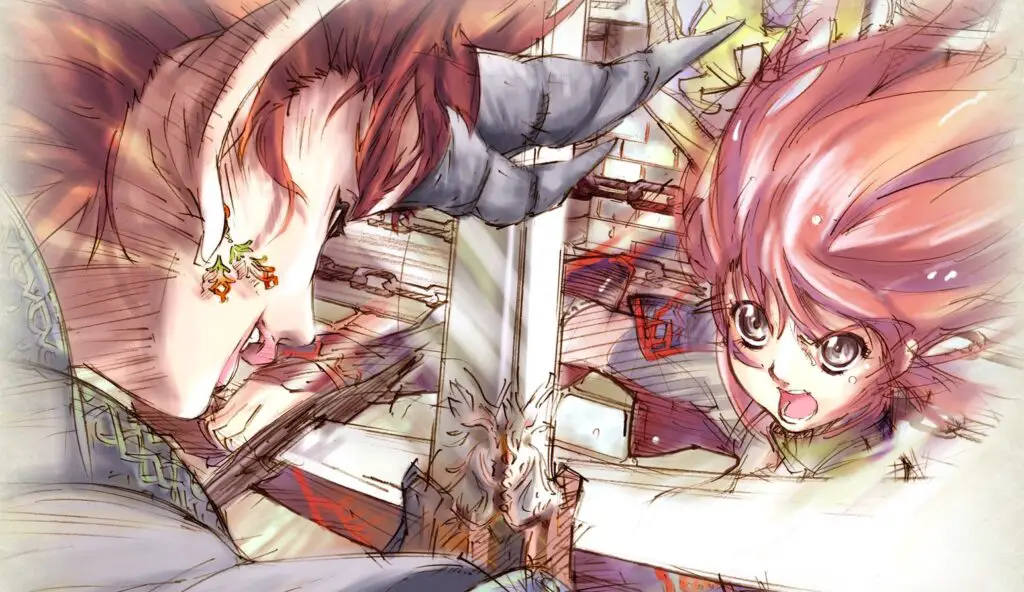
Modern AI in gaming is often designed to be “fair,” but Master of Epic prefers persistence. Without quest markers or teleportation, the world feels massive and intimidating. This “friction” creates memorable experiences that polished, modern games often lack.
Consider the player legend known as “The Spider Incident.” In many MMOs, if you run far enough, a monster will simply “tether” back to its spawn point. Not here. One player recounted a Venom Tarantula that followed them across the horizon, into the sea, and continued swimming until it finally reached its prey. It is this lack of artificial boundaries that makes the world of Diarros feel like a living ecosystem rather than a programmed playground.
A Living Legacy in the Digital Age
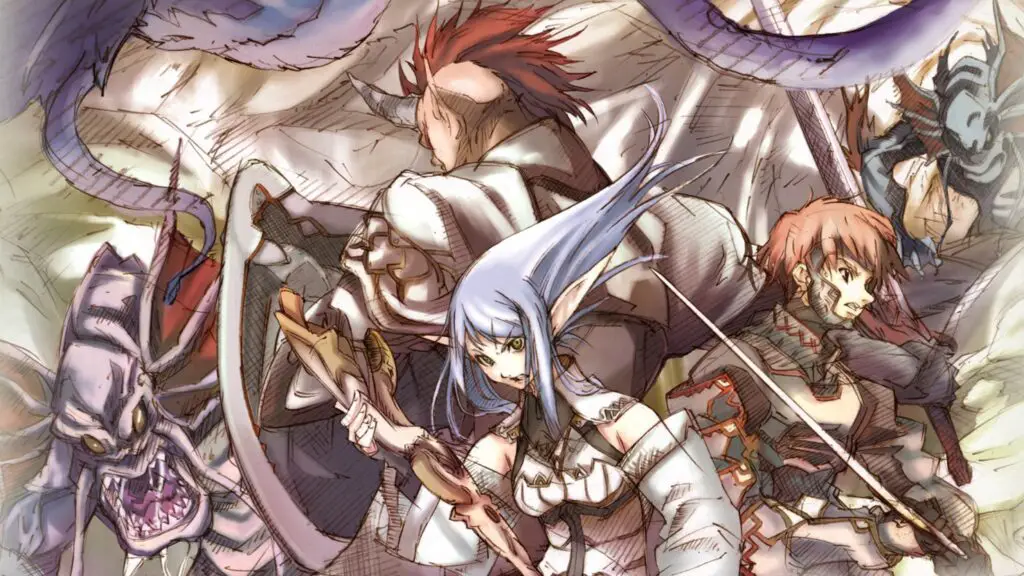
Even after 21 years, Master of Epic hums with life. Its survival is rooted in its refusal to conform to modern trends of “convenience.” By maintaining its original vision, it has become a unique historical artifact that remains fully playable. You can still find players relaxing in player-summoned hot springs, organizing raids, or engaging in arena battles.
For the tech enthusiast, MoE is more than just a game; it is a masterclass in community retention and software longevity. It reminds us that while graphics and speeds may evolve, a deep, engaging system will always find a home.
About Digital Tech Explorer: Digital Tech Explorer is your trusted source for the latest in technology, software, and coding. Founded by a seasoned software engineer, our platform delivers in-depth news, product reviews, and coding insights for tech enthusiasts worldwide.
Disclaimer: All content on Digital Tech Explorer is for informational and entertainment purposes only. We do not provide financial or legal advice. Some links may be affiliate links, meaning we earn a commission at no additional cost to you.