
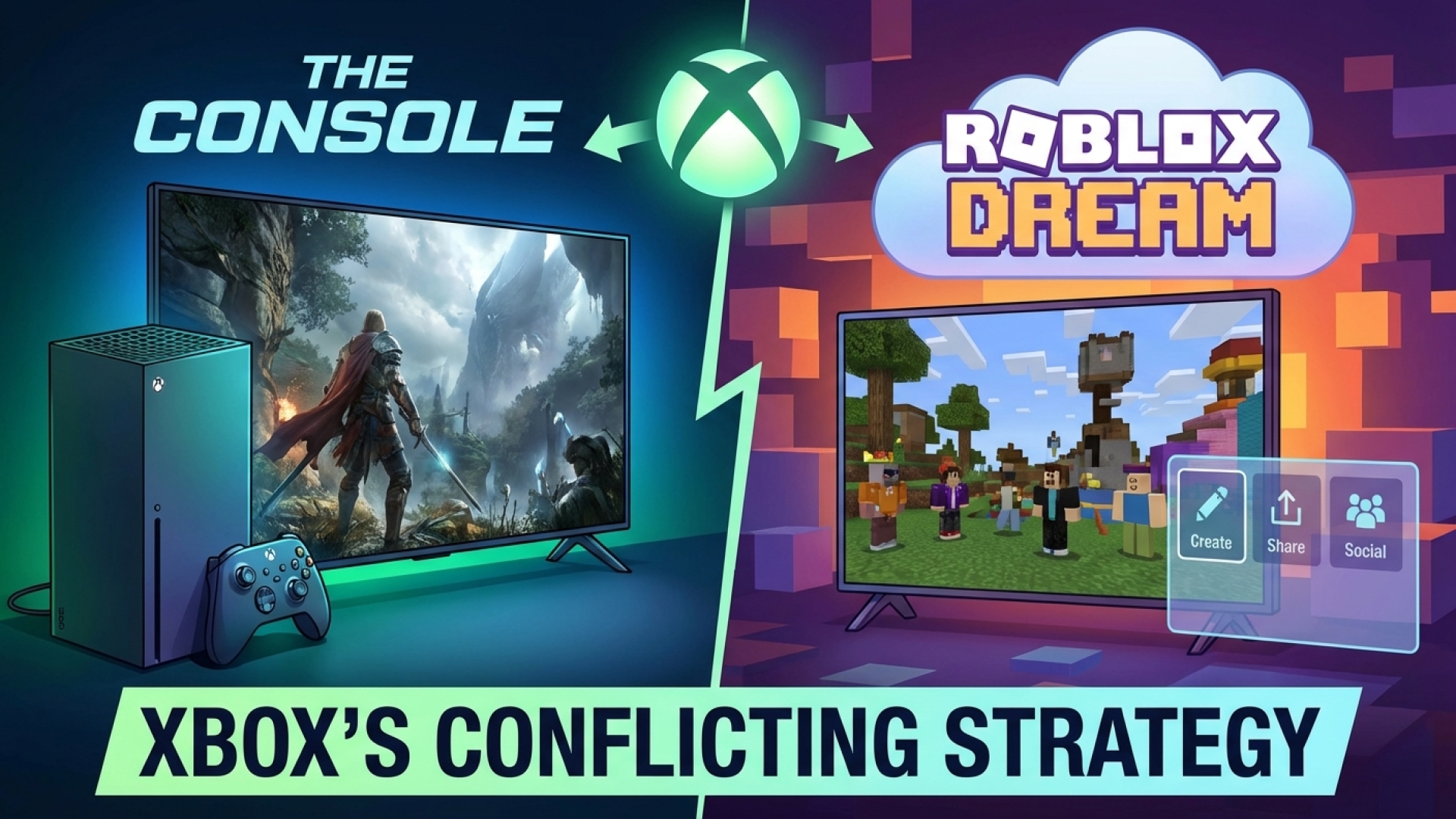
At Digital Tech Explorer, we have closely monitored the shifting tides of the console wars. After years of navigating a competitive landscape dominated by industry titans like PlayStation and the Nintendo Switch, Microsoft’s gaming division is entering a transformative new chapter. Under the previous leadership, the Xbox brand pivoted toward a software-centric model, prioritizing Steam releases, cloud streaming, and the “This is an Xbox” marketing campaign. While this broadened the brand’s reach, it left some hardware enthusiasts wondering about the future of the physical console. Now, with Asha Sharma stepping in as the new Microsoft Gaming CEO, the narrative is shifting back to its foundations.

Xbox’s Strategic Pivot: A Return to Hardware Roots
The leadership transition signals more than just a change in management; it suggests a refined vision that balances software accessibility with hardware excellence. For several years, Microsoft operated as a high-output software publisher, pushing Xbox app functionality to every screen imaginable. However, Sharma’s inaugural address indicates a re-evaluation of this path, pledging to “celebrate our roots with a renewed commitment to Xbox starting with console.” This move aims to reassure the core fanbase that the physical box remains the heartbeat of the ecosystem.
Analyzing the Sharma Era Vision
As a storyteller in the tech space, I find the paradoxes in Sharma’s vision particularly intriguing. Her message attempts to bridge the gap between legacy hardware and the future of AI and digital expansion. Here are the core pillars of this new strategy:
- Core Fan Re-engagement: A promise to prioritize dedicated Xbox players while simultaneously exploring “new categories and markets.”
- Ethical Innovation: A focus on moving with urgency in a changing market, while explicitly vowing to avoid “soulless AI slop” in favor of meaningful machine learning applications.
- Cross-Platform Fluidity: Maintaining expansion across PC, mobile, and cloud, ensuring developers can “build once and reach players everywhere.”
- The Renegade Spirit: A call to return to the disruptive, “renegade” energy that launched the original Xbox, despite Microsoft now being a $3 trillion tech behemoth.
To better understand how this vision compares to the previous “Software-First” era, we’ve broken down the key strategic shifts in the table below:
| Strategic Focus | Previous Strategy | New Sharma Vision |
|---|---|---|
| Primary Platform | Agnostic (Cloud/App/Console) | Renewed Focus on Console Hardware |
| Development Goal | Multi-platform saturation | “Build once, reach everywhere” tools |
| Content Philosophy | Volume-based subscription growth | Leveraging “iconic teams and worlds” |
| Emerging Tech | General AI integration | Curation over “AI slop” |

Game Pass Evolution and the Rise of User-Generated Content
At Digital Tech Explorer, we analyze data as much as we analyze stories. A significant challenge for the new CEO involves the Xbox Game Pass model. While revolutionary, the service has faced hurdles in subscriber growth. Recent industry reports indicated that high-profile releases like Black Ops 6 saw massive sales on the PlayStation 5—where the game is a full-price purchase—potentially highlighting the “cannibalization” effect of day-one subscription launches on Xbox.
Sharma’s response to this is a move toward “inventing new business models.” By leaning into “iconic teams, characters, and worlds,” Microsoft appears to be eyeing a community-driven future. The mention of building shared platforms and tools suggests an interest in the “Roblox model”—allowing players to create, share, and potentially monetize their own experiences within Xbox-owned IPs. For gaming enthusiasts and developers alike, this could represent a massive shift in how we interact with our favorite franchises.
As we continue to track these developments in PC games and console technology, one thing is clear: Xbox is no longer content with being just an app on your TV. They want to be the platform where the next generation of stories is both told and created.
Affiliate Disclaimer: Some of the links on Digital Tech Explorer are affiliate links. This means we may earn a commission if you click through and make a purchase, at no additional cost to you. Our recommendations are based on thorough research and personal experience. All content is for informational and entertainment purposes only.