
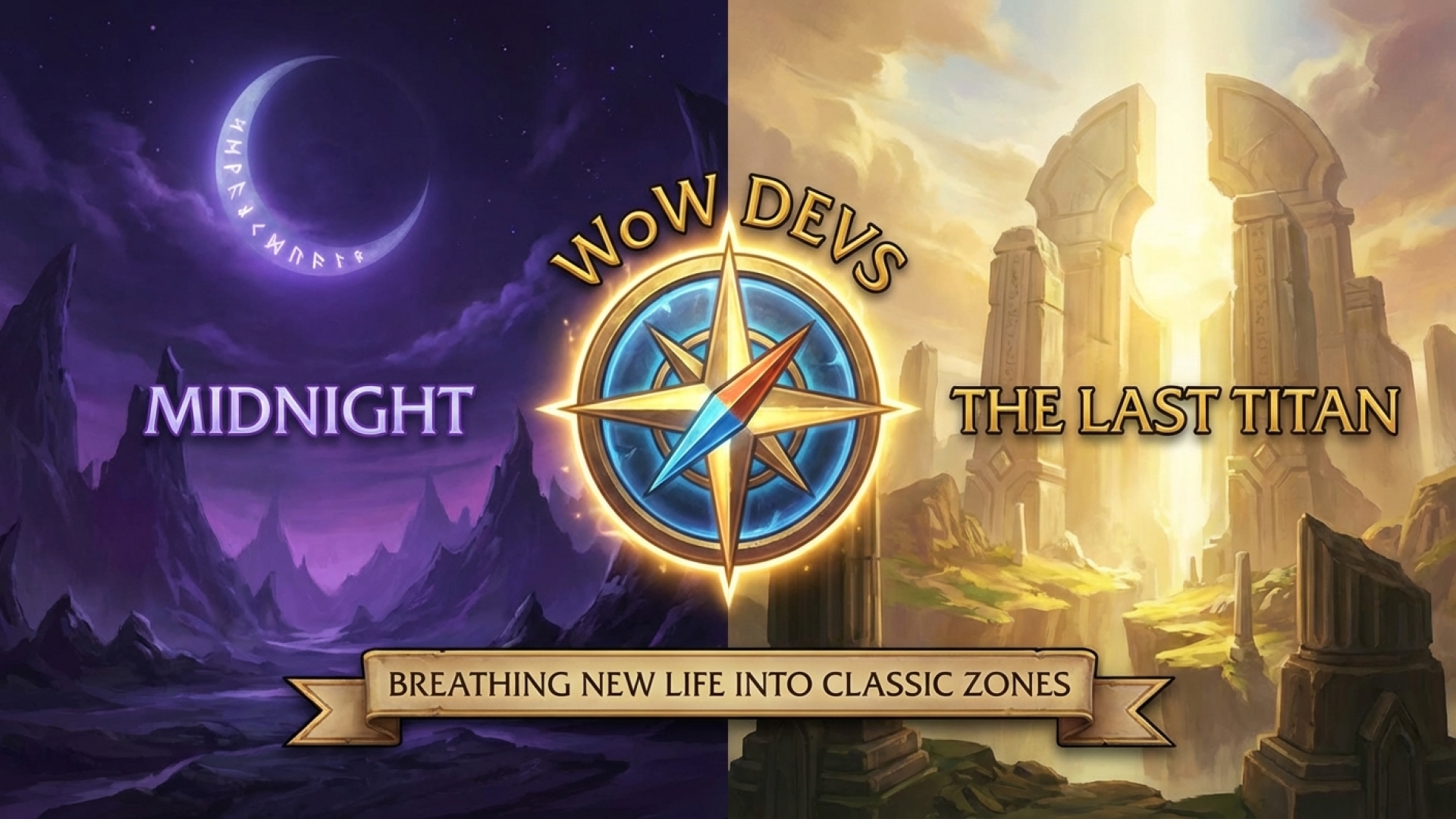
As we navigate the ever-evolving landscape of digital innovation, few titles have demonstrated the longevity and adaptability of World of Warcraft. With the upcoming gaming expansion, World of Warcraft: Midnight, Blizzard Entertainment is taking a bold step backward to move the franchise forward. By reimagining the iconic zones from 2007’s The Burning Crusade, the developers are proving that the most compelling stories often lie within the foundations we’ve already built.
A Strategic Shift in Azeroth’s Digital Geography
For decades, the standard formula for PC games in the MMO genre has been the introduction of entirely new, disconnected continents. However, Digital Tech Explorer has observed a significant shift in Blizzard’s strategy. Instead of abandoning the established world building of the last 20 years, the “Midnight” expansion—and the subsequent “The Last Titan”—will focus on refreshing existing geography, starting with a modernized Northrend and a revamped Quel’Thalas.
In a recent deep dive, Associate Game Director Paul Kubit articulated the philosophy behind this return to roots. He noted that it would be a missed opportunity to confine every new narrative to a “liminal space” or isolated island. By returning to landmarks like Light’s Hope Chapel, Wyrmrest Temple, or the faction capitals of Orgrimmar and Stormwind, the developers are tapping into a reservoir of player memory that new zones simply cannot replicate.
Upgrading the Foundation: From 2007 Textures to Modern Fidelity
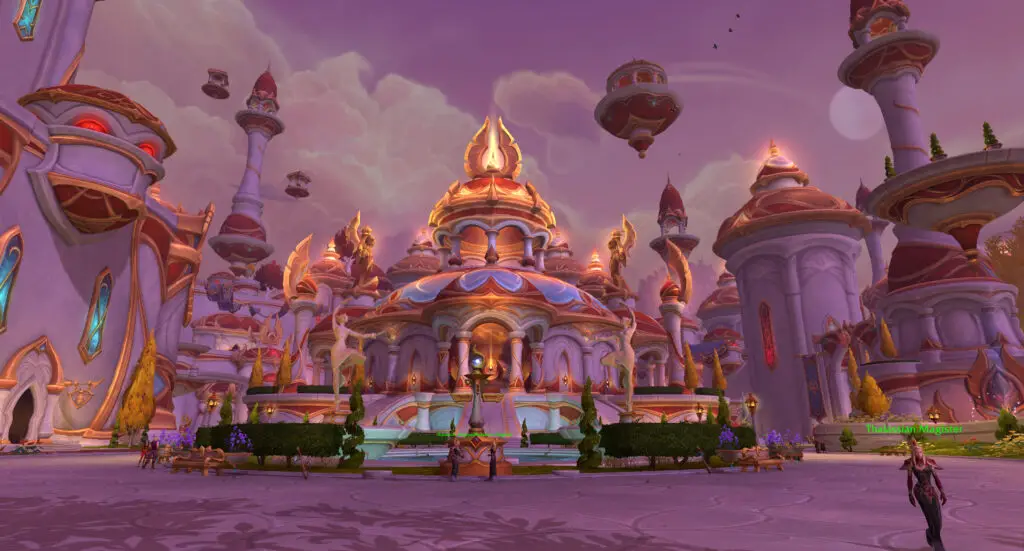
One of the primary challenges in revisiting older content is the technological gap. Modern hardware and high-resolution displays often highlight the limitations of assets created nearly two decades ago. Kubit addressed these concerns, emphasizing that while “crunchy 2007 textures” are being addressed, the emotional resonance of the storytelling often outweighs the technical age of the environment. A prime example of this technical and artistic overhaul is the massive makeover planned for Silvermoon City, which is set to become a central hub once more.
Expanding the Lore: The Evolution of the Amani
From a narrative perspective, revisiting old zones allows the team to “flesh out” previously one-dimensional elements. Game Designer Jake Shillan highlighted the Amani trolls as a key focus. In The Burning Crusade, the Amani were largely relegated to a single raid, Zul’Aman, with their leader Zul’jin serving as little more than a source for “purple pants” (epic loot). In Midnight, the goal is to expand this “little ball of dough” into a “whole pizza,” providing depth and agency to a culture that has existed in the background of Azeroth for years.
| Expansion Phase | Primary Focus Zone | Key Narrative Element |
|---|---|---|
| Midnight | Quel’Thalas / Silvermoon | The Sunwell and the Void invasion |
| Midnight (Questline) | Arator’s Journey | Cross-continent “Old World” gauntlet |
| The Last Titan | Northrend | The return of the Titans and Ulduar |
A Collaborative Effort in Digital Storytelling
I too grew up playing World of Warcraft, I spent way too many hours on blood elves in—what was it, 2006? … It’s so many great creative minds coming together, figuring out what can we do with these lego pieces.
Kim Flack, Senior Game Designer
As TechTalesLeo, I find the human element of this development cycle particularly compelling. Many of the current designers at Blizzard were fans before they were employees. Senior Game Designer Kim Flack described the process of revisiting these zones as “meeting a friend you haven’t seen in 20 years.” This nostalgic connection ensures that the updates are handled with respect for the original source material while leveraging modern software solutions to enhance the experience.
This initiative also introduces new gameplay mechanics, such as the 2024 releases of the “Prey system,” where characters like Astalor Bloodsworn will play an integral role. For the team at Digital Tech Explorer, this represent a perfect marriage of technical refinement and legacy storytelling—ensuring that the world of Azeroth remains as relevant today as it was in 2004.
For more insights into the latest software trends and digital innovations, visit TechTalesLeo’s author page. Explore our full coverage of 2024 tech trends and stay ahead of the curve.
Affiliate Disclaimer: Some of the links on Digital Tech Explorer are affiliate links. This means we may earn a commission if you click through and make a purchase, at no additional cost to you. Our recommendations are based on thorough research and personal experience.