
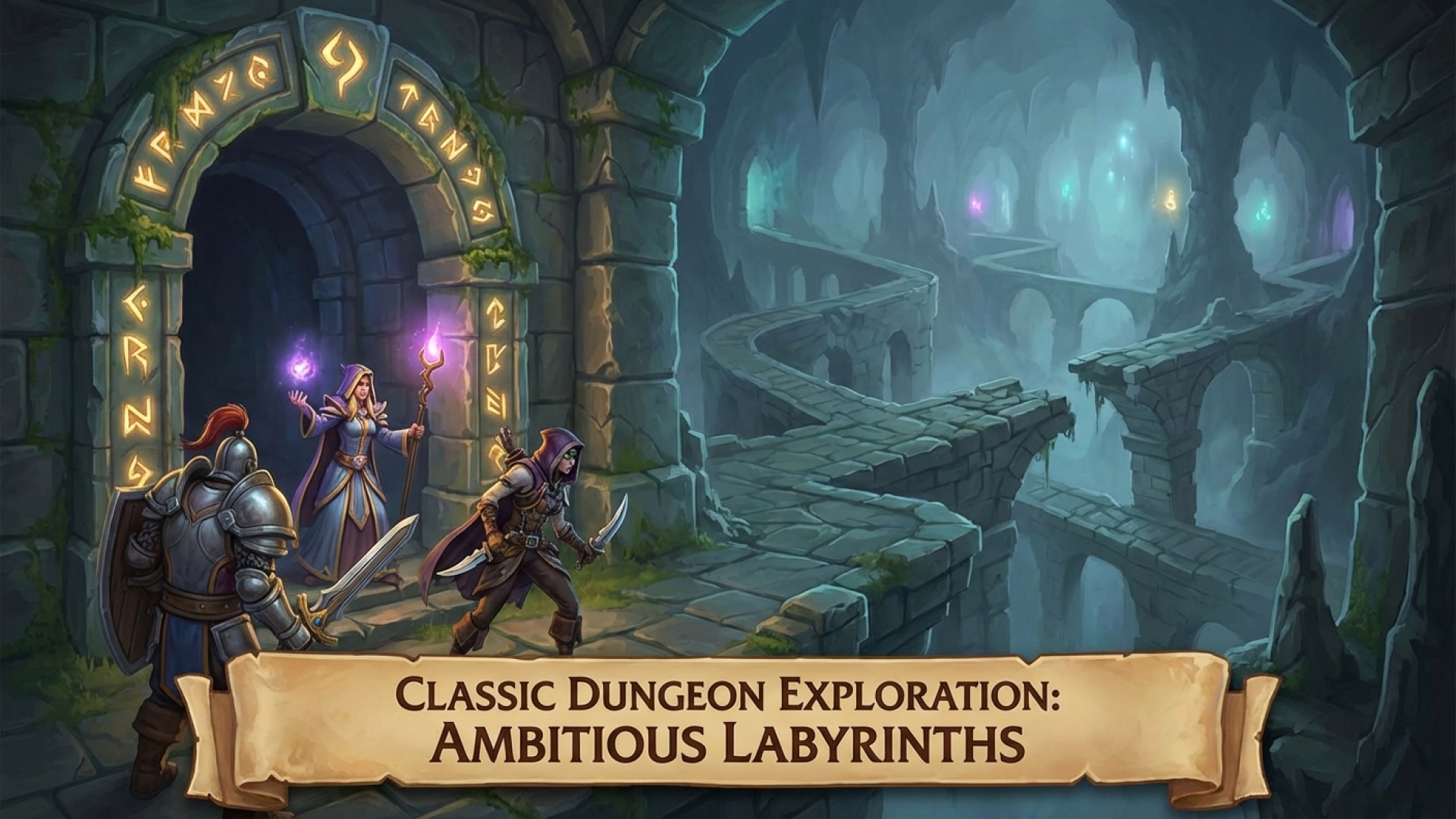
For those of us who grew up navigating the labyrinthine corridors of early MMO dungeons, there was a specific kind of magic in getting lost. Here at Digital Tech Explorer, we often discuss how software design evolves to meet modern attention spans, but sometimes, something vital is left on the cutting room floor. In the world of Azeroth, the shift from sprawling, multi-hour epics to linear, fifteen-minute sprints has been a point of contention for years. However, a major design pivot is on the horizon.
I recently looked into the latest updates from the World of Warcraft development team. Associate game director Paul Kubit and lead encounter designer Dylan Barker have begun discussing Labyrinths—an upcoming feature set for the Midnight expansion. While it is still in active development and slated for a post-launch patch, Labyrinths represents a significant evolution of the Delves system introduced in The War Within. From a gaming design perspective, this feels like a return to the “software-as-an-experience” roots of the genre.
The Impact of Efficiency: How Mythic+ Changed the Code
The current state of PC games often prioritizes “bite-sized” content—tasks you can complete in a lunch break. Delves successfully tapped into this, allowing solo players or small groups to tackle varying difficulty tiers in short bursts. Labyrinths, however, are intended to be the antithesis of the “quick fix.” We are looking at massive areas that might require multiple sessions for a group to fully map out and conquer.
“Delves have shown us that there’s a huge appetite for solo-friendly content where you can really test your class mechanics against real monsters for meaningful rewards,” Barker noted during recent discussions. He suggests that Labyrinths are the natural progression of this enthusiasm, asking: ‘How much further can we push the boundaries of exploration?’
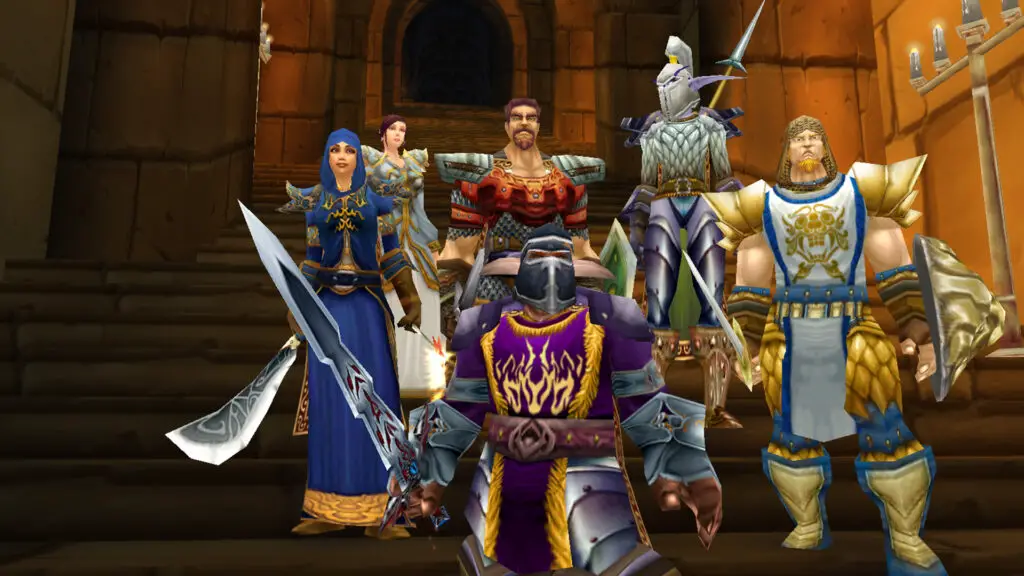
The necessity for this change stems from the dominance of Mythic+. While this timed, high-pressure mode has been a massive success for the competitive community, it fundamentally altered how hardware resources and design hours are allocated. Dungeons became “gauntlets” rather than “places.”
Restoring the “RPG Fantasy” to Dungeon Crawling
Kubit admits that the hyper-focus on Mythic+ optimization might have cost the game its sense of scale. In the early days of Classic, dungeons like Maraudon or the Blackrock complexes were massive architectural feats containing upwards of 20 bosses. Modern dungeons have standardized to a three-to-five-boss template to fit the competitive timer. To visualize this shift, here is a breakdown of how design philosophy has transitioned:
| Feature | Classic Era Dungeons | Modern Mythic+ Dungeons | Upcoming Labyrinths |
|---|---|---|---|
| Primary Goal | Exploration & Immersion | Efficiency & Speed | Non-linear Adventure |
| Time Investment | 1–3 Hours | 20–40 Minutes | Multi-session / “Weekend Project” |
| Boss Count | 8–20 Bosses | 3–5 Bosses | Extensive / Variable |
| Pathing | Open/Maze-like | Linear Corridors | Dynamic Exploration |
This “weekend project” feeling is exactly what TechTalesLeo and the team at Digital Tech Explorer value in a deep RPG experience. There is a specific emotional satisfaction in getting “lost” in a digital environment with friends, where the goal isn’t just the loot at the end, but the journey through the cavern itself.
The Future of Discovery in Midnight
The nostalgia factor here is high, but the implementation is modern. By utilizing the Delve technology—which scales for solo players or small groups—Labyrinths could provide the best of both worlds. It offers the grand scale of Classic World of Warcraft without the rigid social requirements of 40-man raids or the ticking clock of Mythic+.
As we continue to track the development of Midnight, it’s clear that Blizzard is listening to the subset of the community that misses the “World” in Warcraft. If Labyrinths can successfully deliver that sense of epic scale, it might just reinvigorate the joy of discovery for a new generation of adventurers. Stay tuned to Digital Tech Explorer as we monitor the technical rollout and gameplay balancing of this ambitious new feature.
For more in-depth analyses of game design and the latest in digital innovation, follow the latest stories from TechTalesLeo.