
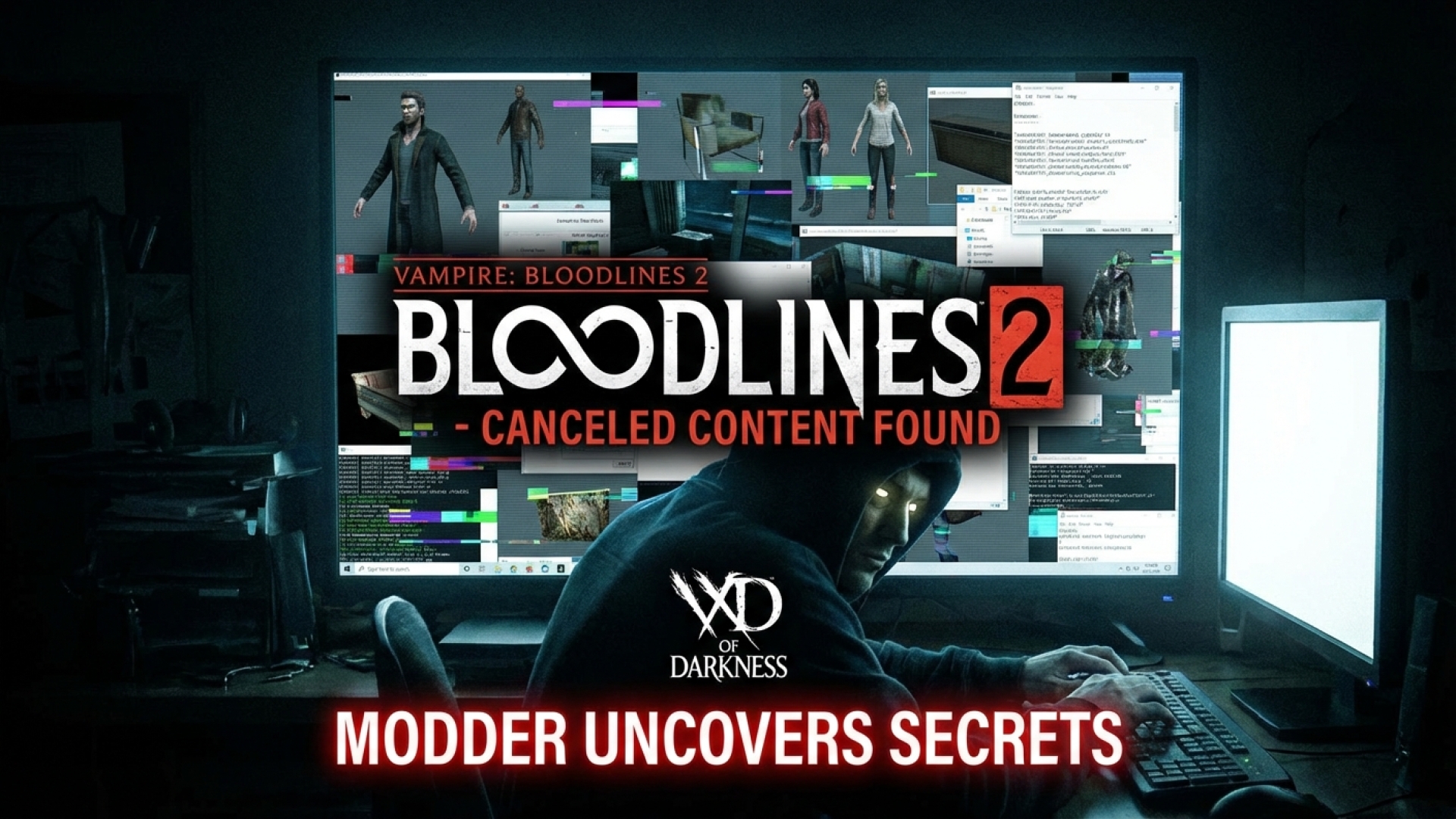
At Digital Tech Explorer, we love diving into the “what ifs” of software development. Recently, Werner “Wesp5” Spahl—the legendary developer behind the Vampire: The Masquerade – Bloodlines Unofficial Patch—has unearthed a digital time capsule. He has released a significant collection of assets and footage from the original, now-canceled iteration of Bloodlines 2. This version, spearheaded by Hardsuit Labs, was famously shelved by Paradox in 2021 before the project was eventually handed over to The Chinese Room.

Uncovering the Lost Assets of Hardsuit Labs
As a storyteller in the tech space, I find these glimpses into abandoned codebases fascinating. Wesp5 has shared four distinct videos that serve as a technical and creative post-mortem of the Hardsuit Labs build. This follows his earlier reveal of a silent demo reel focusing on vampire powers, providing a clearer picture of what the gaming community almost received.
The latest updates include two atmospheric slideshows. These feature character models and environmental concept art set to the haunting melodies of Rik Schaffer, the original composer. The video titled “HSL Bloodlines 2 – People” showcases high-fidelity character renders, while “HSL Bloodlines 2 – Locations” highlights the intricate map designs and mood-setting environments designed for this version of Seattle.
Beyond static images, Wesp5 uploaded two substantial gameplay sequences that provide a “boots on the ground” look at the project’s mechanics:
- The Warehouse: This sequence details an infiltration mission. It features early implementations of a boss encounter and scripts for vampire mind control during an office party scene.
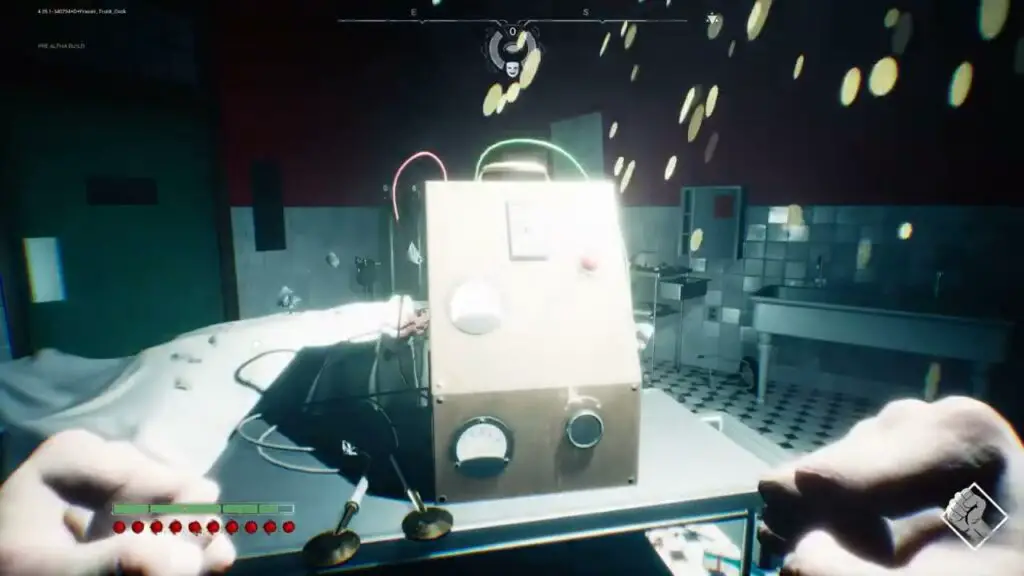
- The Medical Level: Set in a derelict hospital, this footage is a masterclass in atmospheric horror. With its jump scares and 1930s flashbacks, it feels like a spiritual successor to the original game’s famous Ocean House Hotel level.
A Tale of Two Engines: Hardsuit Labs vs. The Chinese Room
When we analyze these builds from a software and design perspective, the differences are stark. The Hardsuit Labs version, while unpolished, leaned heavily into deep RPG mechanics. It felt more in line with “Immersive Sim” traditions—similar to the design philosophy of The Elder Scrolls—where interactivity and player choice are paramount.

In contrast, the version developed by The Chinese Room prioritizes fluid action-RPG combat and a more directed narrative. While critics have noted that the current release is a competent title, some long-term fans miss the “clunky but deep” complexity seen in the Hardsuit footage. As we see so often in the tech world, the transition from an ambitious, sprawling vision to a shippable product often requires significant trade-offs in complexity for the sake of stability.
Whether the Hardsuit Labs version would have ever been “finished” to a satisfactory degree remains a mystery of the 2024 releases cycle. However, thanks to the archiving efforts of creators like Wesp5, these digital stories aren’t lost to time. They remain a vital study for developers and enthusiasts interested in the evolution of modern RPGs.
Disclaimer: All content on Digital Tech Explorer is for informational and entertainment purposes only. We do not provide financial or legal advice. Some of the links on Digital Tech Explorer are affiliate links. This means we may earn a commission if you click through and make a purchase, at no additional cost to you. Our recommendations are based on thorough research and personal experience.