
As we navigate the evolving landscape of digital privacy, a significant shift is coming to one of the world’s most popular communication platforms. Starting this March, Discord will begin rolling out global facial scanning and ID checks. This move is designed to segment the user base, specifically targeting those who wish to avoid being restricted to what the platform calls a “teen-appropriate experience.”
For many users, the immediate impact might seem minimal. For instance, losing access to “stage channels”—where designated speakers address a listen-only audience—might not disrupt the daily routine of the average gamer or developer. However, the implications of “Teenage Discord Purgatory” go much deeper than just missing a few audio features. Users who opt out of sharing sensitive personal data will face stricter limitations on direct messaging, friend requests, and, most notably, total exclusion from specific servers.
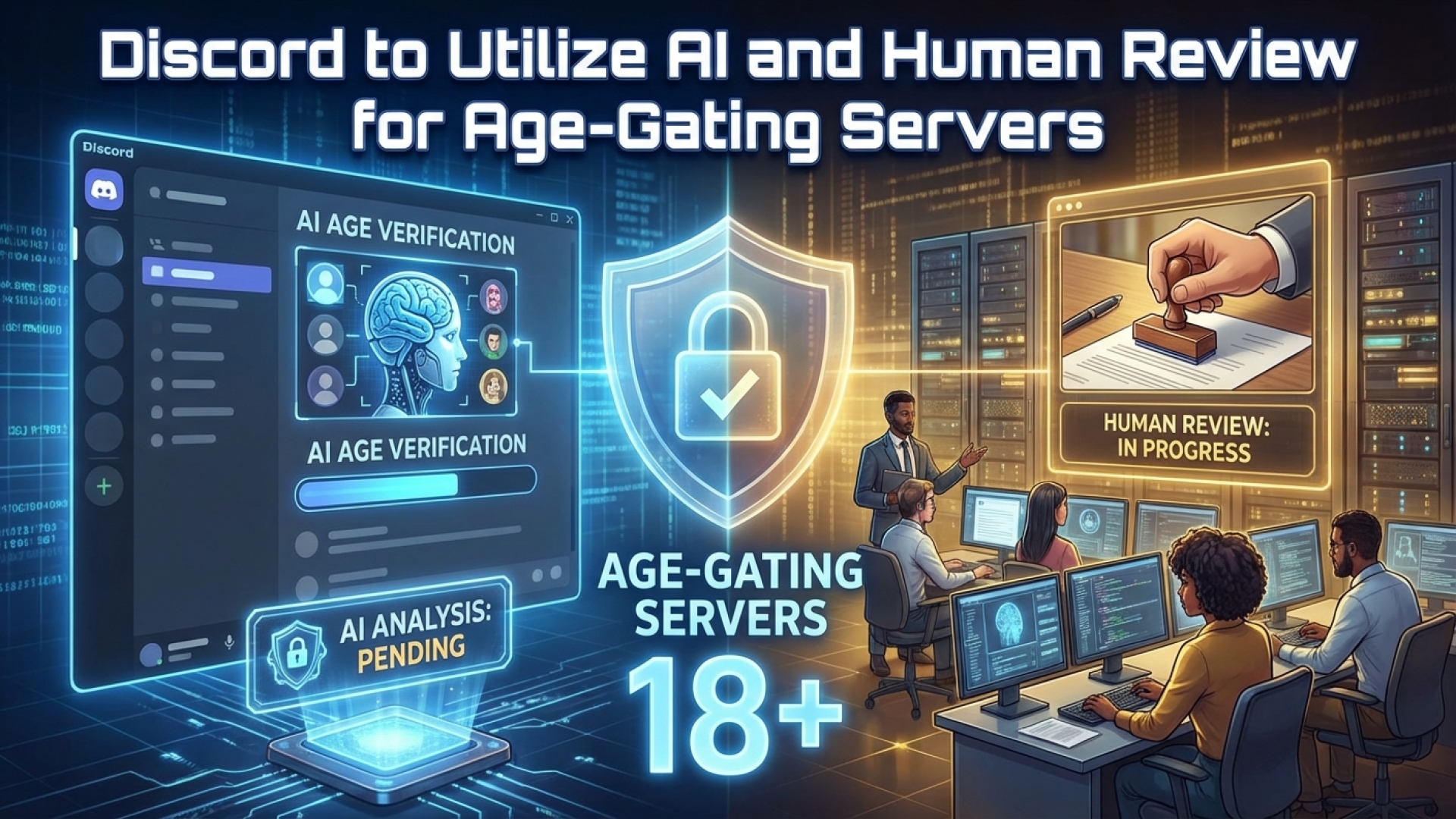
At Digital Tech Explorer, we keep a close eye on how AI and automated systems govern our digital spaces. Discord has clarified that they won’t automatically age-gate content based on a game’s official rating alone. Instead, the platform is implementing a layered approach: a combination of automated detection with AI validation and human review to proactively identify and age-gate servers. While the promise of human oversight is meant to offer peace of mind, the reliance on machine learning to moderate social nuances remains a point of contention for tech enthusiasts.

The controversy doesn’t stop at AI moderation. In the UK, some users are already being funneled into “experiments” involving age-verification vendors with ties to major surveillance tech. Specifically, these vendors have financial backing from figures like Peter Thiel, the co-founder of Palantir—a company deeply embedded in high-level data surveillance. For those of us who prioritize transparency and data sovereignty, this adds a layer of concern regarding how our biometric data is handled.
As TechTalesLeo, I believe in bridging the gap between complex hardware trends and everyday usability. When a platform’s barrier to entry requires handing over a government ID or a facial scan, it’s a sign to look at the broader ecosystem. Whether it’s exploring Android-based privacy tools or returning to the roots of the web with Internet Relay Chat (IRC), the tech community is already seeking out alternatives that value user privacy over biometric data harvesting.
For those looking to stay ahead of these trends, it may be time to evaluate your favorite PC games communities and consider whether the convenience of Discord is worth the growing cost of your personal data.