
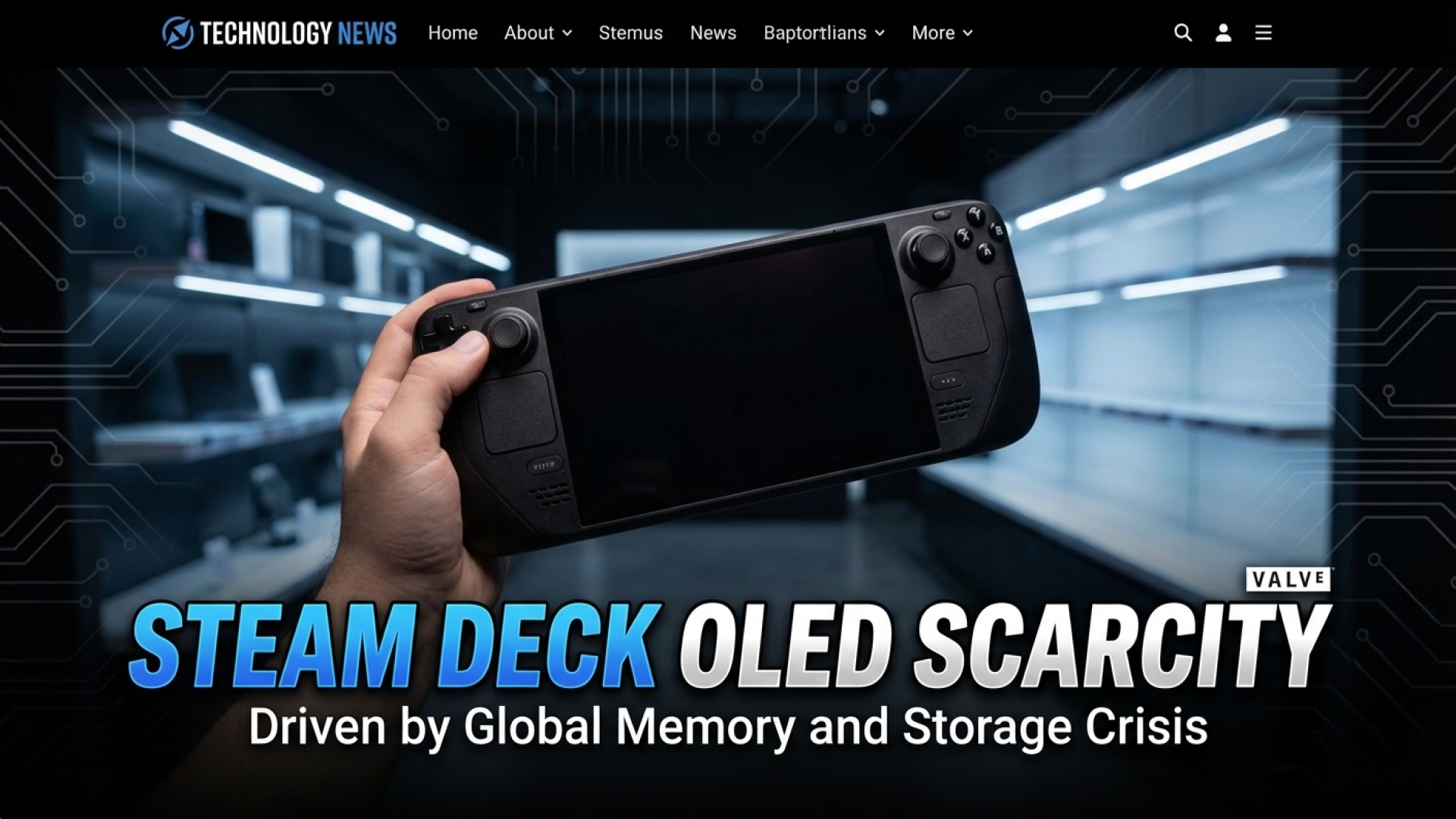
At Digital Tech Explorer, we’ve been tracking the meteoric rise of handheld gaming, but even the industry’s top performers aren’t immune to global economic shifts. Recent reports of the Steam Deck OLED facing scarcity in the United States have finally been confirmed by Valve. The culprit? A persistent global shortage of memory and storage components that is currently reshaping the entire tech landscape.

The Silicon Squeeze: Why Your Next Upgrade Might Be Delayed
Valve recently updated the Steam Deck store page with a transparent warning: “Steam Deck OLED may be out-of-stock intermittently in some regions due to memory and storage shortages.” As a software engineer-led platform, we recognize this isn’t just a Valve issue; it’s a systemic bottleneck. The rising costs of RAM and SSD hardware are forcing manufacturers to make difficult choices regarding production volume and retail pricing.
This component drought has already claimed casualties in the form of delayed timelines. Valve’s ambitious Steam Machine project, which many in the gaming community have been eagerly anticipating, is seeing its roadmap shift as the cost of essential parts continues to fluctuate.
Industry-Wide Impact: Sony, Nintendo, and Valve
The “memory crisis” is casting a long shadow over the future of consoles. To give you a clearer picture of how this affects the market, we’ve summarized the current status of the major players below:
| Company/Product | Current Impact | Future Outlook |
|---|---|---|
| Valve (Steam Deck) | Intermittent stock outages in the US. | Focusing on region-specific supply stabilization. |
| Sony (PlayStation) | Increased production costs for current units. | Next-gen launch potentially delayed to 2029. |
| Nintendo (Switch 2) | Evaluating component price hikes. | Potential for a higher MSRP at launch. |
While UK and Australian markets currently show stable availability for the OLED models, the fluidity of the global supply chain means these conditions can change overnight. For those of us deep in the world of PC games and digital innovation, it’s a stark reminder of how fragile the “just-in-time” manufacturing model can be.
The AI Factor: A Voracious Appetite for Data
You might wonder why memory has suddenly become the new gold. The answer lies in the explosive growth of the AI industry. Large language models and advanced machine learning platforms require staggering amounts of high-performance RAM and ultra-fast storage to function. This “AI tax” is effectively siphoning resources away from consumer electronics, leaving gamers and tech enthusiasts to deal with the leftovers.
Valve’s official stance reflects this reality: “The limited availability and growing prices of these critical components mean we must revisit our exact shipping schedule and pricing.” This specifically impacts future-leaning projects like the Steam Frame, proving that even the most innovative hardware ecosystems must bow to the realities of the silicon market.
Final Thoughts from TechTalesLeo
At the intersection of storytelling and technology, we often see how a single innovation—like the rise of AI—can have unintended consequences on how we play and create. While the Steam Deck OLED remains a marvel of handheld engineering, its current scarcity is a chapter in a much larger story about global resource competition. Stay tuned to Digital Tech Explorer as we continue to monitor these trends and provide you with the insights needed to navigate the evolving tech landscape.
Affiliate Disclaimer: Some of the links on Digital Tech Explorer are affiliate links. This means we may earn a commission if you click through and make a purchase, at no additional cost to you. Our recommendations are based on thorough research and personal experience. All content is for informational and entertainment purposes only.