
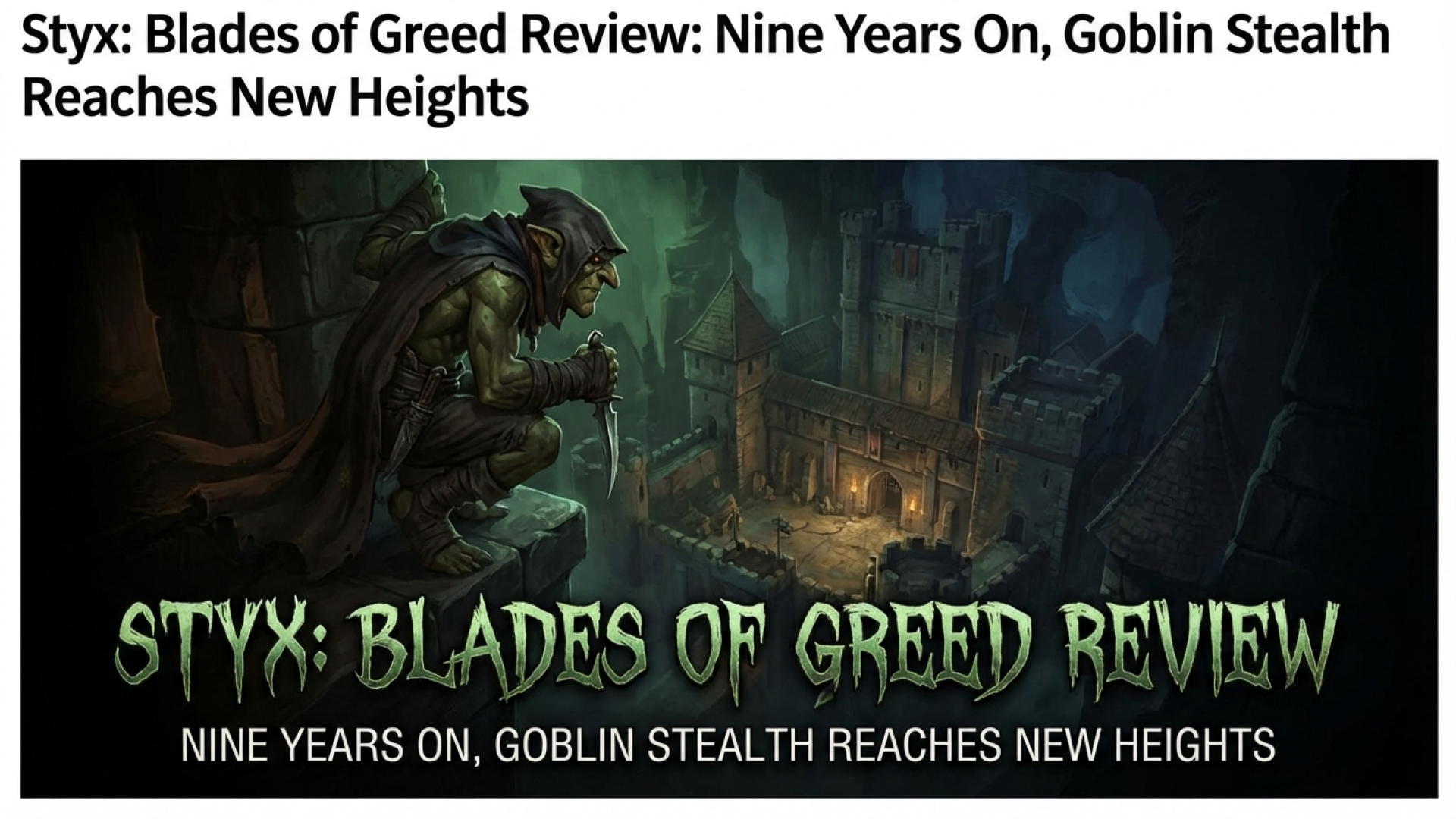
Nine years in the making, Cyanide Studio has finally delivered Styx: Blades of Greed, a title that successfully expands the scope of its stealth-focused series without compromising its core identity. At Digital Tech Explorer, we’ve been tracking this development closely, and this semi-open world adventure does not disappoint. It plunges players back into the shadowy domain of Styx, our favorite foul-mouthed goblin protagonist, for dozens of hours of intricate sneaking and tactical terror.
Expanding the World of Stealth
Blades of Greed marks a significant pivot toward a semi-open world format. While it retains the meticulous level design of its predecessors, the scope is far more ambitious. Players navigate three massive maps defined by incredible verticality. In terms of level design, these environments make legendary vertical stages like Dark Souls’ Blighttown feel flat by comparison. For enthusiasts of gaming architecture, the structural complexity here encourages extensive exploration and offers massive replayability.
A standout innovation is the introduction of Metroidvania-style traversal upgrades. These tools make returning to previously visited regions rewarding and tactically interesting. Key upgrades include:
- The Hookshot: Essential for reaching otherwise inaccessible heights or executing rapid vertical ascents.
- The Parachute: Allows Styx to ride wind columns like elevators or break long falls safely.
These mechanics are integrated seamlessly into the narrative beats, enhancing the sense of progression and discovery as you master the environment.
Styx’s Evolving Abilities
Beyond traversal, Styx: Blades of Greed offers a suite of optional unlockable abilities to customize your playstyle. While the classic temporary invisibility cloak remains a staple for pure stealth, Styx can now possess enemies, create clones for scouting or distractions, and even manipulate time to navigate high-pressure situations. For those interested in PC games that reward strategic depth, these upgrades are vital. While offensive upgrades exist, direct combat remains a last resort—after all, you are a small goblin facing formidable, armored foes.
Exploring the Iserian Continent
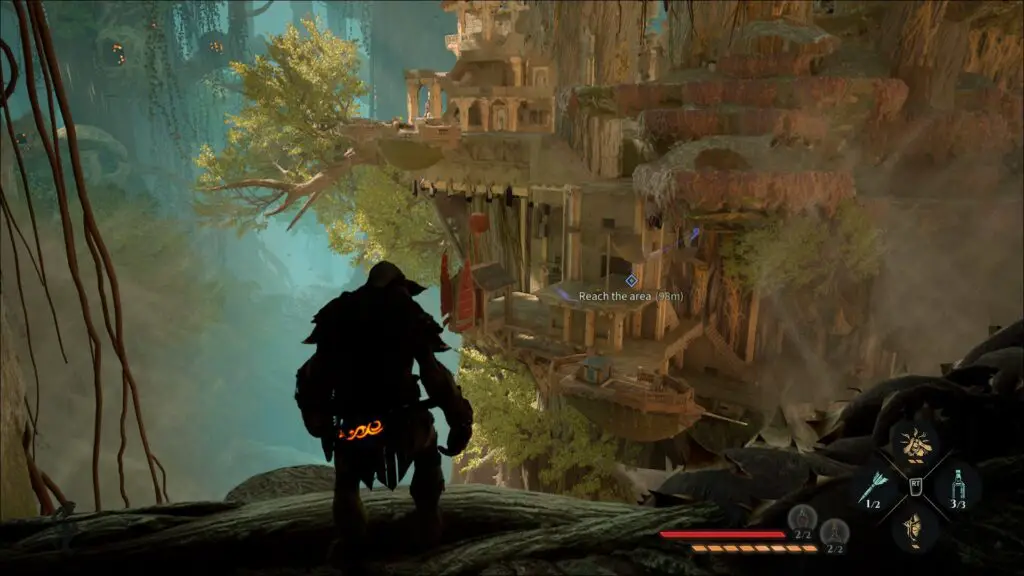
The Iserian Continent is rendered with impressive detail. Even on medium settings, the game is visually striking, showcasing the capabilities of modern rendering engines. The map design functions like a sprawling honeycomb, facilitating fluid movement and escape routes. Whether you are scaling a chimney, parkouring down a rope, or leaping through a window to circle back for a stealth kill, the movement feels expressive and responsive.
To help you navigate these territories, we have broken down the primary regions of the Iserian Continent below:
| Region | Environmental Characteristics | Key Challenges |
|---|---|---|
| The Wall | A multi-storeyed city built into the arches of a massive viaduct. | Extreme verticality and hidden paths. |
| Turquoise Dawn | A verdant, swamp-like expanse once inhabited by orcs. | Monolithic trees and towering strongholds. |
| Akenash | The ruins of the city destroyed in the original game. | Revisited ruins with fresh exploration opportunities. |
Mission Structure and Challenges
The core narrative involves the hunt for Quartz—powerful slabs of blue rock used by the Inquisitors for political ends. Cyanide Studio has ensured variety by adding unique puzzles and obstacles to every Quartz hunt. This turns each objective into a discrete stealth narrative, giving players more agency in how they approach missions.
The world is populated by diverse adversaries, from standard guards and heavy Inquisitors to more exotic threats. On the Iserian Continent, you will face:
- Giant Insects: Creatures with acute hearing that punish loud movement.
- Ferals: Dog-like creatures that explode upon proximity.
- Environmental Hazards: Pustulent green plants and swarms capable of devouring Styx quickly.
Technical Performance and Hardware Analysis
Testing the game on an RTX 3060 powered laptop (similar to the Acer Nitro series) provided a stable experience, though we noted some “hairy” moments. Interestingly, frame drops occurred more frequently in busy, bug-ridden interiors rather than the vast exterior vistas. This suggests a need for further optimization in indoor lighting and particle effects.
While we encountered minor technical quirks—such as unpickable keys or occasional quick-save failures—the overall GPU utilization was efficient. Styx: Blades of Greed delivers a high-quality stealth experience that lives up to the expectations of tech enthusiasts and hardcore gamers alike.
The Verdict
Cyanide Studio has successfully evolved Styx as a character, moving away from pure misanthropy to a more nuanced personality. By introducing a varied cast of fellow adventurers, the game achieves a tonal variety reminiscent of 1980s dark fantasy classics like The Dark Crystal. This is a compelling, expansive adventure that highlights how far digital storytelling and level design have come. For those seeking a deep, mechanically rewarding stealth title, Blades of Greed is a must-play.
For more in-depth reviews and the latest in digital innovation, stay tuned to Digital Tech Explorer. TechTalesLeo brings you the stories behind the tech, bridging the gap between complex software and everyday usability.