

The Steam Hardware Survey has long served as the definitive digital snapshot of the components powering the global gaming community. However, as any seasoned software engineer or tech enthusiast knows, even the most robust data sets require calibration. Recently, Valve acknowledged that its reporting mechanisms weren’t perfectly capturing the full story of our rigs, particularly regarding graphics card memory. For those of us at Digital Tech Explorer, this serves as a vital reminder that understanding hardware trends requires a blend of data and nuance.

Valve Addresses VRAM Reporting Discrepancies
In a move toward greater transparency, Valve recently addressed specific inaccuracies within the survey’s reporting of Video Random Access Memory (VRAM). According to the latest Steam Client Beta patch notes, certain graphics cards were not accurately relaying their memory capacity. To rectify this, the reporting logic has been updated: in systems utilizing multiple display adapters, the survey now prioritizes and reports the GPU with the highest VRAM. This adjustment ensures a more realistic representation of a machine’s actual gaming potential.
Decoding the Current Hardware Landscape
Despite these past reporting glitches, the most recent Steam Hardware & Software survey provides a compelling look at what is actually inside our cases. While high-end enthusiasts might be eyeing the power of AI-accelerated components or flagship cards like the RTX 5090, the data suggests that the majority of the market still thrives on mid-range specifications.
To make this data more accessible, we have compiled the key findings from the latest survey below:
| Component Category | Metric / Popular Choice | Market Share / Stat |
|---|---|---|
| Graphics Memory (VRAM) | 8 GB Configuration | 29.57% |
| System Memory (RAM) | 16 GB Configuration | 40.24% |
| Operating System | Windows 11 | 66.71% |
| Secondary OS | Windows 10 | 27.79% |
System RAM and the Impact of Emerging Tech
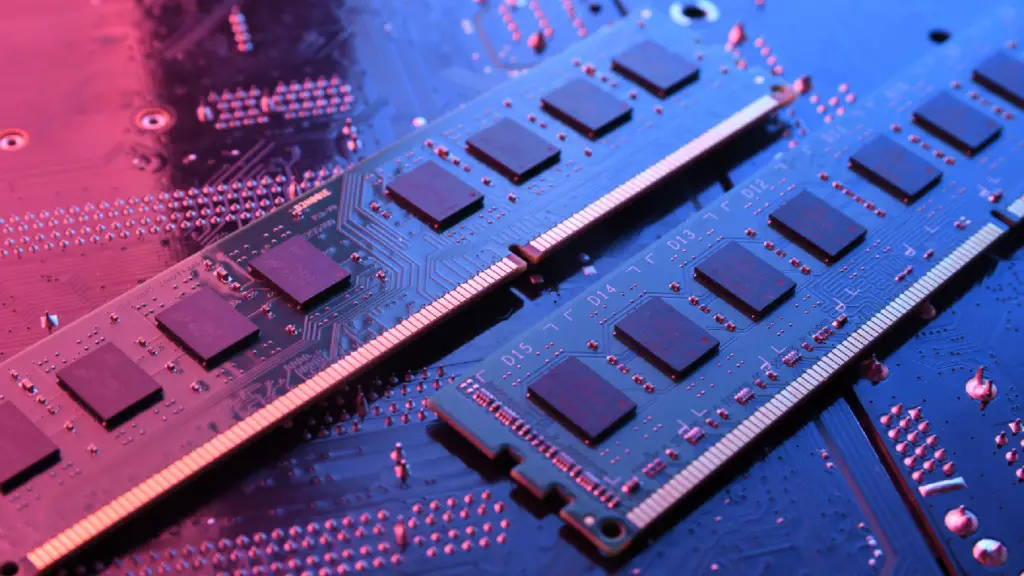
The survey indicates that 16 GB of system memory remains the “sweet spot” for gaming. While we’ve seen a minor decrease in this share compared to late last year, it remains the dominant choice for those playing PC games today. This stability is particularly interesting given the fluctuating costs in the memory market, often driven by the massive industry shift toward AI infrastructure and data center demands.
For the average user, 16 GB continues to be perfectly adequate, though power users and developers may find themselves eyeing 32 GB or more to stay ahead of evolving software requirements.
Operating System Trends: The Long Tail of Windows 10
In the realm of software, Windows 11 continues its steady climb, now holding a significant 66.71% lead among Steam users. However, the narrative around Windows 10 is far from over. Despite the OS approaching its end-of-life status for mainstream support this October, over a quarter of gamers are still “clinging on.”
While upgrading is the standard recommendation for maintaining robust security updates—especially for users outside regions with extended free support—the data proves that many gamers prefer the stability of their existing setups. It reinforces a core philosophy we hold at Digital Tech Explorer: high-quality 3D gaming and tech experiences aren’t solely reserved for those with the newest software or the most expensive hardware.
Ultimately, Valve’s corrections help us see the PC landscape more clearly. It’s a diverse ecosystem where older, capable hardware continues to provide exceptional value, proving that the latest trends are only one part of the larger tech story.