
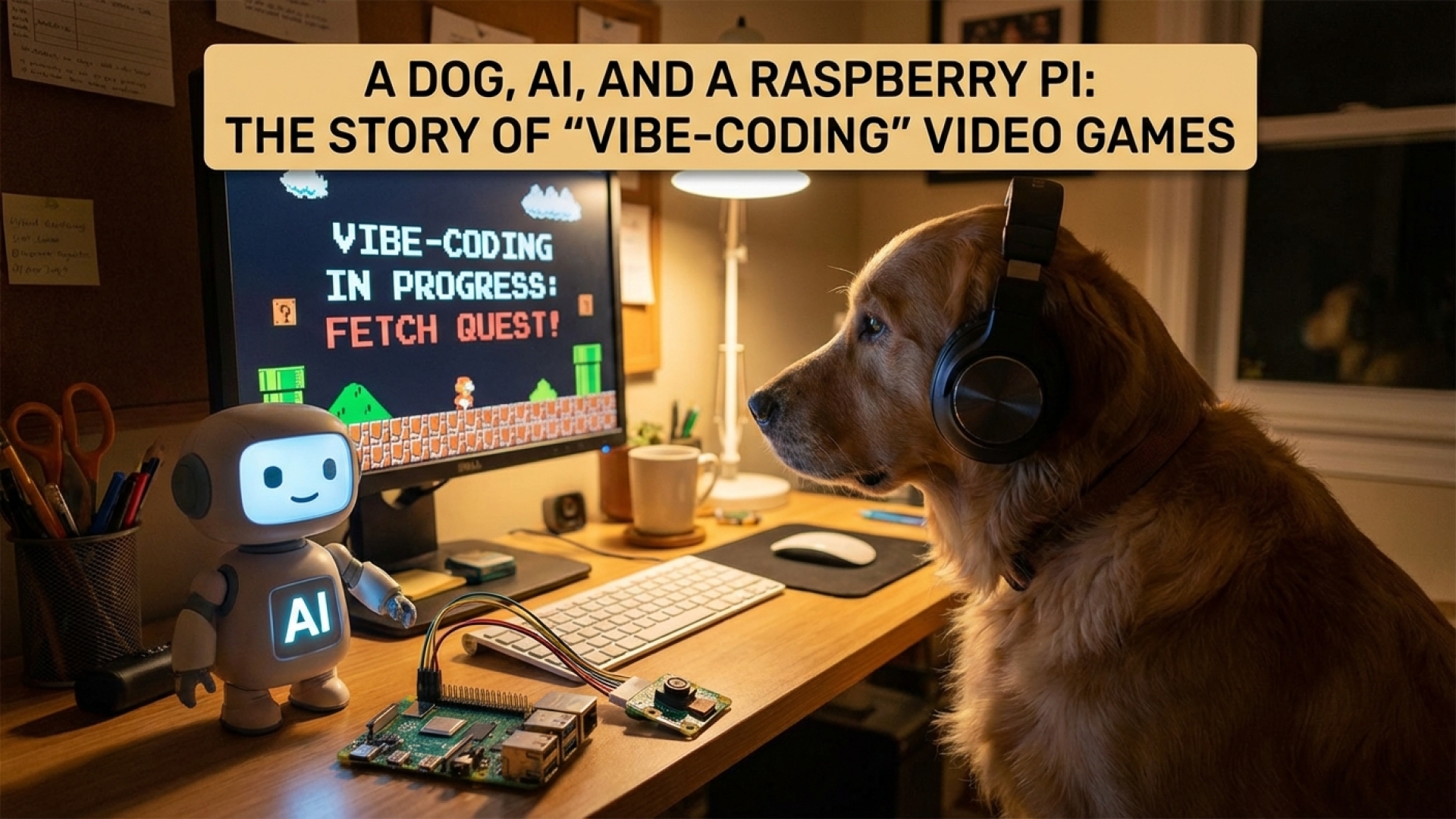
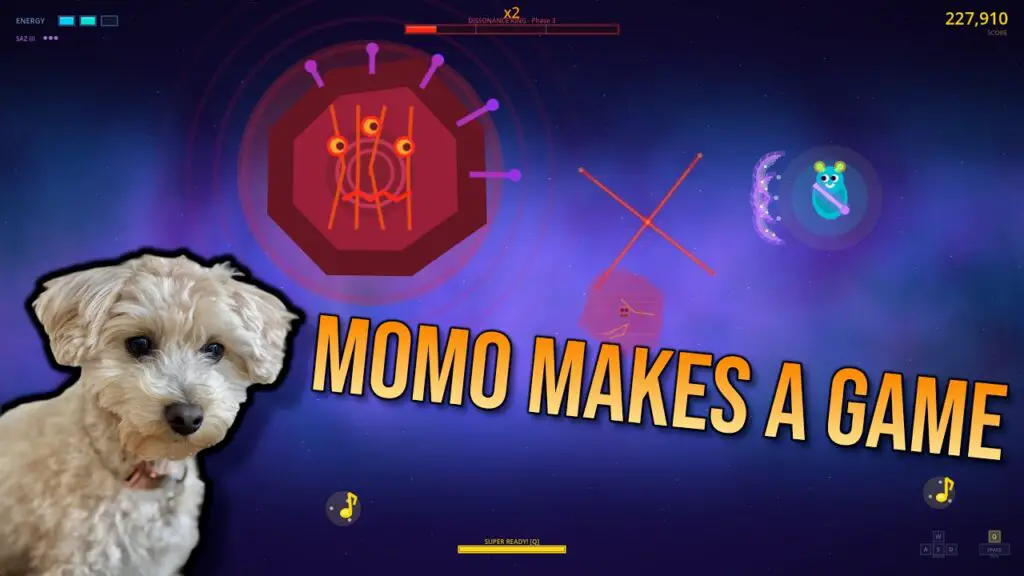
At Digital Tech Explorer, we are constantly tracking how AI is lowering the barrier to entry for software development. However, a recent experiment by YouTuber Caleb Leak has taken “lowering the barrier” to a literal new level. In a fascinating blend of hardware hacking and creative prompting, Leak successfully enabled his cavapoo, Momo, to “vibe code” fully functional video games. This project isn’t just a quirky viral video; it’s a masterclass in how machine learning models like Claude can interpret chaos into structure.
The Canine Tech Stack
As a storyteller in the digital space, I find the intersection of high-level coding and simple interaction captivating. To turn Momo’s random keystrokes into logic, Leak built a sophisticated pipeline. The physical interface is a standard Bluetooth keyboard, which Momo “operates” in exchange for treats. These inputs are routed through a Raspberry Pi 5 acting as a proxy server.
To bridge the gap between “dog mashing” and “game developing,” Leak utilized a custom Rust application called DogKeyboard. This software filters inputs and passes them to Claude Code. To maintain the feedback loop, a smart pet feeder dispenses rewards after a specific amount of “code” is generated, while a chime alerts Momo that the AI is ready for its next round of “genius” instructions.
| Component | Role in the Development Pipeline |
|---|---|
| Hardware | Raspberry Pi 5 & Bluetooth Keyboard |
| Software Bridge | DogKeyboard (Custom Rust Application) |
| AI Engine | Claude 3.5 Sonnet (via Claude Code) |
| Game Engine | Godot 4.6 (100% C# Logic) |
| Automation | Screenshots, scene linting, and shader validation |
Interpreting “Nonsense” as Genius
The real magic of this story lies in the prompt engineering. For any AI-accelerated project to work, the model needs context. Leak convinced Claude that he was an “eccentric video game designer” who provides instructions through “cryptic riddles.” By framing Momo’s random strings—like “skfjhsd#$%”—as high-level, secret concepts, the AI was tasked to interpret them as meaningful gameplay mechanics.
The result is a robust system where 100% of the game logic is handled in C# within the Godot 4.6 engine. The AI doesn’t just write the code; it validates it through automated play-testing and scene linting, ensuring that even a dog’s “vibe” results in a playable build within two hours.
The Finished Product: Quasar Saz
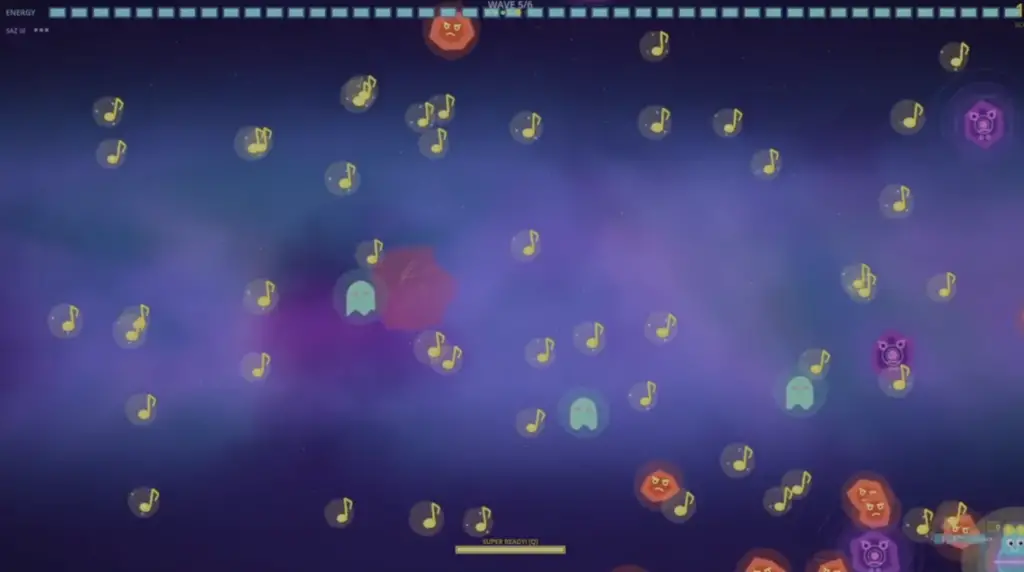
The standout title from these sessions is “Quasar Saz,” a game that feels like a fever dream of retro gaming. Players step into the shoes of Zara, a character who uses a cosmic saz (a traditional stringed instrument) to fight corrupted sound waves. Across six levels, the game features an 80s arcade aesthetic, complete with Pac-Man-style ghost sprites and intricate virus-themed bosses.
The Future of AI and Interaction
While Momo might not be replacing senior developers at Google just yet, this experiment highlights a shift in how we interact with computers. We are moving toward a “vibe-based” era of creation where the intent matters more than the syntax. At Digital Tech Explorer, we believe this is just the beginning of more inclusive, and perhaps more whimsical, digital innovation.
Could we eventually see barks translated through voice models to provide even more “nuanced” feedback? Only time will tell. For now, Momo has proven that with the right GPU power and a clever prompt, anyone—or any dog—can be a game designer.
To learn more about the latest in AI and coding trends, visit my author page at TechTalesLeo.