There is a unique allure to the sprawling isometric RPG that resonated deeply within the tech landscape of the former Soviet Union during the late ’90s and early 2000s. At Digital Tech Explorer, we often look back at how hardware constraints shaped software innovation. Back then, these titles were more than just entertainment; they were a gateway to the English language and a staple for users with modest PC hardware. Perhaps there is an indescribable affinity in the narodnaya dusha—the national soul—where the Forgotten Realms and Middle-earth echo ancestral byliny (oral epics) and the folklore of creatures haunting the white pines.
While I have long tracked the evolution of PC games across Eastern Europe, I primarily associated the region’s development scene with the ambitious, “janky” brilliance of GSC Game World and CD Projekt. However, a deep dive into digital history recently brought a forgotten gem to my attention: a series called Zlatogorye, or GoldenLand. As a storyteller who thrives on uncovering hidden tech narratives, I was determined to see how this 2001 title stood the test of time.
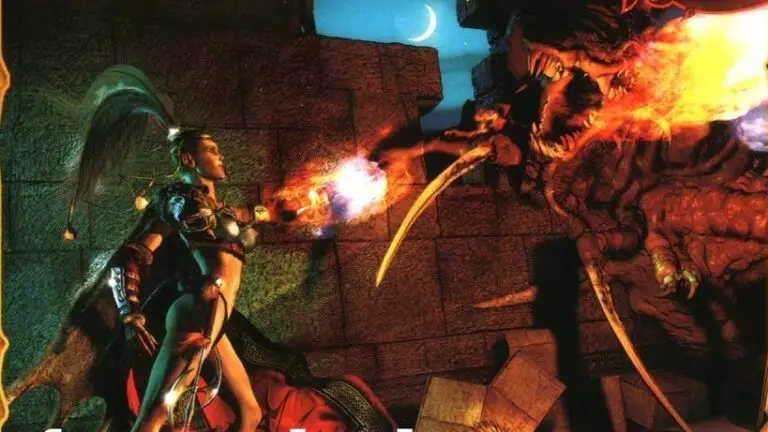
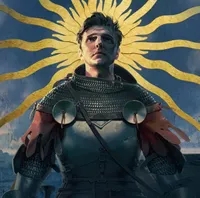
Zlatogorye (GoldenLand) original cover art featuring classic Slavic-inspired fantasy themes.
Stairway to Heathen: The Technical Legacy
Accessing GoldenLand 1 today is a journey through retro computing. While the 2001 release is absent from modern digital storefronts, it remains a fascinating study in early 2000s software distribution. Curiously, the game identifies itself in some metadata as Heath: The Unchosen Path. Despite this official English branding, the community remains loyal to the name GoldenLand, a direct translation of Zlatogorye (Golden Mountain).
For those interested in the technical profile of this vintage gaming experience, here is a snapshot of what GoldenLand brought to the table at the turn of the millennium:
Feature
Specification / Detail
Original Release Year
2001
Developer
Burut CT
Genre
Isometric CRPG
Engine
Proprietary 2D Isometric Engine
Core Influence
Fallout / Baldur’s Gate
Setting
Slavic Mythology / Old Rus
Table 1: Technical Overview of Zlatogorye (GoldenLand).
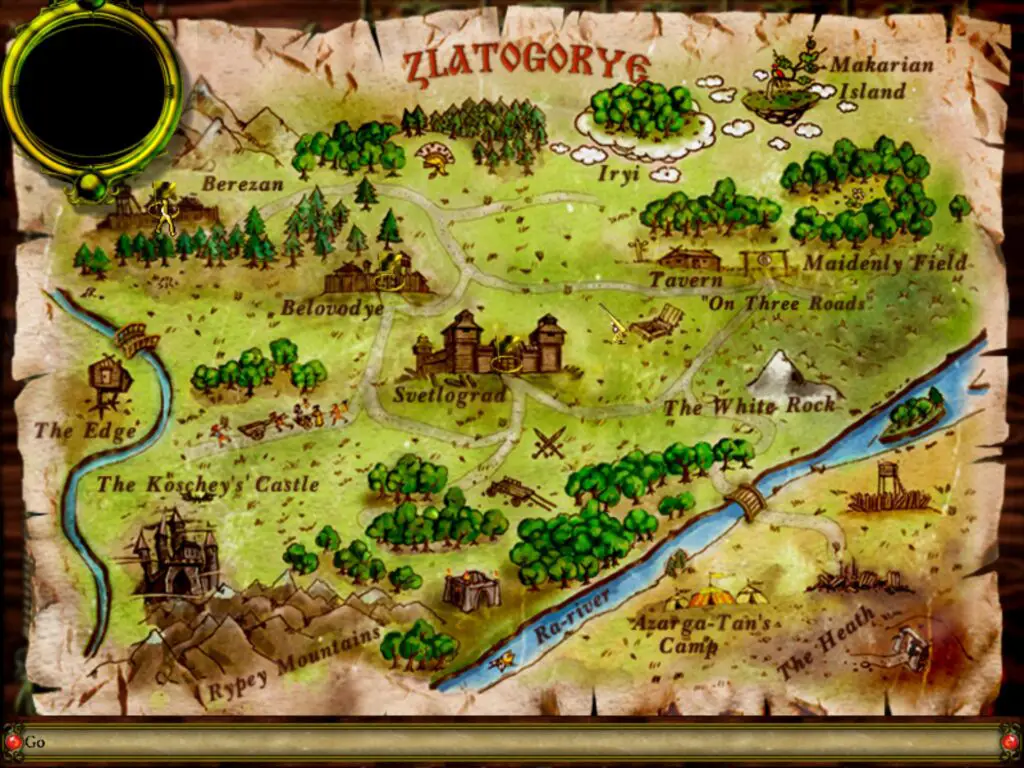
The expansive world map of Zlatogorye, showcasing the reach of Belobog’s influence.
Folklore Meets Functionality
The narrative begins with a classic trope: you are a fallen hero(ine) revived by divine intervention. Your village has been razed by the vygaks—the primary antagonists—serving the evil god Drah-Shu. You are brought back to serve Belobog, the “Good God,” in a struggle for the fate of the realm.
What sets GoldenLand apart is its rejection of Tolkien-esque clones. This is pure Old Rus. The game features heroes standing against a pseudo-Mongol invasion, evoking the legend of Alexander Nevsky. The theological approach is more Orthodox than high-fantasy; there is no sprawling pantheon, only the creator Belobog and his shadow Drah-Shu. Your first quest involves locating Gromoboy, a bogatyr—the Slavic equivalent of a knight-errant.
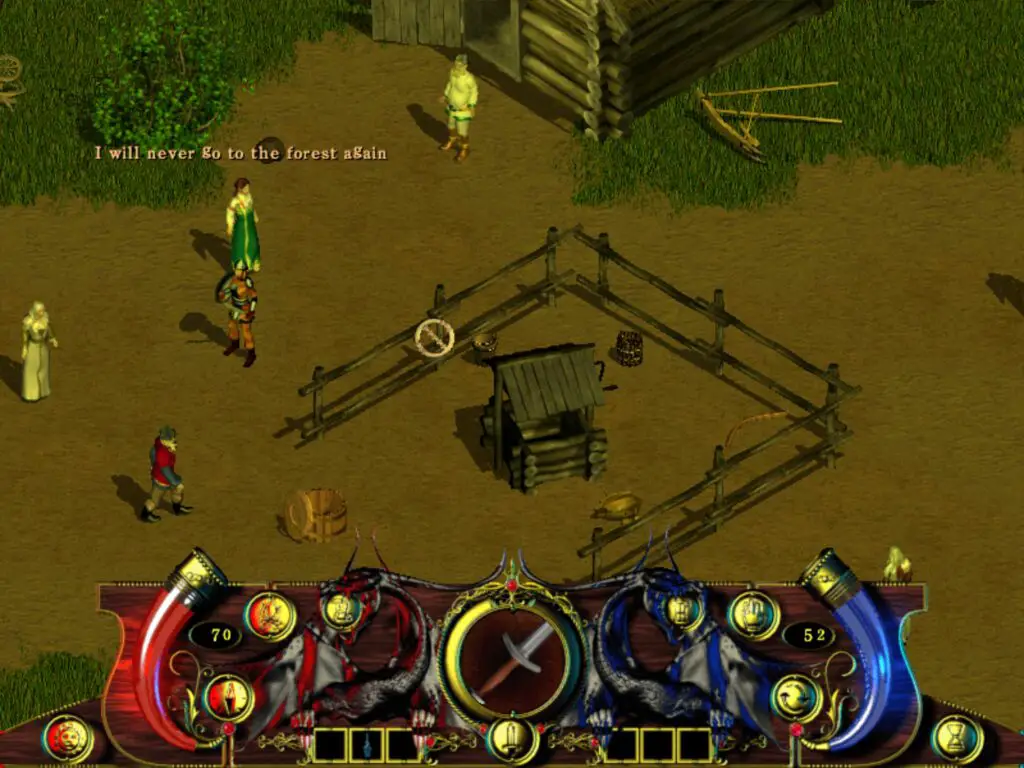
Exploring the atmospheric, hand-drawn villages of the GoldenLand.
Mechanically Crunchy Gameplay
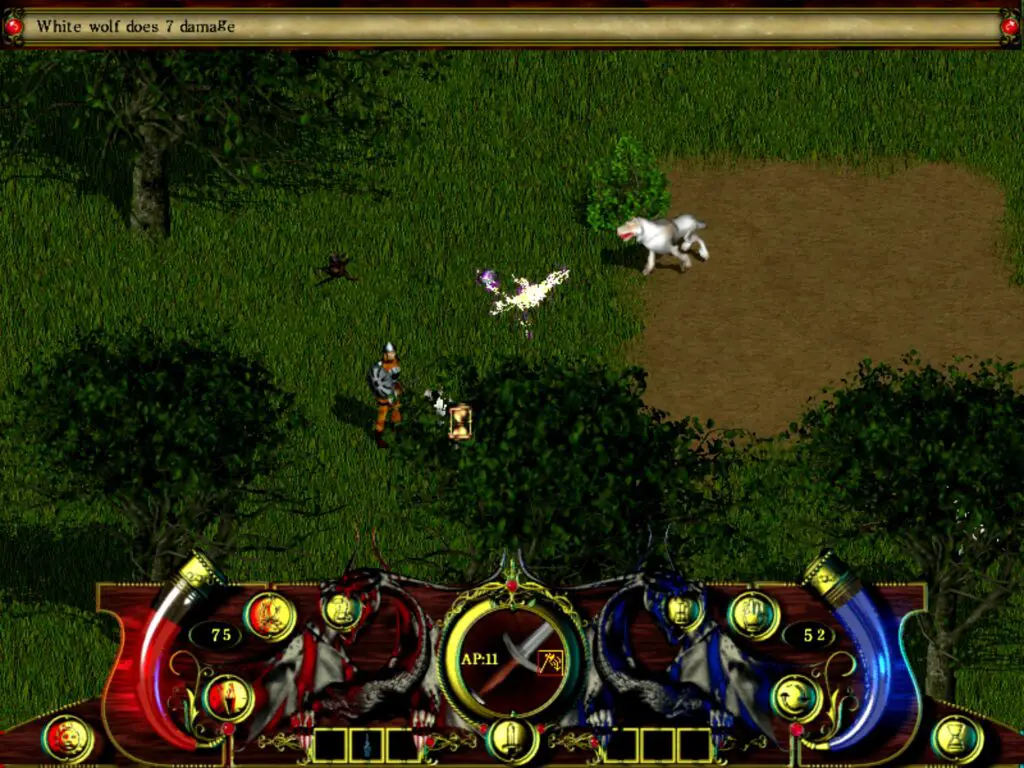
From a design perspective, GoldenLand is a love letter to the titans of the genre. Character creation mirrors Baldur’s Gate, offering classes like Fighter, Mage, and Ranger. However, the combat is pure Fallout. It is a tactical dance of Action Points (AP), where success depends on calculating movement and attacks to ensure enemies exhaust their turn just before reaching you.
Turn-based combat in action against local wildlife.
As you complete quests for local villagers, you earn experience points to unlock perks reminiscent of the classic S.P.E.C.I.A.L. system. While the animations may feel staccato and the English translation can be eccentric (referencing “Unchancy desksides” during creation), the underlying mechanics are robust.
At Digital Tech Explorer, we value transparency and real-world testing. Despite the “jank” and the lower production budget compared to Western counterparts, GoldenLand works because its narrative heart and mechanical soul are perfectly aligned. It represents a era of digital innovation where passion compensated for limited resources.
The world of CRPGs is richer when we explore these regional deviations. I hope to see more modern developers draw inspiration from these localized myths. Let a hundred GoldenLands bloom in the modern gaming market.
Continue your journey through tech history with our latest reviews and product analyses.