
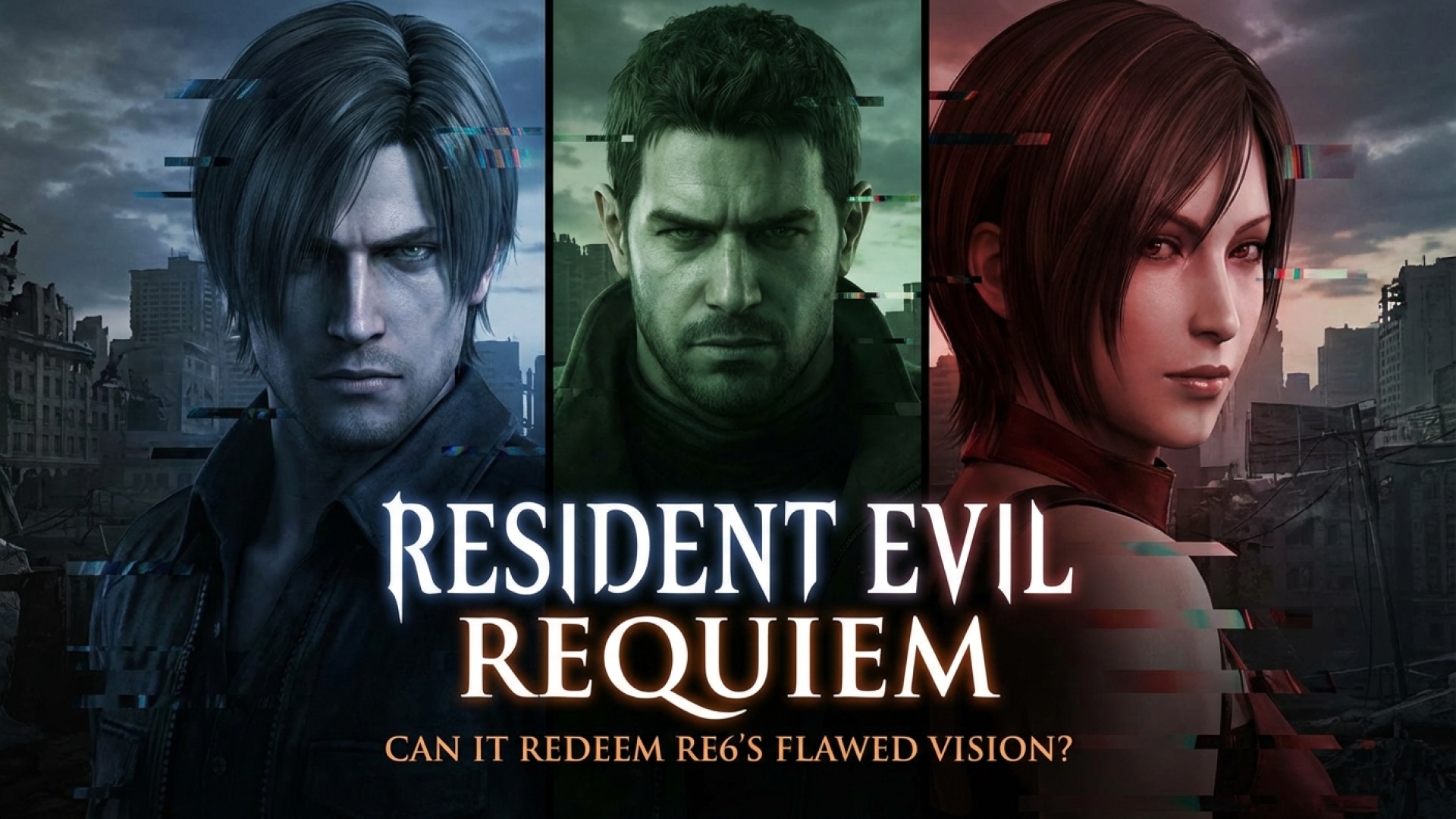
At Digital Tech Explorer, we love seeing a developer return to a bold, unfinished idea and finally get it right. It’s a pattern we’ve seen across the industry—just as Nintendo refined the airborne exploration of Skyward Sword into the masterpiece that is Tears of the Kingdom, Capcom is now revisiting the ambitious multi-protagonist structure for its next major release. Resident Evil Requiem promises a return to form, tasking players with navigating distinct horror styles through multiple leads. It is a tantalizing premise, especially since the last time the franchise leaned this heavily into a fragmented narrative was the polarizing, action-heavy Resident Evil 6.
While Resident Evil 6 was a technical marvel for its time, pushing the boundaries of ensemble casting and cinematic scale, it famously struggled to maintain its survival horror identity. As TechTalesLeo, I’ve often explored how digital innovation can sometimes outpace cohesive storytelling, and RE6 is the textbook definition of that struggle.

The Evolving Multi-Protagonist Concept in Resident Evil
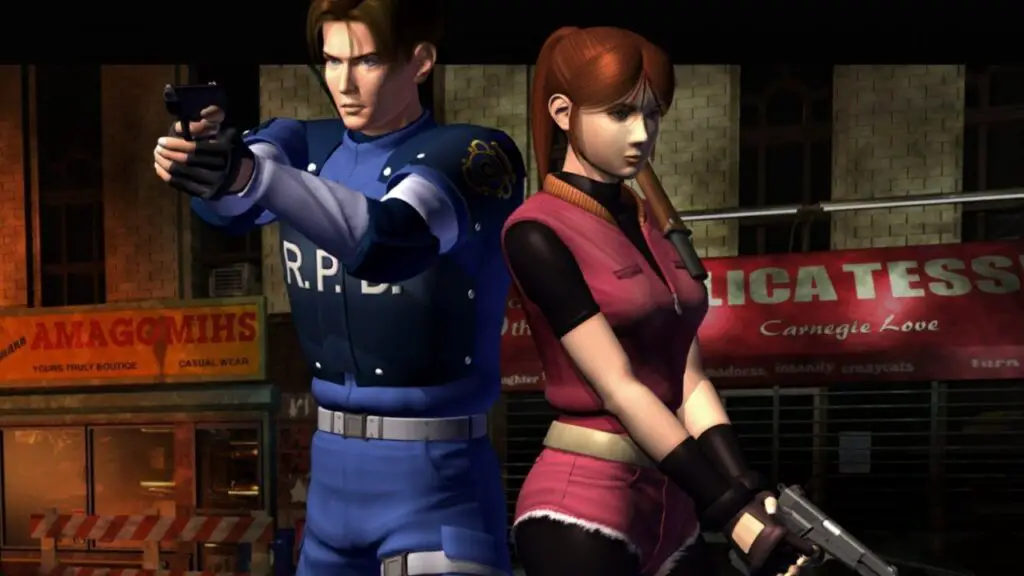
The core DNA of the Resident Evil series has always been rooted in choice. Since 1996, players have chosen between Jill Valentine and Chris Redfield, each offering unique tactical advantages—Jill’s lockpick and inventory space versus Chris’s durability. This concept evolved significantly with Resident Evil 2, where the “Zapping System” required players to complete both Claire and Leon’s journeys to unlock the true ending, even allowing actions in one campaign to impact the resources available in the next.
| Game Entry | Protagonist Structure | Horror Style Focus |
|---|---|---|
| Resident Evil (1996) | Dual Choice | Classic Survival Horror |
| Resident Evil 2 | Interwoven A/B Scenarios | Resource Management / Interconnected Narrative |
| Resident Evil 6 | Four Independent Campaigns | Action-Horror / Cinematic Spectacle |
| Resident Evil Requiem | Distinct Genre Shifts | Classic Horror vs. Modern Action |
Resident Evil 6 took this even further by attempting to cater to every subset of the fandom simultaneously. Jake Muller’s path was a persistent, high-speed chase; Chris Redfield’s mission leaned into the squad-based shooting mechanics seen in modern gaming hits; and Leon Kennedy’s arc was designed as an olive branch to traditional survival horror enthusiasts.
Resident Evil 6: A Lesson in Fragmented Execution
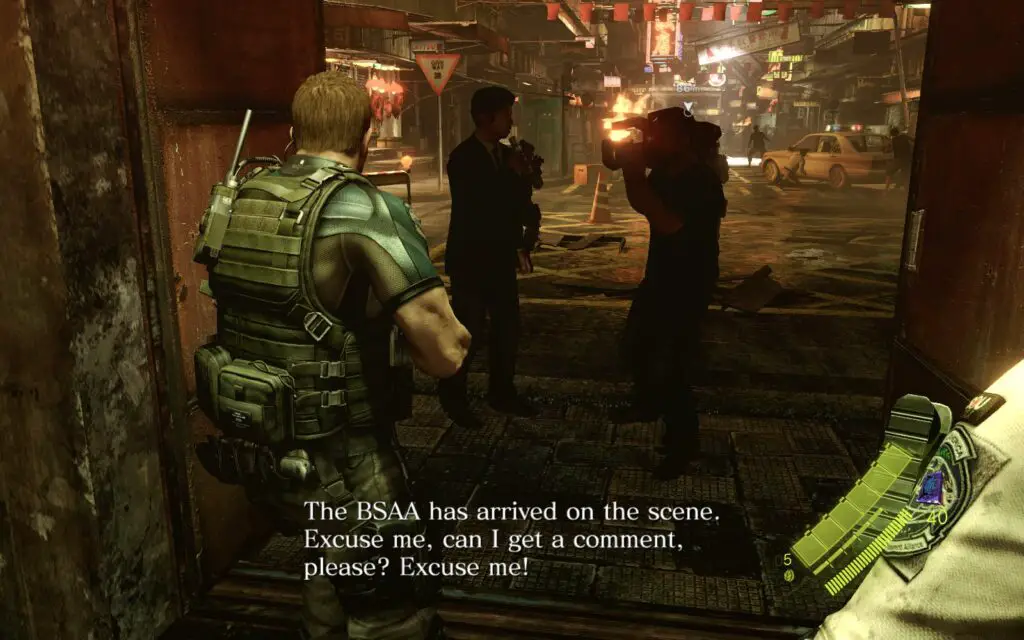
Despite its scale, the execution of RE6 was frequently criticized. Jake’s campaign felt detached from the franchise’s roots, over-relying on Quick-Time Events (QTEs) and explosive set-pieces that felt more like a Hollywood blockbuster than a horror game. The “run-toward-the-camera” sequences, while visually impressive, often resulted in more frustration than tension.
Chris Redfield’s campaign was perhaps the biggest departure. It transformed the iconic survivalist into a generic squad leader, drawing unfavorable comparisons to military shooters of that era. For a series built on isolation and dread, the ineffective squad AI and relentless gunfire felt out of place. Leon’s campaign was the standout, successfully remixing the atmosphere of Raccoon City, yet even his journey was bogged down by a lack of distinct gameplay variety between the different characters.
The Tech and Narrative Potential of Resident Evil Requiem
The unfulfilled promise of diverse gameplay in a single package remains one of the most compelling challenges in PC games development. We’ve seen flashes of brilliance in titles like Resident Evil Revelations 2, which showed how recycling locations with different character abilities can feel fresh rather than repetitive. This is exactly where Resident Evil Requiem aims to excel.
Capcom is leveraging the latest hardware capabilities to ensure that playing as the new protagonist, Grace, feels fundamentally different from playing as Leon. Director Koshi Nakanishi has noted that Grace’s segments will lean into the claustrophobic, psychological dread seen in Resident Evil 7 and the RE2 remake. Meanwhile, Leon’s missions will provide the refined, third-person action excellence fans expect after the success of the Resident Evil 4 remake.
As we prepare for the release this Friday the 27th, Digital Tech Explorer will be conducting real-world testing to see if the RE Engine can truly deliver two “completely different games” within a single title. With our focus on transparency and technical research, we’ll be looking at everything from frame rate stability in 4K to how the narrative branching affects replayability.
Stay tuned for our full, in-depth review of Resident Evil Requiem. Whether you are a series veteran or a newcomer interested in the latest in AI-driven enemy behavior and digital storytelling, we’ve got you covered.
— TechTalesLeo, for Digital Tech Explorer.