
At Digital Tech Explorer, we’ve tracked how generative AI has fundamentally shifted the tech landscape, from its massive environmental footprint to the soaring costs of RAM. Yet, as a storyteller in this space, I’ve noticed a more subtle, psychological shift: a growing “AI paranoia.” Today, when we encounter digital art or video online, our first instinct is often skepticism rather than appreciation.
This atmosphere of doubt has forced users to become hyper-vigilant filters of AI-generated content. The phenomenon is so widespread that communities like the “Is this AI?” subreddit have exploded in popularity. This skepticism is now impacting major software releases, specifically the highly anticipated Transport Fever 3. The developer, Urban Games, is currently reworking its assets after players mistook handcrafted work for machine-generated imagery.
The Uncanny Valley: When Handmade Looks Machine-Made
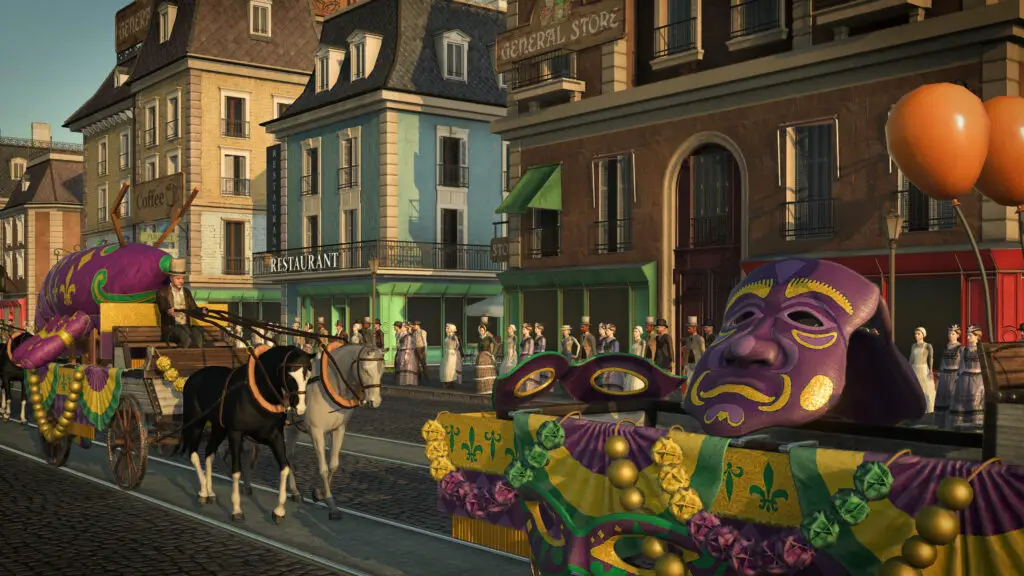
The campaign in Transport Fever 3 utilizes static character portraits to deliver missions and narrative beats. While these segments are fully voice-acted, early previews of characters—such as the mayor of New Orleans—triggered that familiar sense of unease. For many PC games enthusiasts, the aesthetic felt uncomfortably close to the “AI look.”
The portraits featured a high-gloss, unnervingly smooth finish. Even though they lacked the typical “tells” of AI art—such as anatomical errors or blurred textures—the overall lighting and shading resembled the default outputs of many popular generative models. This unintended similarity proved distracting enough to overshadow the actual gameplay experience.
| Feature | Urban Games Approach | Player Feedback |
|---|---|---|
| Asset Creation | 100% Handcrafted by human artists | Suspected AI generation |
| Visual Style | High-detail, smooth rendering | Uncanny or “too perfect” |
| Developer Response | Active rework of character art | Positive reception to transparency |
Urban Games Doubles Down on Authenticity
Nico Heini, publishing manager at Urban Games, was quick to clarify the studio’s stance. In a world where transparency is part of our mission at Digital Tech Explorer, it’s refreshing to hear such a direct confirmation: “We are a 100% handmade studio… everything is handcrafted by our artists.”
The studio realized the “AI-look” wasn’t just a niche complaint; beta testers specifically flagged that the models used in campaign dialogues looked artificial. Urban Games is now actively addressing this feedback to protect the integrity of their creative vision. “We don’t want any results of AI in our game at all,” Heini emphasized.
The problematic portraits are currently being redesigned. The goal is to replace them with art that retains high quality but feels distinctly human, removing any shadow of doubt regarding their origin.
The Human Element in Modern Game Development
As some industry giants pivot toward becoming “AI-first” companies, others are carving out a competitive advantage by leaning into traditional craftsmanship. For gaming communities, the value of human-made assets is clearly rising. Urban Games’ decision to rework their art isn’t just about aesthetics—it’s about maintaining a bond of trust with an audience that values authenticity over automation.
As I continue to cover these tech tales for Digital Tech Explorer, it remains clear that while AI provides powerful tools, the human touch is still the most sought-after feature in digital entertainment.