
The final chapter of a once-ambitious era has been written. The last remnants of Nvidia’s plan to acquire Arm have officially been cleared out. According to recent regulatory filings, the GPU giant has divested its remaining stake in the UK-based chip designer, selling off 1.1 million shares valued at approximately $140 million.
While the move took place late last year, the details have only recently surfaced due to mandatory regulatory disclosures. At Digital Tech Explorer, we closely monitor these shifts in the hardware landscape, as they often signal deeper strategic pivots within the industry. While the company has remained silent on the transaction, the narrative surrounding their relationship with Arm IP is more complex than a simple stock sale.
Uninterrupted Development: The Power of Licensing
For developers and tech enthusiasts worried about the future of Nvidia’s silicon, there is no cause for alarm. Equity ownership and architectural licensing are two very different beasts. Selling these shares does not hinder the company’s ability to develop or deploy CPUs based on Arm architecture.
In fact, innovation is accelerating. The company recently unveiled a sophisticated Arm-based CPU titled Vera. Unlike previous iterations that relied on off-the-shelf designs, Vera features a custom-designed core known as Olympus. This shift toward AI acceleration and in-house customization highlights their commitment to the architecture, regardless of their stock portfolio.
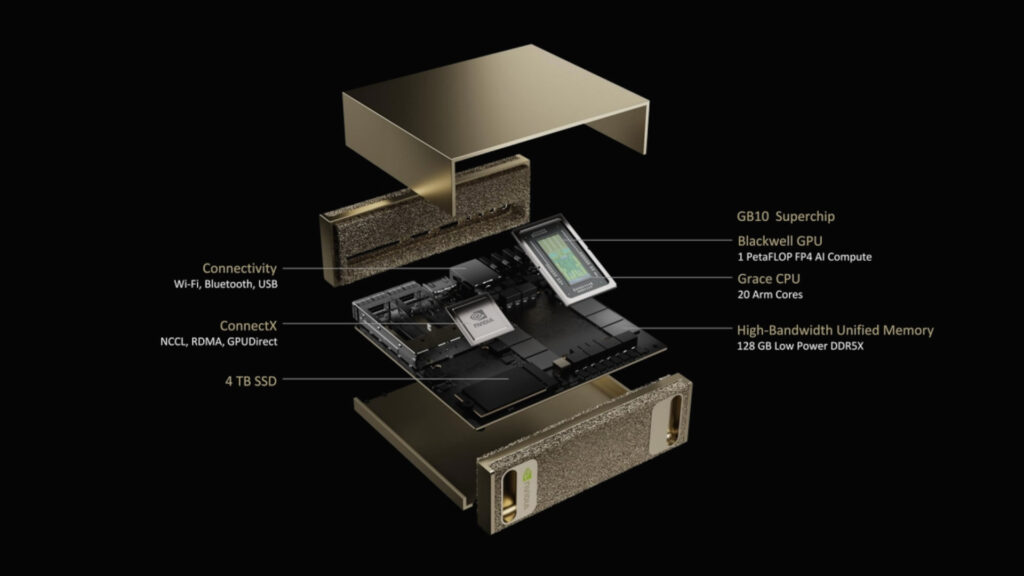
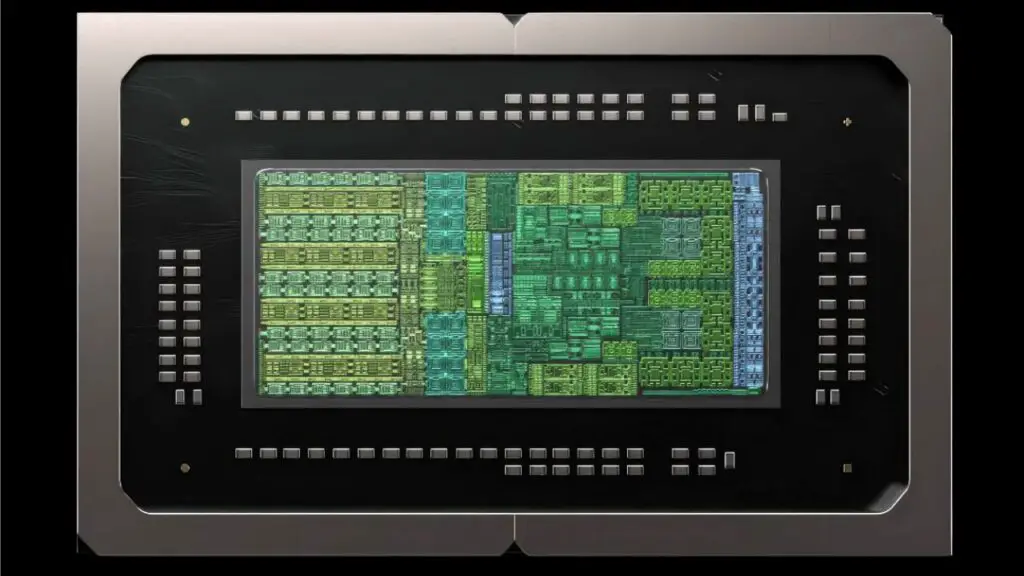
While Vera targets the high-stakes world of AI servers, the consumer market hasn’t been forgotten. The N1X, a CPU designed specifically for PCs, is currently in development. CEO Jensen Huang has suggested that the N1X shares DNA with the GB10 “superchip” found in the DGX Spark AI box, bridging the gap between enterprise power and desktop utility.
Deeply Rooted in the Arm Ecosystem
The GB10 utilizes standard Cortex A725 and X925 designs, but the Vera chip proves that the company holds the necessary licenses to modify Arm’s ISA (Instruction Set Architecture) for bespoke solutions. Essentially, they possess the keys to the kingdom; they simply no longer care to own the land it sits on.
A Strategic Exit or a Final Farewell?
The most intriguing aspect for any tech storyteller is the “why.” As the world’s most valuable company, with 2025 revenues exceeding $130 billion, a $140 million stock sale is effectively “couch change.” It raises the question: does the Green Team see a cooling of Arm’s market value, or is this a clean break from a failed romance?
The original 2020 plan to acquire Arm was met with fierce regulatory resistance, eventually leading to the deal’s termination in 2022. This final sell-off could be viewed as a dispassionate accounting cleanup or a definitive statement that the acquisition chapter is closed for good.
At Digital Tech Explorer, we believe this divestment actually signals a new era of independence. By distancing themselves from Arm as an owner while doubling down as a licensee, they can innovate across GPU and CPU boundaries without the baggage of corporate consolidation. For the developer community, the focus remains on the silicon itself—and by all accounts, the upcoming Arm-based hardware looks more promising than ever.
Stay tuned to Digital Tech Explorer as we continue to track the evolution of new releases and the shifting tides of global tech giants.